
The Ultimate Grand Cayman Travel Guide (2026): Best Things to Do, Where to Stay, and Top Itinerary Tips
If you’re dreaming of turquoise waters, white-sand beaches, and vibrant marine life, it’s time to put Grand Cayman Island at the top of your travel bucket list.
Few destinations in the Caribbean offer the blend of natural beauty, world-class dining, and relaxed island life that Grand Cayman delivers so consistently. The largest of the three Cayman Islands, it has earned a global reputation for its extraordinary diving, its iconic Stingray City, and seven miles of powdery white sand that rank among the finest beaches anywhere in the Atlantic.
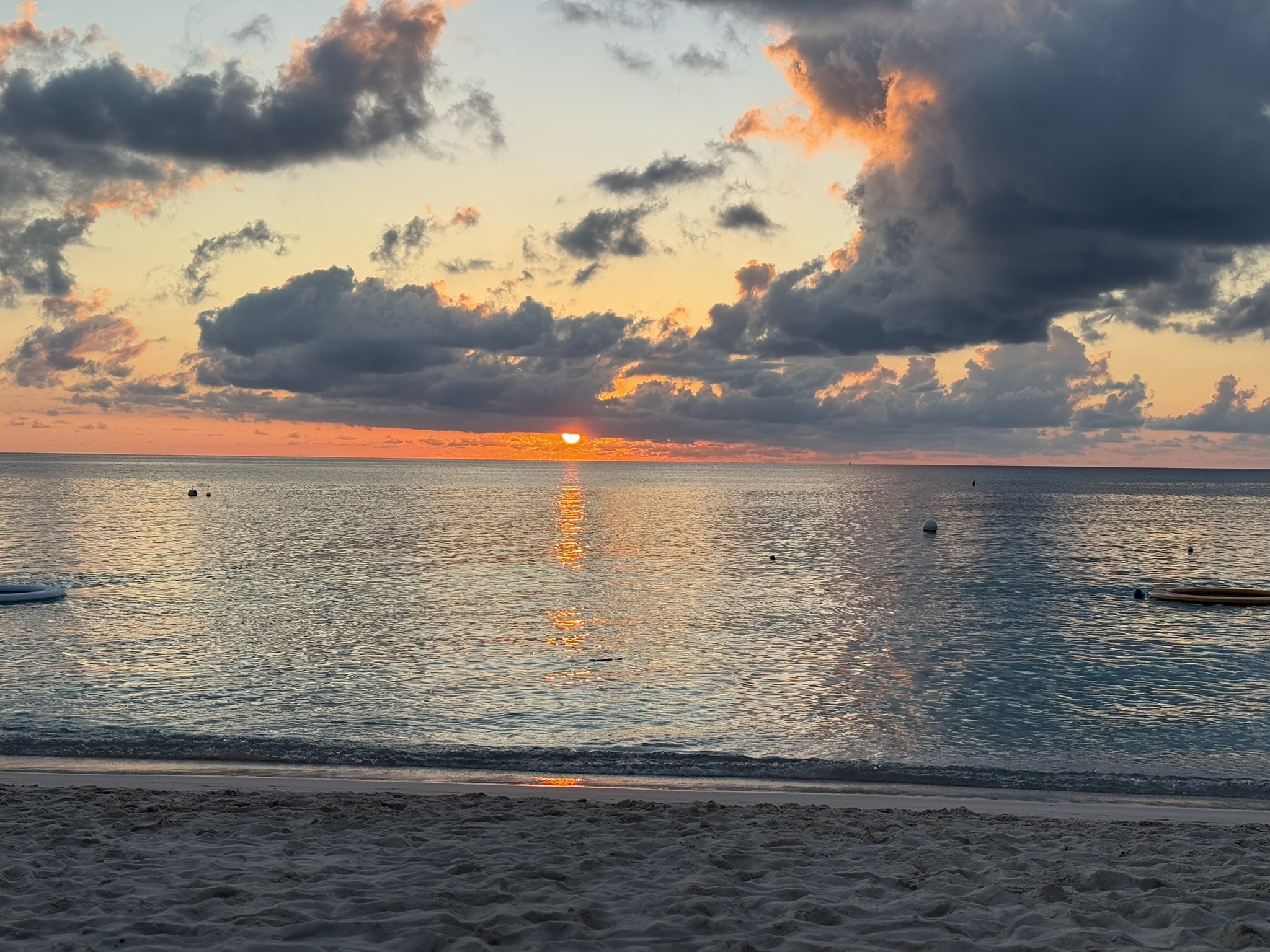
After our last trip to Grand Cayman, we’ve created this comprehensive guide for you. We took our experiences to create this guide where you’ll discover the best things to do in Grand Cayman, where to eat, what to see, and how to plan the perfect Grand Cayman itinerary. Whether you’re visiting for a romantic getaway, family vacation, or solo adventure, this guide has you covered.
Wandering Everywhere contains affiliate links and is a member of Amazon Services LLC Associates Program. If you make a purchase using one of our links, we may receive compensation from the company at no additional cost to you. Read our disclaimer here.

🏝️Best Time to Visit Grand Cayman
Peak Season (November – April):
This is the most popular window, and for good reason. Skies are reliably sunny, humidity is low, and the northeast trade winds keep temperatures comfortable. Expect hotel rates to be highest and popular attractions like Stingray City to be busy. Book accommodation and tours well in advance if you are travelling between December and March.
Shoulder Season (May and October):
Increasingly popular with savvy travelers, May and October offer warm, largely dry weather with noticeably fewer crowds and meaningfully lower hotel rates. May and October sit just outside peak hurricane risk and before the worst of sargassum season (May) or after it begins to ease (October). These are arguably the best months for a value-conscious trip.
Off Season (June – September):
Hotter, more humid, and falling within hurricane season (which technically runs June through November, though direct hits on Grand Cayman are rare). Hotel rates drop considerably and the island is far quieter. The main drawback for beach lovers traveling in summer is sargassum. 2025 saw a record-breaking season on the East End. West-side beaches, particularly Seven Mile Beach, are far less affected and remain swimmable throughout.

✈️How to Get to Grand Cayman Island
Fly into Owen Roberts International Airport (GCM), located just outside George Town. Direct flights arrive from Miami, Charlotte, Atlanta, New York, and other major U.S. cities.
Getting Around the Island:
- Rental Car: Best for exploring beyond Seven Mile Beach. Drive on the left side!
- Public Buses: Affordable and efficient for short distances.
- Taxis & Shuttles: Easy to find near resorts and the airport.
🛏️Where to Stay in Grand Cayman: Best Hotels by Area
Grand Cayman’s accommodation options range from ultra-luxury beachfront resorts to budget-friendly suites and private villas. Your choice of area shapes the character of your trip significantly.
Seven Mile Beach – Best for Couples & First-Time Visitors
- 🏨 The Ritz-Carlton, Grand Cayman – The island’s premier luxury property, with impeccable service, a full spa, and direct beach access. This is where we stayed on our most recent trip and the level of relaxation is genuinely hard to fault. This is where we stayed the most recent time we went to the Grand Cayman, it was incredibly relaxing!
- 🏖️ Kimpton Seafire Resort + Spa – Modern, design-led, and beachfront. A strong choice for style-conscious travelers who want atmosphere alongside comfort.
- 🌴 Palm Heights – A boutique, retro-inspired property with a devoted following. Less formal than the Ritz but with serious personality and a great pool scene.
East End & North Side – Secluded & Scenic
Quieter, more remote, and home to some of Grand Cayman’s most beautiful natural scenery. A good fit for couples seeking privacy or families who want space away from the busier west coast. Be aware of sargassum impact on East End beaches during summer months.
- 👨👩👧👦 Wyndham Reef Resort – A well-regarded family-friendly option with a relaxed atmosphere and direct beach access on the East End.
- 🌊 Ocean Paradise Villas – Private, spacious, and ideal for longer stays or groups. Self-catering option that suits those who want independence.
George Town & West Bay – Budget-Friendly & Central
Convenient, affordable, and well-connected. George Town is the island’s commercial and cultural hub which is a good base for those who want easy access to the airport, duty-free shopping, and the broader island without paying Seven Mile Beach resort prices.
- 💸 Sunshine Suites Resort – Consistently well-reviewed for value. Clean, comfortable, and a short drive from the beach.
- 🏙️ The Locale Hotel Grand Cayman – Trendy and central, with a younger, design-forward vibe.

🌊Best Things to Do in Grand Cayman (2026)
Grand Cayman rewards travelers who look beyond the beach, although the beach alone is worth the trip. Below are the island’s essential experiences, from iconic bucket-list moments to lesser-known gems that most visitors miss.
1. Swim with Stingrays at Stingray City
The undisputed highlight of any Grand Cayman trip. Stingray City is a series of shallow sandbars in the North Sound where southern stingrays gather. The stingrays were originally attracted by fishermen cleaning their catch here decades ago. Today it is one of the Caribbean’s most extraordinary wildlife encounters: dozens of large, gentle rays gliding around your legs in waist-deep turquoise water. Book a morning tour to beat the crowds, especially during peak season. Most operators combine it with a stop at Coral Garden for snorkeling.
2. Snorkeling & Scuba Diving
With over 365 named dive sites, Grand Cayman is one of the world’s great diving destinations. The island is surrounded by the Cayman Wall, which is a barrier reef that drops to extraordinary depths just offshore, teeming with coral, fish, sharks, turtles, and rays. Top sites include:
- Kittiwake Shipwreck : An ex-US Navy submarine rescue ship deliberately sunk in 2011. Excellent for both divers and snorkelers.
- Eden Rock & Devil’s Grotto : Dramatic cavern and tunnel diving, accessible directly from George Town harbor.
- Smith Cove : A calm, shallow cove ideal for beginner snorkelers and families, free to access from the beach.
- Cemetery Beach : Quiet, uncrowded, and directly accessible from shore. One of the best shore snorkel sites on the island.
3. Relax at Seven Mile Beach
Consistently ranked among the finest beaches in the Caribbean, Seven Mile Beach (technically closer to 5.5 miles, but who’s measuring) offers powdery white sand, remarkably calm surf, and clear water that shifts from pale turquoise to deep blue as you wade in. Rent a lounger, grab a cocktail at one of the beachfront bars. Stay for the sunset, they are genuinely spectacular from the west coast.

4. Explore George Town
Grand Cayman’s compact capital is more rewarding than its reputation as a cruise ship port suggests. The Cayman Islands National Museum occupies the island’s oldest building and offers a genuinely engaging look at Caymanian history and natural heritage. Camana Bay, a planned waterfront town adjacent to Seven Mile Beach, is worth an evening visit for its restaurants, live music, and vibrant farmers market (held Wednesday and Saturday mornings).
5. Bioluminescent Bay Night Tour
Grand Cayman is one of only a handful of locations in the world with a bioluminescent bay which is a body of water filled with naturally occurring glowing plankton (dinoflagellates) that light up bright blue-green when disturbed by movement. Snorkeling here at night is extraordinary. Tours typically combine the Bio Bay with stops at Starfish Point and Stingray City. Book in advance –> this consistently sells out, especially in peak season.
6. Visit the Queen Elizabeth II Botanical Park
Walk through peaceful trails, admire exotic orchids, and spot the rare Blue Iguana.

7. Starfish Point
A shallow, calm stretch of water on the island’s north shore where bright red cushion sea stars are visible in the sandy shallows, one of the most photogenic spots on the island. Accessible by boat (most Bio Bay tours include it) or by car with a short walk. Best visited in the morning when the water is clearest.
8. Hidden Gems Worth Seeking Out
🏴☠️ Bodden Town Pirates Caves – Historic tunnels in one of the island’s first settlements, where pirates are said to have stored plundered treasure. Affordable, self-guided, and genuinely atmospheric.
🌿 Barker’s National Park – Grand Cayman’s first national park. Undeveloped, remote, and beautiful. Dense mangroves, lagoons, and deserted beach stretches. Be aware that there are no facilities here.
🌊 The Blowholes (East End) -The ocean surges through cracks in the rocky shoreline to shoot water 15+ feet into the air. A dramatic, completely free natural spectacle.
🍺 Cayman Islands Brewery (Caybrew) – Founded in 2007 and the island’s largest craft brewery. Tours, a tap room, and a gift shop. A low-key afternoon option away from the beach.
🥃 Cayman Spirits Co. Distillery – The only distillery on the island and home to the world’s only rum matured underwater: Seven Fathoms Rum. Tours and tastings available.
🐴 Horseback Riding on the Beach – Several operators offer guided rides along deserted stretches of coastline. A genuinely memorable alternative activity.
📆 5-Day Grand Cayman Itinerary
This itinerary is designed for a first-time visitor staying on or near Seven Mile Beach. It balances iconic experiences with downtime and includes enough flexibility to adjust based on your pace and interests.
Day 1: Arrive, Settle In, Seven Mile Beach at Sunset
Check in, get your bearings, and keep the first evening simple. Take a late afternoon stroll along Seven Mile Beach. The walk from the Ritz-Carlton end to the public beach at Cemetery Road and back takes about an hour and gives you a feel for the whole stretch. Dinner at Coccoloba (tacos, ocean views, relaxed vibe) or Calico Jack’s on the beach. Watch the sunset from the water or a beachfront bar.
Day 2: Stingray City + Snorkeling + Rum Point
Book a morning combo boat tour: Stingray City, Coral Garden snorkel, and Starfish Point. Back on shore by early afternoon. Drive or take a taxi to Rum Point on the north shore and enjoy a calm, shallow beach with a laid-back bar serving the island’s famous Mudslide cocktails. Dinner at Kaibo Beach Bar & Grill, which sits right on the water near Rum Point.
Day 3: George Town + Camana Bay + Bioluminescent Bay Night Tour
Morning at leisure, or a shore snorkel at Smith Cove (free, excellent). After lunch, explore George Town: the National Museum, duty-free shopping, and the public art along the waterfront. Late afternoon: coffee or a drink at Camana Bay. In the evening do the Bioluminescent Bay Night Snorkel.
Day 4: Queen Elizabeth II Botanic Park + East End Drive + Blowholes
Rent a car and head east. Morning at the Queen Elizabeth II Botanic Park: peaceful nature trails, blue iguanas, and orchid gardens. Continue east along the south coast to the Blowholes. Stop at the Wreck of the Ten Sail monument in East End. Lunch at Tukka Restaurant (East End favourite, excellent seafood). Return via the north coast with a stop at Starfish Point if you missed it on Day 2. Alternatively, stop at the Crystal Caves if you have not yet visited.
Day 5: Relaxed Morning, Catamaran Sunset Cruise, Farewell Dinner
Spend your final morning relaxing on the beach. In the afternoon book a catamaran sunset cruise, most depart from the Seven Mile Beach area and include snorkeling, drinks, and a spectacular West Bay sunset. Farewell dinner at Casa 43 (fresh seafood with a Mexican twist, consistently excellent) or Blue by Eric Ripert if you want to go all-out for your last night.
🍽️ Where to Eat in Grand Cayman: Top Restaurants for 2026
Grand Cayman punches well above its weight culinarily. It has been dubbed the Culinary Capital of the Caribbean, and the island’s restaurant scene backs that up. These are the standouts across different categories.
Fine Dinning
- Blue by Eric Ripert(The Ritz-Carlton) – The island’s most celebrated restaurant. Award-winning contemporary seafood from one of the world’s most respected chefs. Reservations essential.
- The Brasserie – Farm-to-table Caribbean cuisine in a relaxed but polished setting. Excellent use of local produce and fish. A favorite among locals and repeat visitors alike.
Beachfront and Casual
- Coccoloba – Tacos, tequila, and ocean views at Seven Mile Beach. Reliably good food in a buzzy, social atmosphere. Great for a first-night dinner.
- Calico Jack’s – Laid-back beach bar on Seven Mile Beach. Ice-cold Caybrew, grilled food, and feet in the sand. Exactly what you want from a Caribbean beach lunch.
Local Favorites
- Heritage Kitchen -A beloved local institution tucked away in Heritage Square. Fish soup, coconut mahi mahi, and proper Caymanian home cooking. Eat on the sea wall if you can.
- Casa 43 – Mexican-inspired dishes made with fresh local seafood. Reliably good, well-priced, and popular with islanders and visitors alike. Strong choice for a farewell dinner.
Hidden Culinary Gems
- Bodden Town roadside BBQ spots – The best jerk chicken on the island is not in a restaurant. Look for roadside setups in Bodden Town and East End. Tis BBQ is smoky, flavor-packed, and authentic.
- Lighthouse Point (below Lighthouse Point Hotel) – An under-the-radar gem with a local twist on everything from fish burgers to vegan curry and the island’s most unexpected pumpkin fritters. Spectacular views included.
✈️ Practical Travel Tips for Grand Cayman
- Rent a car. You don’t need one for a Seven Mile Beach-only stay, but a rental unlocks the entire island including; East End, Rum Point, Bodden Town, and the Crystal Caves are all worth the drive. Remember to drive on the left.
- No Uber or Lyft. Use the Flex app (Grand Cayman’s local ride-share service) or pre-arranged taxis.
- No visa required for US citizens for stays under 30 days, but a valid passport and a return ticket are both mandatory at entry.
- Currency: Cayman Islands Dollar (KYD); USD accepted – use the XE Converter to check rates
- Language: English
- Safety: Very safe, but always use common sense
- Water: Tap water is safe to drink
- Wi-Fi: Widely available
- Tipping: 15–20% is standard
- If traveling in spring, check dates for Carnival Batabano, Grand Cayman’s national carnival, a vibrant celebration rooted in Caribbean cultural history.
🤔 Frequently Asked Questions (FAQs)
Is Grand Cayman worth visiting?
Absolutely. Grand Cayman consistently delivers on its reputation. The beaches are exceptional, the water is extraordinary, the food scene is world-class for an island of its size, and it is one of the safest destinations in the Caribbean. It sits at the premium end of the Caribbean pricing spectrum, but the quality of experience justifies it for most travelers.
What is Grand Cayman best known for?
Stingray City, Seven Mile Beach, and some of the finest scuba diving and snorkeling in the world. Beyond the water, the island has earned a strong reputation for its restaurant scene and is frequently cited as the Culinary Capital of the Caribbean
How many days do you need in Grand Cayman?
Four to six days is the sweet spot for most visitors. Four days allows you to cover the main highlights; five or six days gives you room to explore the East End, visit the Crystal Caves, and properly decompress. A week or more suits divers who want to get through a serious portion of the island’s 365+ dive sites.
Do I need a passport to go to Grand Cayman?
Yes, U.S. citizens need a valid passport. No visa is required for stays under 30 days.
Do you need a car in Grand Cayman?
Not strictly necessary if you are staying at a Seven Mile Beach resort and plan to stay close to that area. However, a rental car is strongly recommended if you want to explore Rum Point, the East End, George Town, the Botanic Park, or the Crystal Caves. Rental cars drive on the left. If you have not driven on the left before, it is worth factoring in a short acclimatization period.
Is Grand Cayman good for families?
Very much so. The island is consistently safe, the beaches are calm and shallow in places (Rum Point and Starfish Point are ideal for young children), and family-specific activities such as the Turtle Conservation Centre, Stingray City, and the Crystal Caves, are all excellent. Wyndham Reef and the Kimpton Seafire cater particularly well to family groups.
🌺Wrapping Things Up: Why This Grand Cayman Travel Guide Has You Covered
Grand Cayman occupies a distinctive position in the Caribbean. It is not the cheapest destination, but it is one of the most consistently rewarding. The beach is genuinely world-class. The diving and snorkeling are among the best in the Atlantic. The food scene would hold its own in a major city. And the island is safe, well-run, and easy to navigate. The Grand Cayman offers the kind of tropical escape you’ll talk about for years.

We hope you use this guide to plan your dream trip! Finally, don’t forget to check out our companion post for a more personal look at our favorite hidden spots:
👉 Our Favorite Activities in Grand Cayman: A Personal Island Escape
