
Maui vs. The Big Island: Which Hawaiian Island Is Better for Your 2026 Trip?
Are you trying to decide between visiting Maui or The Big Island? You’ve come to the right place.
Both of these islands are part of the Hawaiian Archipelago, which is a 1,500 miles long and makes up the United State’s 50th State of Hawai’i. Of this archipelago, 8 of the islands are inhabited. Maui and the Big Island (also known as Hawai’i) are the second and third most visited islands behind O’ahu.
Wandering Everywhere contains affiliate links and is a member of Amazon Services LLC Associates Program. If you make a purchase using one of our links, we may receive compensation from the company at no additional cost to you. Read our disclaimer here.
Maui vs. The Big Island (Hawai’i): Which Island Is Better?
Choosing between these two islands isn’t always easy, and there’s really no single “correct” option. The best pick for you will come down to factors like how much you want to spend and the types of activities you enjoy.
Although Maui and the Big Island share some similarities, they are also quite distinct from one another, and each offers its own unique attractions. After visiting Hawaiʻi, I gained a firsthand understanding of what it’s like to plan a trip, experience the local weather and culture, and explore the different activities each island has to offer. Combined with careful research, that personal experience helps me give a clear and balanced comparison between the two islands so you can feel confident you’re getting honest, useful information.
In this guide, we will explore how the two islands compare in terms of cost, weather, and activities, so you can decide which one is the better choice for your next trip. My goal is to provide trustworthy, well-rounded insights that highlight both the strengths and differences of Maui and the Big Island.
Maui vs. The Big Island: Quick Comparison
| Category | Maui | The Big Island |
| Overall Vibe | Polished, romantic, postcard-perfect | Wild, spacious, diverse, adventure-heavy |
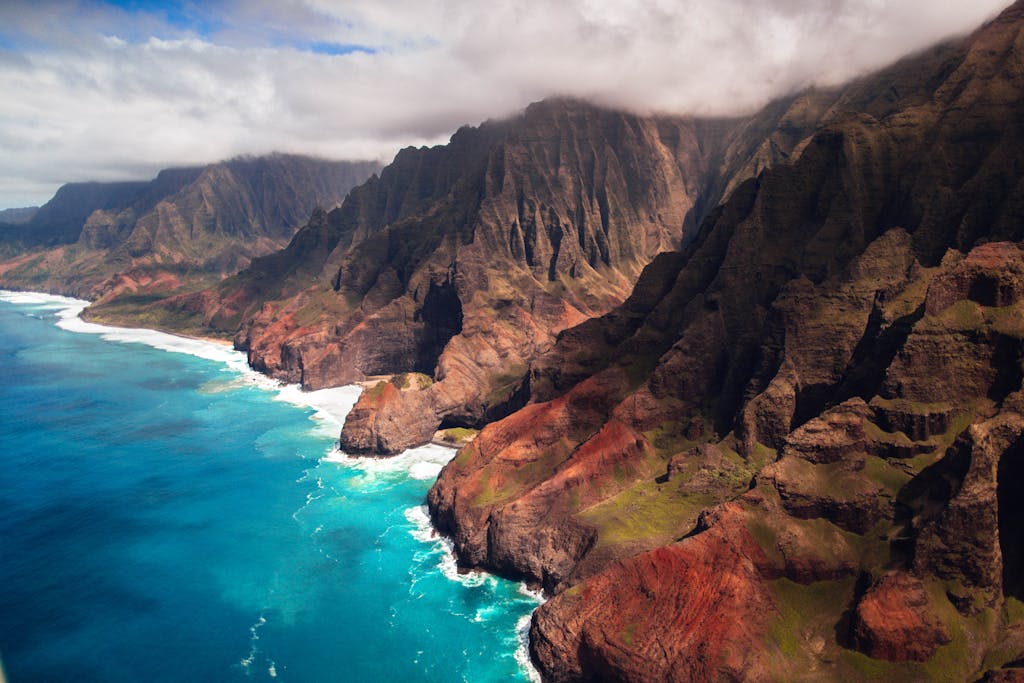
| Landscape | Beaches, waterfalls, rainforests, volcanic crater | Active volcanoes, lava fields, black/green sand beaches, ranchland, rainforest |
| Best For | Couples, families with young kids, beach lovers | Adventurers, families with older kids, nature lovers, stargazers |
| Cost | $$$$ (one of the most expensive islands) | $$$ (generally cheaper than Maui) |
| Crowds | Higher | Lower |
| Weather | Consistently sunny in resort areas | Varies dramatically (from beaches to snow) |
| Must-Do | Road to Hana, Haleakalā sunrise, Molokini | Volcanoes National Park, manta ray snorkel, Mauna Kea stargazing |
| Flight Time From East Coast | ~10–11.5 hours air time + connections | ~10–11 hours air time + connections |
| Inter-Island Flight | ~18 minutes | ~18 minutes |
Key Differences Between Maui and The Big Island
If you’re choosing between these two stunning Hawaiian islands, it helps to understand some of the main ways they differ. While both Maui and the Big Island can offer a similar type of vacation, there are still important distinctions to keep in mind, especially when it comes to overall expenses. Here’s what you should know.
Geography & Landscape Differences
Maui: The Valley Isle
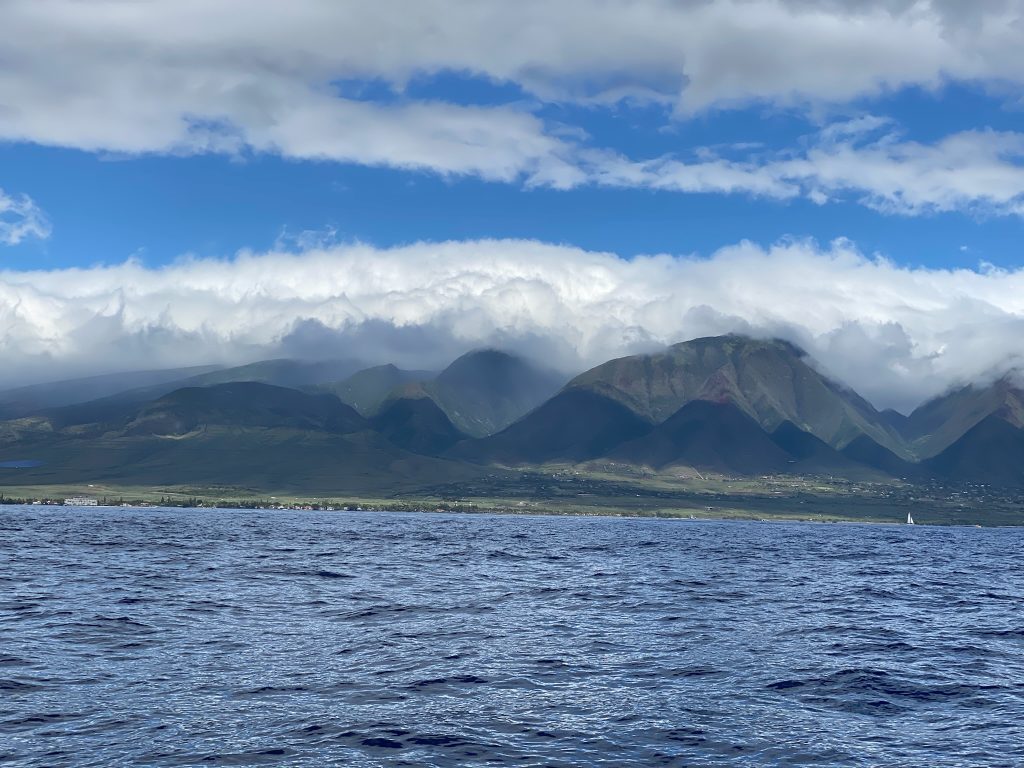
Maui is smaller, easier to navigate, and famous for its golden beaches, lush rainforest, and the towering volcanic summit of Haleakalā. It has a balanced mix of tropical beaches, waterfalls, bamboo forests, and high-elevation volcanic landscapes.
Maui feels more refined. You will find more resorts, beach walkways, curated luaus, and “classic” Hawaiian scenery all within easy reach.
The Big Island: The Island of Fire & Ice
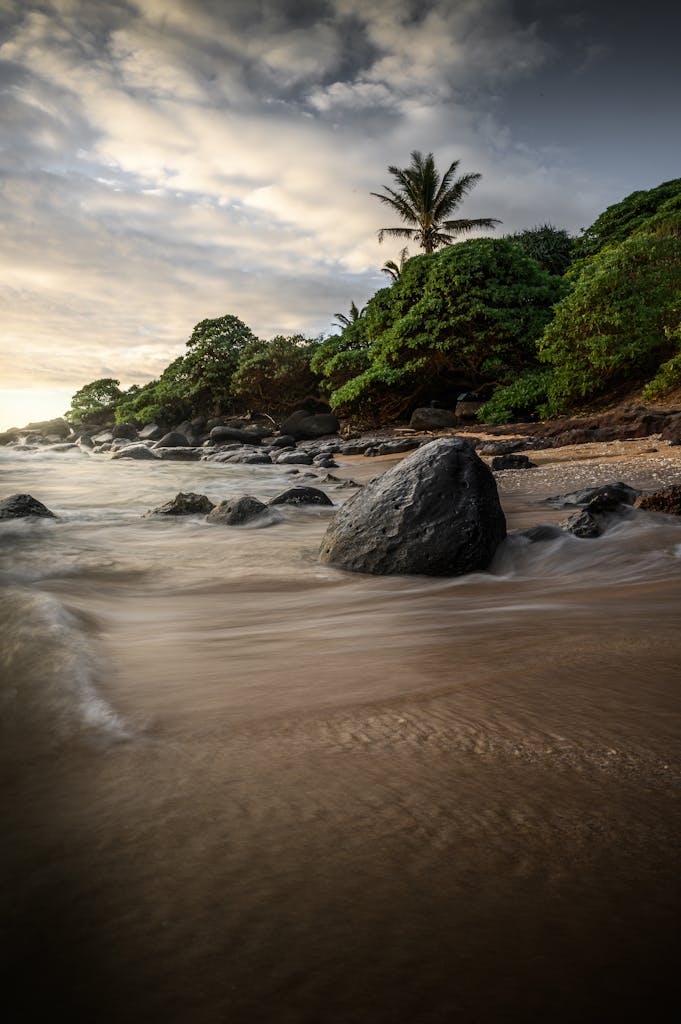
The Big Island is massive, it’s more than twice the size of all the other Hawaiian islands combined. It’s known for its dramatic and extreme landscapes, with active volcanoes (Kīlauea, Mauna Loa), a snow capped peak on Mauna Kea, golden, black and green sand beaches, lava deserts and tropical rainforests as well as waterfalls and jungle valleys.
If Maui feels like a picture-perfect postcard, the Big Island is more like a living, evolving world that’s constantly forming new land.
Weather: What to Expect
Maui Weather
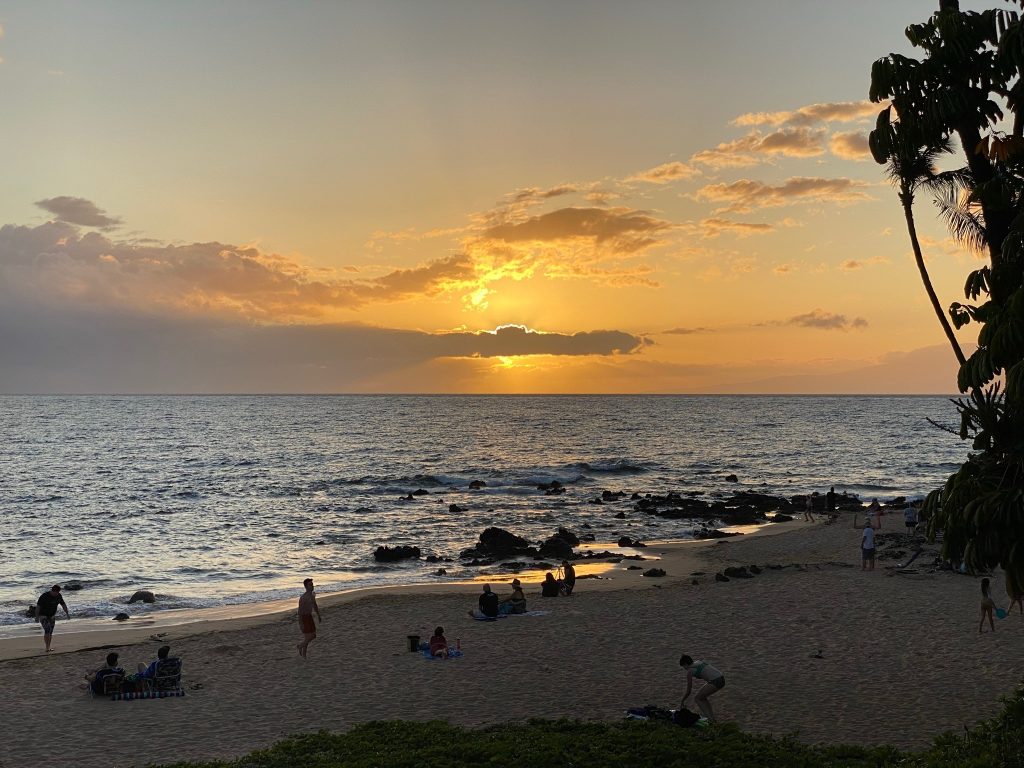
Maui’s popular beach areas (Kīhei, Wailea, Kaʻanapali) are reliably sunny and warm year-round, with temperatures ranging from the mid-70s to mid-80s °F. The windward side (Hana, North Shore) is wetter and lush.
Best for: Travelers who want predictable beach weather.
Big Island Weather
The Big Island contains 10 of the world’s 14 climate zones, meaning weather varies wildly across short distances. Here are some of the areas/options:
- Kona side: Sunny, dry, great beach weather
- Hilo side: Very wet and lush
- Mauna Kea summit: Freezing temperatures and occasional snow
Best for: Travelers who love diversity or don’t mind microclimate surprises.
Cost Differences: Which Island Is Cheaper?
In general:
- Maui is more expensive for lodging, dining, and resort activities.
- The Big Island is about 20% cheaper for a typical one-week trip.
Why? Maui’s tourism demand is higher, its resort zones are more developed, and its premium dining options often cost more. So, If cost is a major factor, the Big Island usually wins.
Culture & Food: What You’ll Experience
Maui Culture & Food
Maui has a strong tourism infrastructure, offering elegant luaus, upscale dinning, spa resorts, trendy cafes and food trucks. It’s polished and romantic. Though more commercial, it still offers authentic Hawaiian history in places like Lahaina (currently in recovery and rebuilding after the 2023 fire).
Big Island Culture & Food
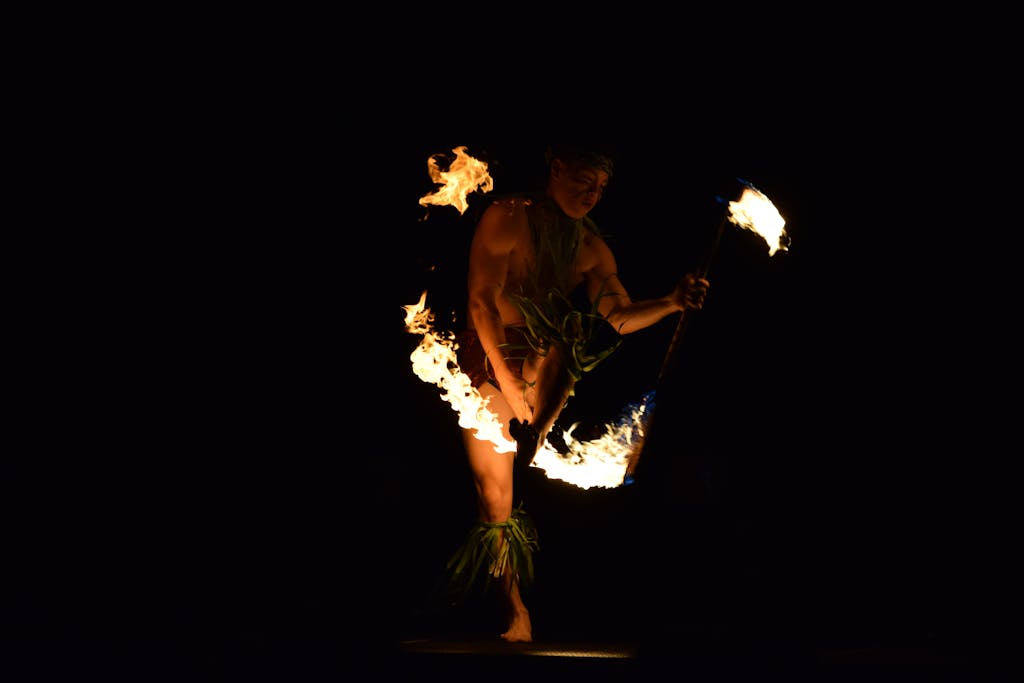
The Big Island is where many visitors say they feel the “real Hawaiʻi.” It’s deeply connected to Native Hawaiian culture and hosts many sacred sites. You can expect more local plate lunch spots, farmer’s markets, fewer former luaus and more raw history.
Which Island Is Better for Families: Maui or the Big Island?
Maui for Families
If you’re traveling with younger kids, Maui is often the easier and more convenient choice. The island is compact, the drives are shorter, and the weather is predictably sunny most of the year. Families love the calm resort beaches and the endless list of kid-friendly activities like snorkel cruises, beach days, and short scenic hikes. Everything is close and relaxed which is perfect if you want a low-stress vacation with little ones.
Big Island for Families
If your kids are older or you’re traveling with teens who love exploring, the Big Island is where the adventure really begins. This island is made for families who get excited about volcanoes, stargazing, road trips, wildlife, and water adventures. There’s more ground to cover and more time in the car, but that also means more variety and more “wow” moments. Just be prepared because more driving requires a bit more patience.
Which Island Is Better for Couples?
Maui for Romance
Maui is often considered Hawaiʻi’s honeymoon paradise. With luxury oceanfront resorts, adults-only pools, world-class spas, and dreamy sunset cruises, it has everything you need for a relaxing, romantic escape. If your ideal trip involves unwinding by beautiful beaches and indulging in upscale experiences, Maui is the perfect setting for a couple’s getaway.
Big Island for Adventure Couples
The Big Island is made for couples who love exploring. From lava fields and waterfalls to hiking trails, night manta ray dives, and stargazing, this island is full of epic, once-in-a-lifetime experiences. It’s not as glamorous as Maui, but it’s undeniably thrilling.
Crowds: Which Island Is Less Touristy?
Maui sees a higher concentration of hotels and visitors, especially in Wailea, Kīhei, and Kaʻanapali. The Big Island, on the other hand, has far fewer tourists and much more physical space.
If you want a quieter vacation with open roads, empty landscapes, and plenty of room to breathe, the Big Island is the clear winner.
Flight Times: From the US to Maui vs. the Big Island
From New York and other East Coast cities:
- Maui (OGG): about 10–11.5 hours of air time
- Big Island (KOA or ITO): about 10–11 hours of air time
Most flights require at least one connection unless you happen to catch a seasonal or rare nonstop.
From Los Angeles, San Francisco, and other West Coast cities:
Maui (OGG): about 4.5–5.5 hours of air time
Big Island (KOA or ITO): about 5–6 hours of air time
Many major West Coast hubs offer direct flights to both islands, making travel quick and convenient. If you’re flying from a smaller regional airport, you may need one connection, usually through Honolulu, Los Angeles, or San Francisco.
Inter-Island Flights (Maui ↔ Big Island)
Flying between the two islands only takes about 18 minutes in the air, roughly 45–60 minutes gate-to-gate. So, if time allows and you can’t decide which island to go to, visit both like we did on our last trip to Hawai’i!
🌺 Best Things to Do on Maui
Road to Hana
The Road to Hana is a legendary scenic drive that winds through lush rainforests and past waterfalls, seaside cliffs, and black- and red-sand beaches. It’s worth doing because the trip is filled with breathtaking stops at every turn.
>> Take a Guided Small Group Road to Hana Tour
Haleakalā Sunrise or Sunset
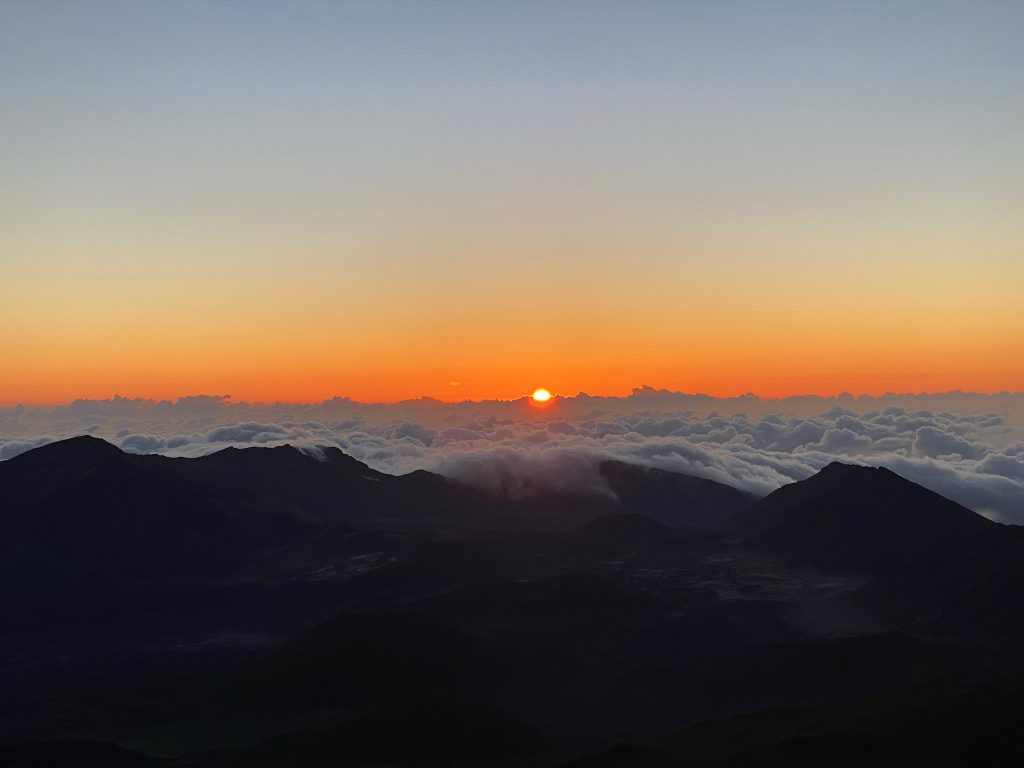
Watching the sunrise or sunset from the summit of Haleakalā is an unforgettable above-the-clouds experience. At over 10,000 feet, the colors are unbelievably vivid, and the vast crater landscape makes you feel like you’re standing on Mars.
>> Try a Guided Tour with Pick-up of Sunrise on the top of Haleakalā
Plan ahead and purchase your entrance pass from the National Park Service of Hawai’i and recreation.gov. These tickets are available 60 days ahead of time and can sell out.
Snorkel Molokini Crater
Molokini Crater is a crescent-shaped volcanic caldera surrounded by crystal-clear water with incredible visibility. Snorkeling here you will likely see colorful fish and vibrant coral. It’s one of the top-rated snorkeling trips in Hawaiʻi.
>> Book your Snorkel Adventure Here
Whale Watching (December–March)
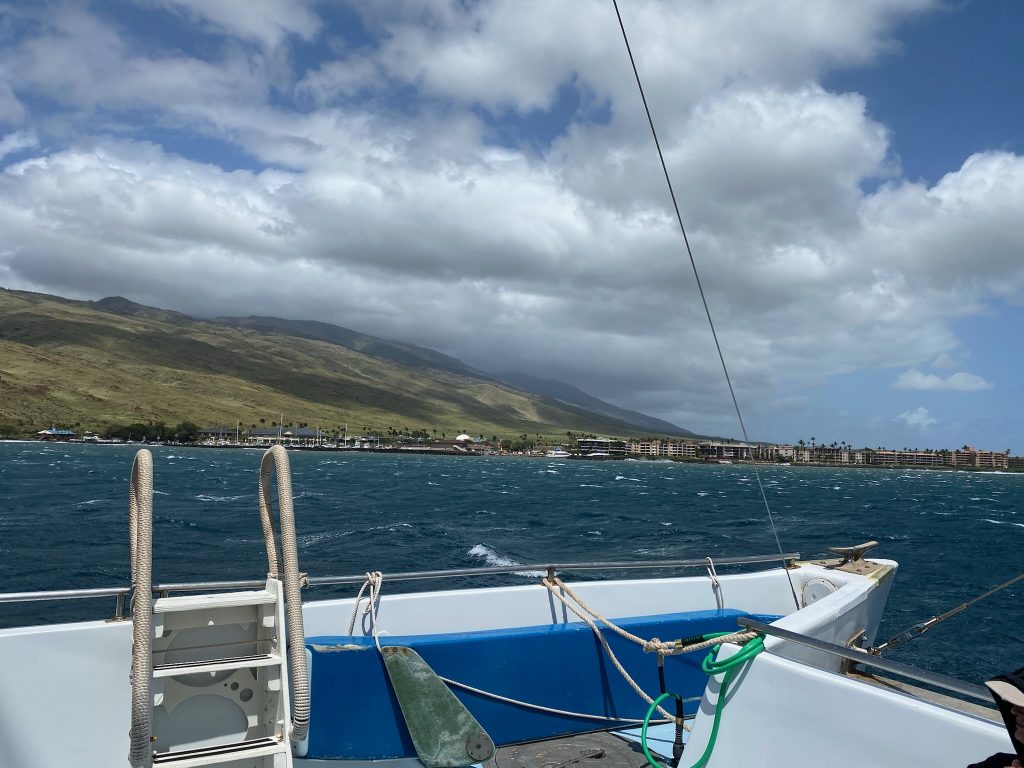
Maui is the best island in Hawaiʻi for humpback whale watching, with thousands of whales migrating into the warm waters each winter. Boat tours often bring you close enough to hear their songs or watch them breach.
Relax in Wailea or Kaʻanapali
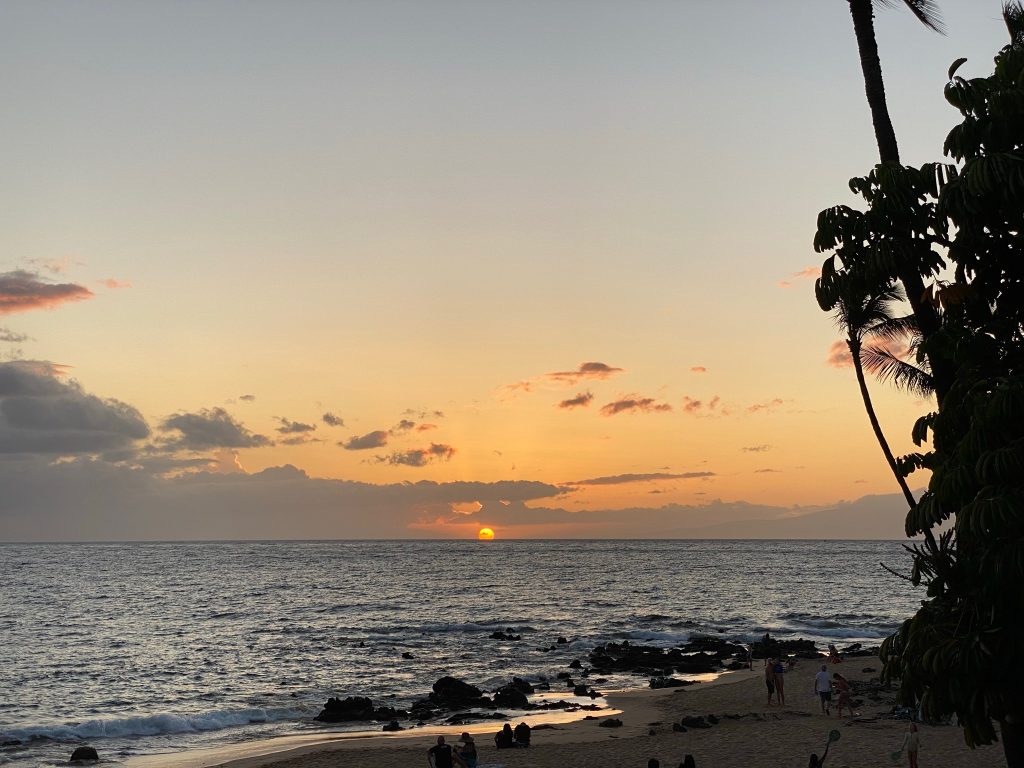
Wailea and Kaʻanapali offer some of the most beautiful beaches and luxurious resorts in Hawaiʻi. It’s worth spending a day here to enjoy soft sand, clear water, upscale dining, and relaxing spa experiences.
🌋 Best Things to Do on the Big Island
Hawaiʻi Volcanoes National Park
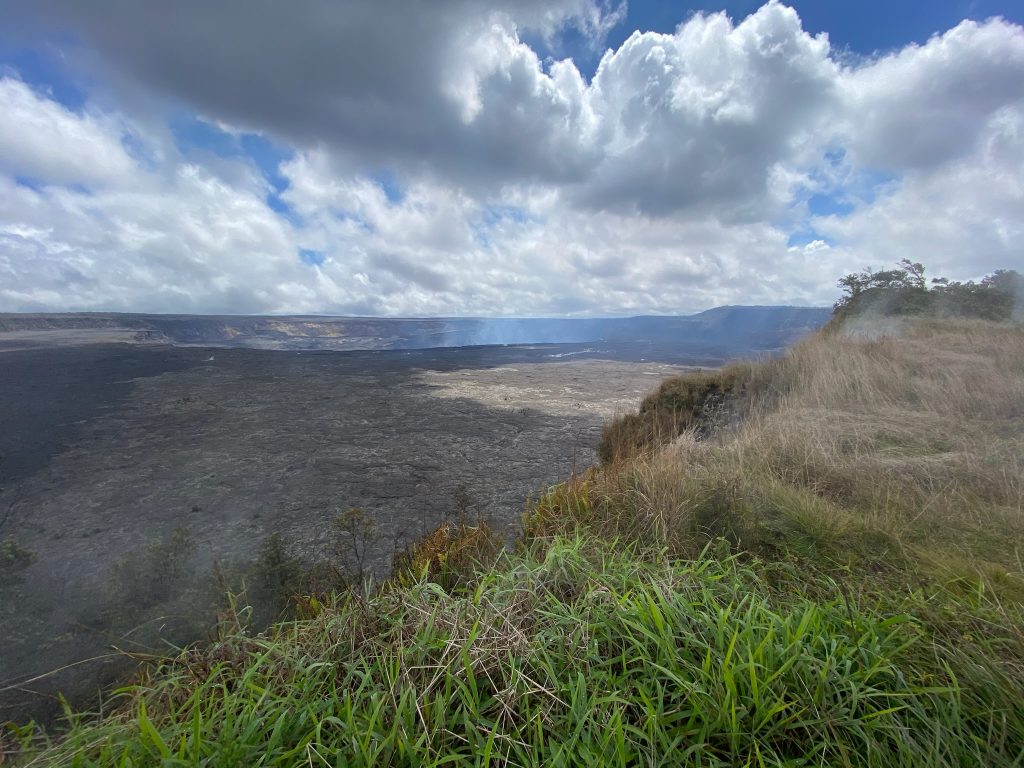
Hawai’i Volcanoes National Park is home to active volcanoes, massive craters, steam vents, and ancient lava tubes. Exploring the park gives you a chance to see how the island is still forming and evolving.
>>Check out 8 Things to Know Before Booking a Volcano Tour on the Big Island
Manta Ray Night Snorkel
The Big Island’s manta ray night snorkel is one of the most magical experiences in the world. Underwater lights attract huge, gentle manta rays that glide within inches of you while you float on the surface. It’s an extraordinary bucket-list adventure.
>>Book Your Manta Ray Night Snorkel
Mauna Kea Stargazing
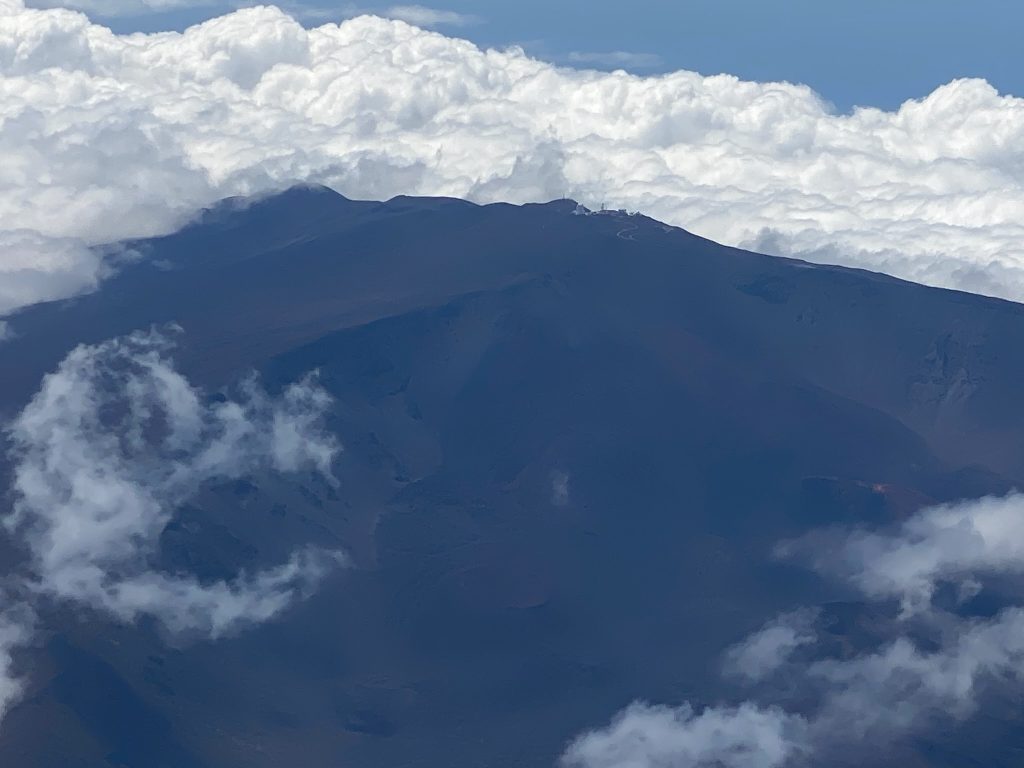
Mauna Kea is famous for having some of the clearest skies on the planet, making it an incredible stargazing destination. Whether you visit the visitor center or join a summit tour, the views of the Milky Way and constellations are unbelievable. You can find out additional information from the University of Hawai’i at Hilo Center for Maunakea Stewardship website.
Black & Green Sand Beaches
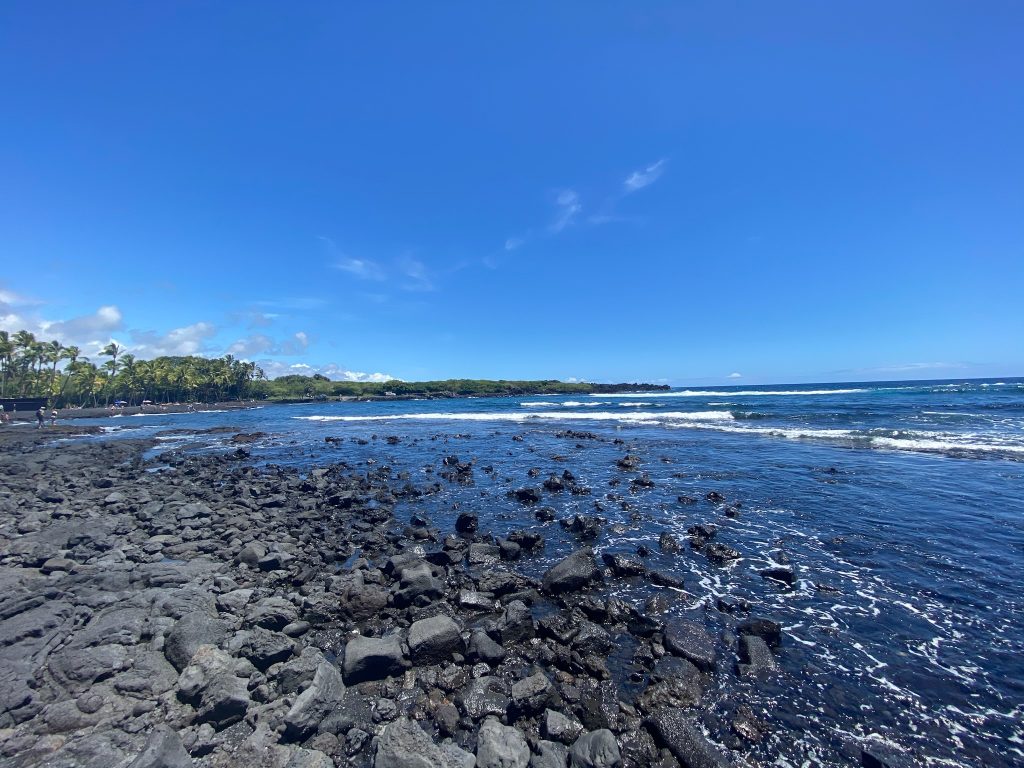
Punaluʻu Black Sand Beach and Papakōlea Green Sand Beach are two of the most unique shorelines anywhere in the world. The contrasting colors, striking landscapes, and sea turtle sightings make them must-sees.
Kona Coffee Country
The slopes of Kona are lined with world-famous coffee farms where you can take tours, learn about cultivation, and taste fresh-roasted beans. It’s worth visiting because Kona coffee is deeply tied to Hawai’i’s history and offers a flavorful cultural experience.
>> Book Kona Coffee Farm Tour Here
Frequently Asked Questions About Maui vs. the Big Island
Which island is better for beaches: Maui or the Big Island?
Maui is generally better for classic white-sand beaches that are easy to access and perfect for swimming, snorkeling, and relaxing. Popular resort areas like Wailea and Kaʻanapali offer some of the best beaches in Hawai’i.
The Big Island has more unique beaches, including black, green, and rugged volcanic coastlines, but fewer traditional beaches that you can easily swim from. Its beauty is dramatic, but more spread out.
Is the Big Island cheaper than Maui?
In most cases, yes, the Big Island tends to be more budget-friendly than Maui.
Accommodations, dining, and car rentals are often slightly cheaper on the Big Island, and you’ll find a wider range of price points. Maui, especially the resort zones, leans more luxury and can get expensive quickly. That being said, both islands can fit most budgets if you plan ahead.
How many days do you need on Maui vs. the Big Island?
For most travelers:
- Maui: 4–7 days is ideal, especially if you want to enjoy beaches, relax, and do a few top experiences like the Road to Hana or a snorkel trip.
- Big Island: 5–10 days is better because the island is much larger, and attractions like Volcanoes National Park, Mauna Kea, and Kona coffee farms are spread out. If you like fast-paced adventure and road trips, the Big Island rewards longer stays.
Which island is better for first-time visitors?
Maui is usually the best choice for a first trip to Hawai’i thanks to its easy sightseeing, beautiful beaches, and wide range of activities in compact areas.
The Big Island is better for travelers who want adventure, nature, and fewer crowds, or for those who don’t mind driving to reach different climates and landscapes.
There’s no wrong pick, it just depends on whether you prefer convenience and beaches (Maui) or exploration and variety (Big Island).
Maui vs. Big Island: Which Should You Choose?
Choose Maui if you want:
- Beautiful beaches just steps from your resort
- A romantic or honeymoon-style getaway
- Easy travel with minimal driving
- Upscale dining and spa experiences
- Whale watching in the winter
Choose the Big Island if you want:
- Volcanoes, waterfalls, lava tubes, and dramatic scenery
- Fewer crowds and more room to explore
- A more authentic, local feel
- A wide mix of climates and landscapes
- Adventure activities like stargazing or manta ray diving
Summing Things Up: The Final Verdict: Maui vs. the Big Island
There’s truly no wrong choice just the island that better matches the style of trip you’re imagining.
If your dream is a classic Hawaiian resort vacation with ease and relaxation, choose Maui.
If you’re craving rugged beauty, volcanoes, open space, and star-filled skies, choose the Big Island.
No matter which one you visit, you’ll experience the magic of Hawaiʻi, just in two very different ways.
