
The Ultimate Grand Cayman Travel Guide (2026): Best Things to Do, Where to Stay, and Top Itinerary Tips
If you’re dreaming of turquoise waters, white-sand beaches, and vibrant marine life, it’s time to put Grand Cayman Island at the top of your travel bucket list.
Few destinations in the Caribbean offer the blend of natural beauty, world-class dining, and relaxed island life that Grand Cayman delivers so consistently. The largest of the three Cayman Islands, it has earned a global reputation for its extraordinary diving, its iconic Stingray City, and seven miles of powdery white sand that rank among the finest beaches anywhere in the Atlantic.
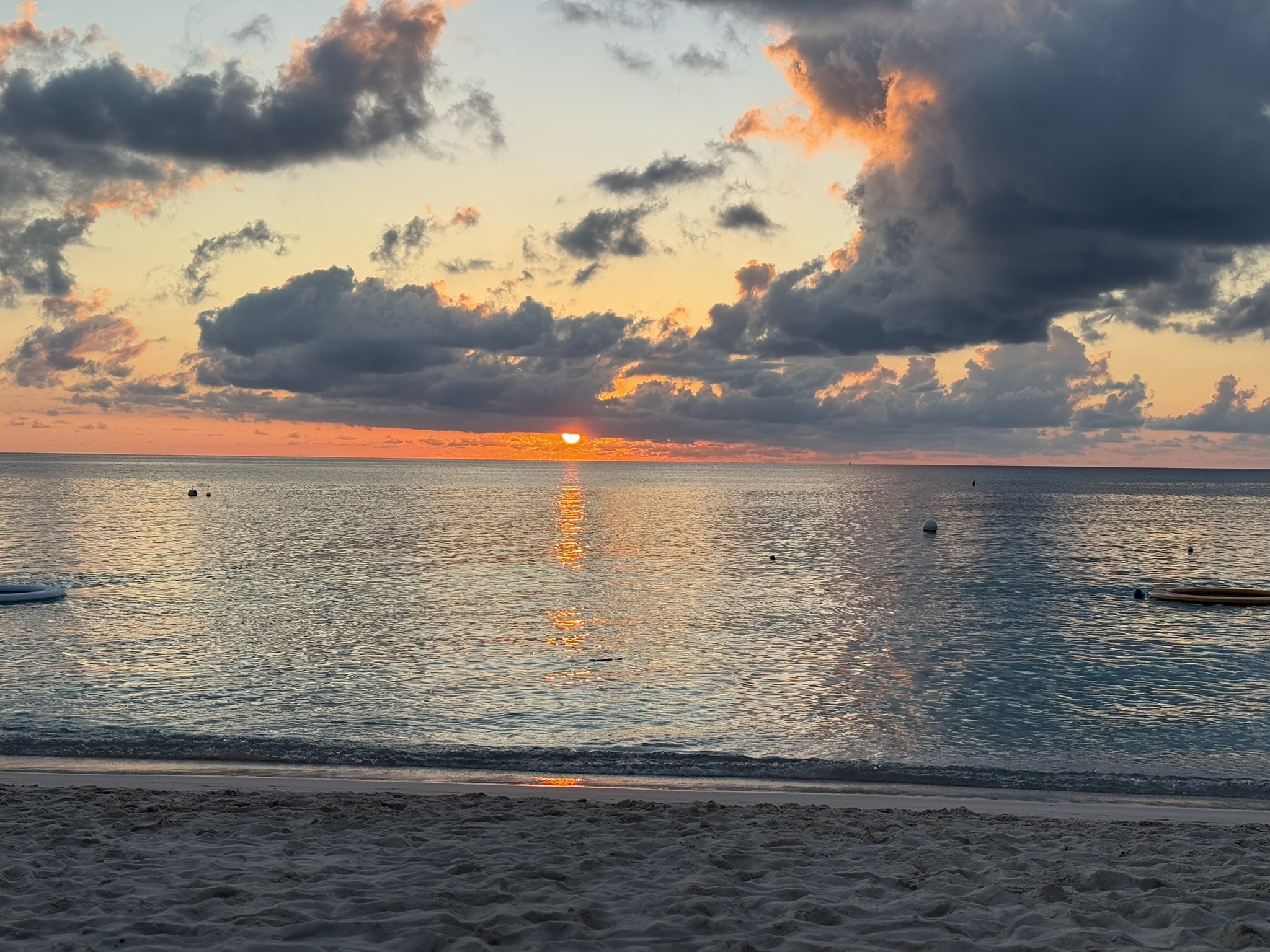
After our last trip to Grand Cayman, we’ve created this comprehensive guide for you. We took our experiences to create this guide where you’ll discover the best things to do in Grand Cayman, where to eat, what to see, and how to plan the perfect Grand Cayman itinerary. Whether you’re visiting for a romantic getaway, family vacation, or solo adventure, this guide has you covered.
Wandering Everywhere contains affiliate links and is a member of Amazon Services LLC Associates Program. If you make a purchase using one of our links, we may receive compensation from the company at no additional cost to you. Read our disclaimer here.
Destination Snapshot
Grand Cayman at a Glance
- Best for
- Couples, luxury travelers, families, divers
- Airport
- Owen Roberts Intl. (GCM)
- Currency
- Cayman Islands Dollar (USD widely accepted)
- Language
- English
- Driving
- Left side
- Ideal trip length
- 5 days
- Best month
- May
- Passport required
- Yes
- Safe?
- Extremely

Is Grand Cayman Right for You?
Perfect if you…
- Love calm turquoise beaches
- Enjoy snorkeling
- Want luxury resorts
- Like excellent restaurants
- Want an easy Caribbean vacation
Not the best fit if…
- You’re on a tight budget
- You want nightlife
- You prefer hiking or mountains
Best Time to Visit Grand Cayman
Peak Season (December – April):
This is the most popular window, and for good reason. Skies are reliably sunny, humidity is low, and the northeast trade winds keep temperatures comfortable. Expect hotel rates to be highest and popular attractions like Stingray City to be busy. Book accommodation and tours well in advance if you are traveling between December and March.
Shoulder Season (May and October):
Increasingly popular with savvy travelers, May and October offer warm, largely dry weather with noticeably fewer crowds and meaningfully lower hotel rates. May and October sit just outside peak hurricane risk and before the worst of sargassum season (May) or after it begins to ease (October). These are arguably the best months for a value-conscious trip.
Off Season (June – September):
Hotter, more humid, and falling within hurricane season (which technically runs June through November, though direct hits on Grand Cayman are rare). Hotel rates drop considerably and the island is far quieter. The main drawback for beach lovers traveling in summer is sargassum. 2025 saw a record-breaking season on the East End. West-side beaches, particularly Seven Mile Beach, are far less affected and remain swimmable throughout.

How to Get to Grand Cayman Island
Fly into Owen Roberts International Airport (GCM), located just outside George Town. Direct flights arrive from Miami, Charlotte, Atlanta, New York, and other major U.S. cities.
Getting Around the Island:
- Rental Car: Best for exploring beyond Seven Mile Beach. Drive on the left side!
- Public Buses: Affordable and efficient for short distances.
- Taxis & Shuttles: Easy to find near resorts and the airport.
Do you need a car in Grand Cayman?
Not strictly necessary if you’re staying at a Seven Mile Beach resort and plan to stay close to that area. Restaurants, beach, and shops are all walkable or a short taxi ride apart.
A rental car is strongly recommended, though, if you want to explore Rum Point, the East End, George Town, the Botanic Park, or the Crystal Caves. These are spread across the island and much easier to reach at your own pace.
Where to Stay in Grand Cayman: Best Hotels by Area
Grand Cayman’s accommodation options range from ultra-luxury beachfront resorts to budget-friendly suites and private villas. Your choice of area shapes the character of your trip significantly.
Seven Mile Beach – Best for Couples & First-Time Visitors
- The Ritz-Carlton, Grand Cayman – The island’s premier luxury property, with impeccable service, a full spa, and direct beach access. This is where we stayed the most recent time we went to the Grand Cayman, it was incredibly relaxing!
- Kimpton Seafire Resort + Spa – Modern, design-led, and beachfront. A strong choice for style-conscious travelers who want atmosphere alongside comfort.
- Palm Heights – A boutique, retro-inspired property with a devoted following. Less formal than the Ritz but with serious personality and a great pool scene.
East End & North Side – Secluded & Scenic
Quieter, more remote, and home to some of Grand Cayman’s most beautiful natural scenery. A good fit for couples seeking privacy or families who want space away from the busier west coast. Be aware of sargassum impact on East End beaches during summer months.
- Wyndham Reef Resort – A well-regarded family-friendly option with a relaxed atmosphere and direct beach access on the East End.
- Ocean Paradise Villas – Private, spacious, and ideal for longer stays or groups. Self-catering option that suits those who want independence.
George Town & West Bay – Budget-Friendly & Central
Convenient, affordable, and well-connected. George Town is the island’s commercial and cultural hub which is a good base for those who want easy access to the airport, duty-free shopping, and the broader island without paying Seven Mile Beach resort prices.
- Sunshine Suites Resort – Consistently well-reviewed for value. Clean, comfortable, and a short drive from the beach.
- The Locale Hotel Grand Cayman – Trendy and central, with a younger, design-forward vibe.

Internet and Cell Service
Staying connected in Grand Cayman is easy. Most hotels, resorts, restaurants, and cafés offer free Wi-Fi, and in our experience the connections were fast and reliable enough for browsing, video calls, and streaming.
If you plan to use your phone away from your hotel, check with your wireless provider before you travel. Many U.S. carriers offer international roaming plans that work well in the Cayman Islands. If your plan doesn’t include international service, local prepaid SIM cards and eSIMs are available through the island’s two major mobile providers, Digicel and Flow. Both offer excellent coverage throughout Grand Cayman.
📍Travel Tip: Download offline Google Maps before your trip. Cell service is generally reliable, but having offline maps can be helpful when exploring the East End or other less-developed areas.
Best Things to Do in Grand Cayman (2026)
Grand Cayman rewards travelers who look beyond the beach, although the beach alone is worth the trip. A few essentials to build your trip around:
Swim with Stingrays at Stingray City – The undisputed highlight of any Grand Cayman trip. Dozens of large, gentle southern stingrays glide around your legs in waist-deep water at this series of shallow sandbars in the North Sound. Book a morning tour to beat the crowds.
Snorkeling & Scuba Diving – With over 365 named dive sites and the dramatic Cayman Wall just offshore, this is one of the world’s great diving destinations, from beginner-friendly coves to wreck dives and cavern tunnels.
Relax at Seven Mile Beach -Powdery white sand, calm surf, and some of the best sunsets in the Caribbean.
Bioluminescent Bay Night Tour – One of only a handful of locations on Earth where you can snorkel through naturally glowing plankton. Books up fast, especially in peak season.
For the full breakdown, including George Town, Starfish Point, hidden gems like the Blowholes and Pirates Caves, and where to book each tour, check out our complete guide: Best Things to Do in Grand Cayman.

Sample 5-Day Grand Cayman Itinerary
If you’re visiting Grand Cayman for the first time, five days is the perfect amount of time to experience the island’s highlights while still leaving plenty of time to relax.
Day 1: Arrive, check into your hotel, spend the afternoon on Seven Mile Beach, and enjoy a sunset dinner at Coccoloba or Calico Jack’s.
Day 2: Take a morning boat tour to Stingray City, Coral Gardens, and Starfish Point. Spend the afternoon relaxing at Rum Point before dinner at Kaibo Beach Bar & Grill.
Day 3: Explore George Town and the Cayman Islands National Museum, stroll through Camana Bay, and end the day with a bioluminescent bay tour.
Day 4: Rent a car and discover the quieter side of the island, including the Queen Elizabeth II Botanic Park, the Blowholes, East End, and, if time allows, the Crystal Caves.
Day 5: Enjoy one last morning on the beach before a catamaran sunset cruise and a farewell dinner at Blue by Eric Ripert or Casa 43.
➡️ Planning a longer stay? Check out our complete 5-Day Grand Cayman Itinerary for a detailed day-by-day guide.
Visiting Grand Cayman on a Cruise
Yes! Grand Cayman is a fantastic cruise destination, and you can experience many of its highlights in just one day. Since the island doesn’t have a cruise pier, passengers are tendered ashore to George Town, putting you within easy reach of many of the island’s top attractions.
If it’s your first visit, I recommend choosing one major excursion, such as Stingray City, a snorkeling tour, or a trip to Seven Mile Beach. If you prefer to stay close to town, you can explore George Town’s shops and museums, enjoy a waterfront lunch, or take a short taxi ride to Seven Mile Beach for a few hours of relaxation.
📍Travel Tip: Book cruise excursions or independent tours early, especially if your ship is visiting during peak season. Popular tours often sell out before your arrival.
➡️ Only have one day? Read our complete guide to spending one perfect day in Grand Cayman.
How Expensive Is Grand Cayman?
Typical daily costs per person, in USD
| Budget | Moderate | Luxury | |
|---|---|---|---|
| Hotel | $80–150/night | $200–350/night | $600–900+/night |
| Dinner | $15–25 | $40–60 | $80–150+ |
| Rental car | $40–50/day | $50–80/day | $80–150+/day |
| Cocktails | $8–10 | $12–16 | $18–25 |
| Excursions | $35–50 | $60–100 | $150–300+ |
Prices reflect typical 2026 rates and vary by season — Grand Cayman peaks December–April and is cheapest June–November. Restaurant prices run roughly 35% higher than mainland US averages.
Where to Eat in Grand Cayman: Top Restaurants for 2026
Grand Cayman punches well above its weight culinarily. It has been dubbed the Culinary Capital of the Caribbean, and the island’s restaurant scene backs that up. These are the standouts across different categories.
Best Fine Dining
- Blue by Eric Ripert(The Ritz-Carlton) – The island’s most celebrated restaurant. Award-winning contemporary seafood from one of the world’s most respected chefs. Reservations essential.
- The Brasserie – Farm-to-table Caribbean cuisine in a relaxed but polished setting. Excellent use of local produce and fish. A favorite among locals and repeat visitors alike.
Best Beachfront and Casual
- Coccoloba – Tacos, tequila, and ocean views at Seven Mile Beach. Reliably good food in a buzzy, social atmosphere. Great for a first-night dinner.
- Calico Jack’s – Laid-back beach bar on Seven Mile Beach. Ice-cold Caybrew, grilled food, and feet in the sand. Exactly what you want from a Caribbean beach lunch.
Best Local Restaurant
- Heritage Kitchen -A beloved local institution tucked away in Heritage Square. Fish soup, coconut mahi mahi, and proper Caymanian home cooking. Eat on the sea wall if you can.
Our Favorite Find
- Casa 43 – Mexican-inspired dishes made with fresh local seafood. Reliably good, well-priced, and popular with islanders and visitors alike. Strong choice for a farewell dinner.
Best Breakfast
- Icoa Café– If you’re looking for a great way to start your day, this is my top pick. Just minutes from Seven Mile Beach, Icoa Café is known for excellent coffee, freshly baked pastries, hearty breakfast dishes, and what many consider the island’s best almond croissant. It’s equally popular with locals and visitors, which is always a good sign.
Best Sunset Dinner
- The Wharf Restaurant & Bar – You can find a good meal in many places on Grand Cayman, but few restaurants can match the sunset views at The Wharf. Dine on the waterfront while watching the sun disappear into the Caribbean before enjoying fresh seafood and an excellent wine list. If you’re celebrating a special occasion, reserve a table just before sunset. The nightly tarpon feeding is an added bonus.
Best Romantic Dinner
- Grand Old House – For a memorable date night, I’d choose Grand Old House. Set inside a beautifully restored historic plantation house overlooking the water, it offers one of the island’s most romantic settings. The combination of fine dining, ocean views, and impeccable service makes it ideal for anniversaries, honeymoons, or your last evening on the island.
- Runner-up: Upstairs at Kaibo if you’re spending time near Rum Point. Its intimate atmosphere and waterfront location make it another outstanding choice for couples.
Practical Travel Tips for Grand Cayman
- Rent a car. You don’t need one for a Seven Mile Beach-only stay, but a rental unlocks the entire island including; East End, Rum Point, Bodden Town, and the Crystal Caves are all worth the drive. Remember to drive on the left.
- No Uber or Lyft. Use the Flex app (Grand Cayman’s local ride-share service) or pre-arranged taxis.
- No visa required for US citizens for stays under 30 days, but a valid passport and a return ticket are both mandatory at entry.
- Currency: Cayman Islands Dollar (KYD); USD accepted – use the XE Converter to check rates
- Language: English
- Safety: Very safe, but always use common sense
- Water: Tap water is safe to drink
- Wi-Fi: Widely available
- Tipping: 15–20% is standard
- If traveling in spring, check dates for Carnival Batabano, Grand Cayman’s national carnival, a vibrant celebration rooted in Caribbean cultural history.
Money Saving Tips
How to save money in Grand Cayman
-
Use the free beaches
Seven Mile Beach is public along its entire length, so you can enjoy it without paying resort day-pass fees, even if you’re not staying there.
-
Shop at grocery stores
Restaurant prices run high, so stocking up at a local supermarket for breakfasts and snacks (or booking a condo with a kitchen) cuts food costs significantly.
-
Visit Rum Point yourself
Skip the guided shuttle tour and drive there instead. A rental car costs less than most organized excursions to the same spot.
-
Book tours ahead of time
Popular excursions like Stingray City sell out and get pricier if booked last-minute or through your resort’s concierge. Booking directly and early usually saves money.
-
Travel in the shoulder season
May and November bring lower hotel rates and thinner crowds than the December–April peak, without the heaviest summer rain.
-
Take the public bus
Minibuses run along Seven Mile Beach and out to West Bay for just a few dollars a ride, far cheaper than taxis if you don’t need a rental car every day.
-
Watch for happy hour
Many beach bars run happy hour specials on cocktails and beer in the late afternoon, which can meaningfully cut your drink bill over a multi-day trip.
What to Pack for Grand Cayman
Packing for Grand Cayman is easy, but bringing the right gear will make your trip much more enjoyable. A reef-safe sunscreen is essential to help protect the island’s delicate coral reefs while you’re enjoying the beach or snorkeling. Water shoes are helpful for exploring rocky shorelines and entering the water at places like Smith Cove or Cemetery Beach. If you plan to spend time on the water, a dry bag is perfect for protecting your phone, camera, and other valuables. Bringing your own snorkel set can save money on rentals and lets you explore some of the island’s excellent shore snorkeling whenever you’d like. Finally, don’t forget a reusable water bottle to stay hydrated in the Caribbean heat while reducing plastic waste.
Our packing essentials:
Frequently Asked Questions (FAQs) About Traveling to Grand Cayman
Is Grand Cayman worth visiting?
Absolutely. Grand Cayman consistently delivers on its reputation. The beaches are exceptional, the water is extraordinary, the food scene is world-class for an island of its size, and it is one of the safest destinations in the Caribbean. It sits at the premium end of the Caribbean pricing spectrum, but the quality of experience justifies it for most travelers.
What is Grand Cayman best known for?
Stingray City, Seven Mile Beach, and some of the finest scuba diving and snorkeling in the world. Beyond the water, the island has earned a strong reputation for its restaurant scene and is frequently cited as the Culinary Capital of the Caribbean
How many days do you need in Grand Cayman?
Four to six days is the sweet spot for most visitors. Four days allows you to cover the main highlights; five or six days gives you room to explore the East End, visit the Crystal Caves, and properly decompress. A week or more suits divers who want to get through a serious portion of the island’s 365+ dive sites.
Do I need a passport to go to Grand Cayman?
Yes, U.S. citizens need a valid passport to enter the Cayman Islands — a driver’s license or birth certificate alone won’t work, even though it’s a short flight from the U.S. No visa is required for stays under 30 days, and you’ll also need to show a return or onward ticket at entry. It’s worth double-checking your passport’s expiration date before booking, since some airlines and immigration checkpoints prefer at least six months of validity remaining.
Do you need a car in Grand Cayman?
It depends on how much of the island you want to see. If your trip is centered on Seven Mile Beach, you can plan on sticking to your resort, nearby restaurants, and the beach itself, then you can get by easily on foot, by taxi, or with the Flex ride-share app. But Grand Cayman has a lot more to offer beyond the west coast, and the East End, Rum Point, and the Botanic Park are all difficult to reach without your own wheels. If a rental fits your budget, it opens up the whole island and lets you move at your own pace. Just remember, driving is on the left side of the road!
Is Grand Cayman good for families?
Very much so. The island is consistently safe, the beaches are calm and shallow in places (Rum Point and Starfish Point are ideal for young children), and family-specific activities such as the Turtle Conservation Centre, Stingray City, and the Crystal Caves, are all excellent. Wyndham Reef and the Kimpton Seafire cater particularly well to family groups.
Is Grand Cayman expensive?
Yes, Grand Cayman sits toward the higher end of the Caribbean price spectrum with restaurant prices in particular run roughly 35% higher than mainland US averages. That said, your actual costs depend heavily on style: a budget traveler can manage on $80–150/night for hotels and $15–25 for dinner, while a luxury trip can easily run $600–900+/night with $80–150+ dinners. See our full cost breakdown above for a detailed look at budget, moderate, and luxury pricing across hotels, food, cars, and excursions.
Is Grand Cayman safe?
Extremely. Grand Cayman is consistently ranked among the safest destinations in the Caribbean, with low crime rates and a well-developed tourism infrastructure. As with anywhere you travel, it’s still smart to use common sense so do things like keep an eye on valuables at the beach, use reputable tour operators, and lock rental cars, but there’s no particular safety concern that should give travelers pause.
What language do they speak in Grand Cayman?
English is the official language and is spoken everywhere on the island, so there’s no language barrier for U.S. or U.K. visitors.
Wrapping Things Up: Why This Grand Cayman Travel Guide Has You Covered
Grand Cayman occupies a distinctive position in the Caribbean. It is not the cheapest destination, but it is one of the most beautiful. The beach is genuinely world-class and the diving and snorkeling are among the best in the Atlantic. The food scene would hold its own in a major city, and the island is safe, well-run, and easy to navigate. The Grand Cayman offers the kind of tropical escape you’ll talk about for years.

We hope you use this guide to plan your dream trip! Finally, don’t forget to check out our companion post for a more personal look at our favorite hidden spots:
