

15 Unique Things to Do in Guayaquil, Ecuador (2026 Update): Hidden Gems & Local Favorites
Wandering Everywhere contains affiliate links and is a member of Amazon Services LLC Associates Program. If you make a purchase using one of our links, we may receive compensation from the company at no additional cost to you. Read our disclaimer here.
If you’re searching for unique things to do in Guayaquil, you’ll quickly notice that most guides stop at the Malecón 2000 boardwalk, the sleek riverside promenade that anchors Ecuador’s largest city. It’s beautiful, but the best things to do in Guayaquil, Ecuador go far beyond it: colorful hillside neighborhoods, island eco-adventures, hole-in-the-wall food, and hidden gems most visitors never find.
I explored Guayaquil in person in 2024, and this guide reflects both that firsthand experience and a full 2026 update, including an honest look at safety in Guayaquil right now, what to skip, where to stay, and how to experience the city like a local without taking unnecessary risks. And if you want these ideas arranged into a day-by-day plan, my 72 Hours in Guayaquil itinerary pairs perfectly with this list.

First: Is Guayaquil Safe to Visit in 2026?
Let’s address this before the fun stuff, because the situation deserves honesty. When I visited in 2024, the news made Guayaquil sound like a no-go zone. Yet in several days of exploring, I never once felt like I was in danger. I also traveled carefully with daytime outings, ride apps instead of street taxis, no flashy jewelry or dangling phone, and I stayed in a well-located hotel.
That said, my experience is one data point, and the official guidance is currently serious. As of this update, the U.S. State Department advises “Do Not Travel” to Guayaquil south of Portete de Tarquí Avenue and “Reconsider Travel” for the rest of the city, citing crime and terrorism concerns tied to organized gangs. Ecuador has declared states of emergency in several coastal provinces, including Guayas. Check the current Ecuador travel advisory before you book anything; conditions change quickly, in both directions.
My practical safety rules for Guayaquil:
- Stay in the northern/central tourist corridor: Malecón 2000, Las Peñas, Puerto Santa Ana, Urdesa, and Samborondón.
- Skip public buses entirely. Even U.S. embassy staff are barred from using them. Use Uber or hotel-dispatched taxis instead.
- Do most of your exploring in daylight, and take a ride app door-to-door after dark.
- Carry only what you need for the day and keep your phone tucked away on the street.
- Pack smart: I carry an anti-theft crossbody bag and a slim under-clothing money belt , with details in the packing section below.
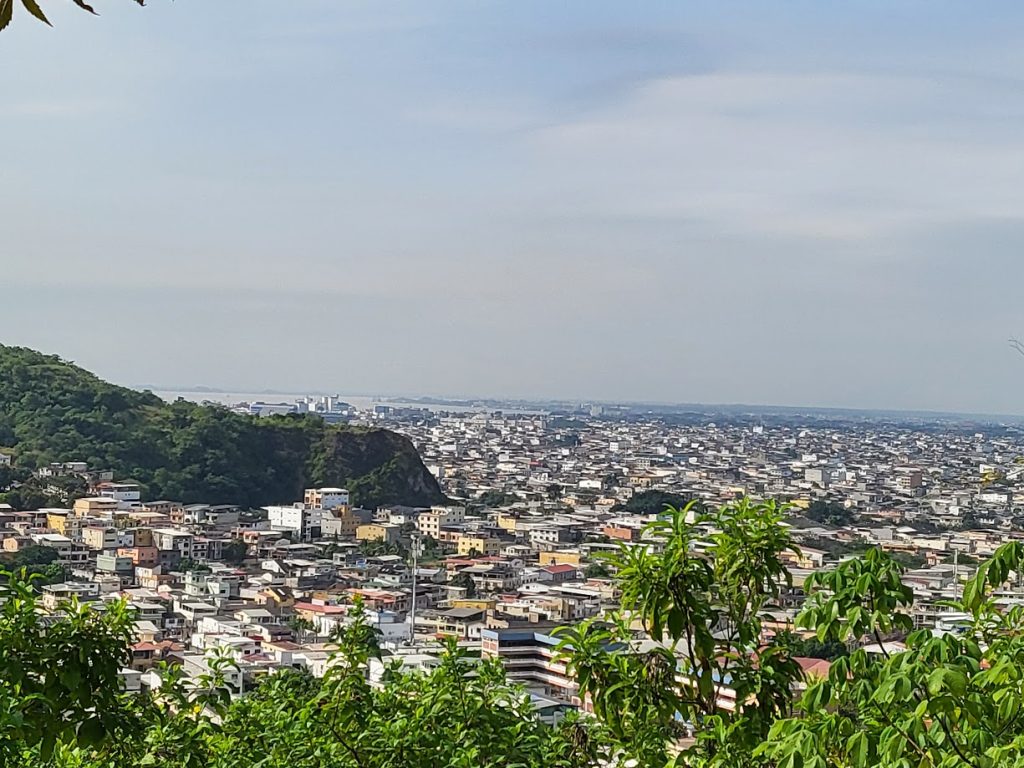
The 15 Best Unique Things to Do in Guayaquil (Tried, Tested & Updated for 2026)
1. Wander Through Las Peñas around Sunrise
Most tourists climb the 444 steps of Las Peñas up Cerro Santa Ana for sunset. Flip the script and go in the early morning. The colorful colonial houses, cobbled lanes, and mosaic-tiled stairs are completely quiet in the early hours; you’ll share the view with a few sleepy cats and a soft pink sky over the Guayas River.
📍 Pro Tip: Bring a thermos of local coffee from Sweet & Coffee and enjoy it at the top near the lighthouse (El Faro). It’s peaceful, romantic, and not a selfie stick in sight. The stair climb is police-patrolled during the day, so go once the sun is up and other walkers are out.

2. Bike or Walk Across the River to Isla Santay
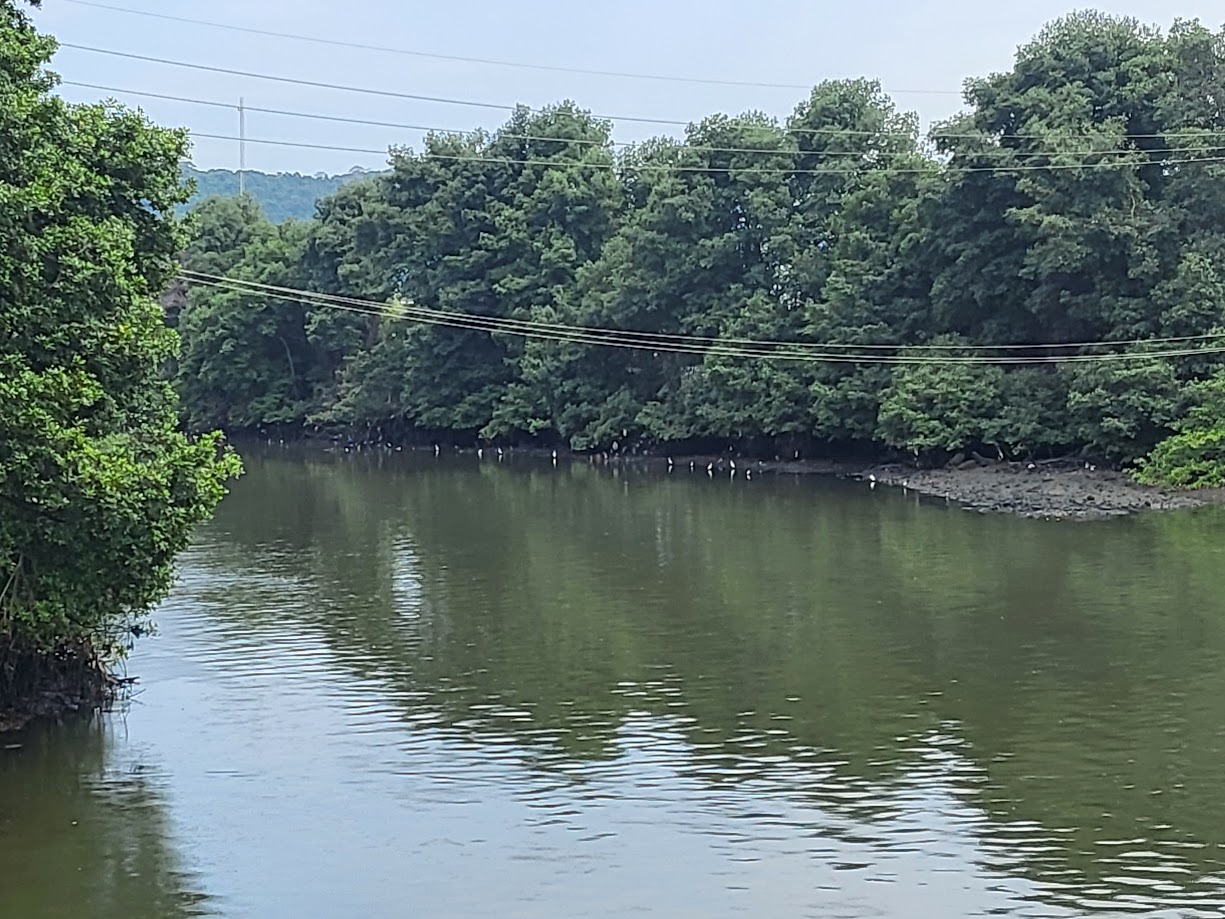
A serene escape from the city’s bustle, Isla Santay is a protected wetland island in the Guayas River and one of the most unique things to do in Guayaquil for nature lovers. An 840-meter pedestrian and cycling bridge connects the city to the island from Avenida El Oro at the riverfront (it is south of downtown, so take an Uber directly to the bridge entrance rather than walking there).
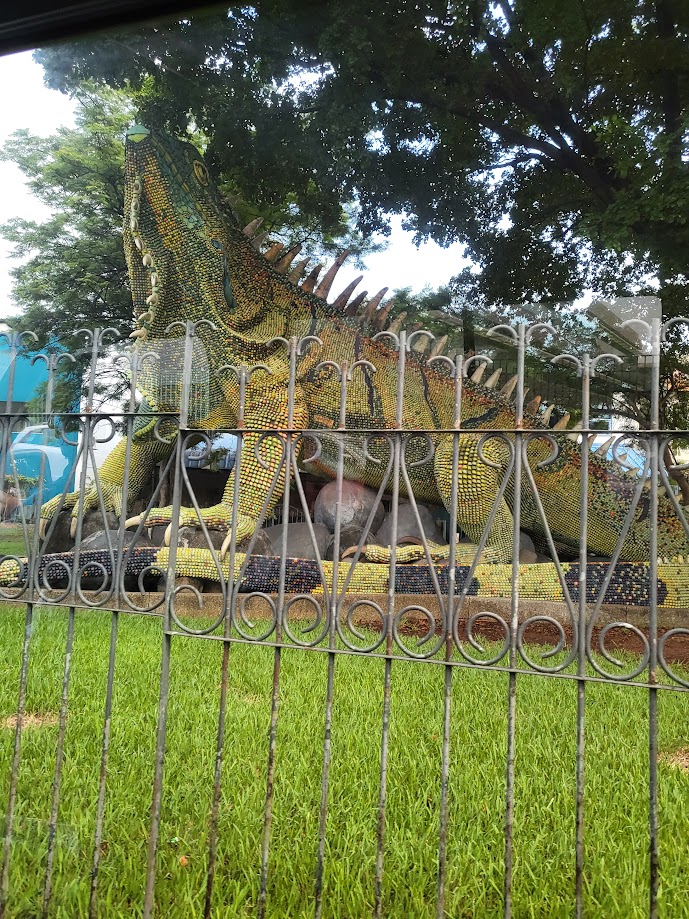
The roughly 2,174-hectare (about 5,400-acre) island is laced with boardwalk trails where you’ll spot iguanas and dozens of bird species. A small eco-village community lives on the island, and its crocodile sanctuary (la cocodrilera) shelters rescued coastal crocodiles in a managed lagoon. Access is typically open from about 8 a.m. to 5 p.m. If Santay’s iguanas leave you hungry for more wildlife, they’re a small taste of what awaits in my guide to the most incredible things to do in the Galapagos Islands.
📍 Why It’s a Hidden Gem: Most visitors never venture across, and those who do tend to walk only the first stretch.
3. Eat Encebollado Where Guayaquileños Eat It
Encebollado, a rich fish-and-yuca stew crowned with pickled onion and chifles, is Guayaquil’s iconic breakfast and legendary hangover cure, and eating it at a no-frills local spot is essential. The most famous temple of local seafood is the gritty Mercado Caraguay, but be aware: it sits in southern Guayaquil, inside the current “Do Not Travel” zone.
📍 The 2026 Play: If Caraguay is on your bucket list, go only at midday, with a local guide or trusted driver, door to door. Otherwise, get an equally soul-warming encebollado at a neighborhood spot in Urdesa or at a branch of Café de Tere, beloved for traditional breakfasts like bolón and tigrillo.

4. Taste Ecuador’s World-Class Chocolate (and Coastal Wine)
Ecuador grows some of the finest cacao on Earth, and Guayaquil is the gateway to it. From chocolate workshops in the city, to wine and chocolate tastings at local restaurants, to cacao farm visits about an hour away, this is one of the most delicious things to do in Guayaquil, Ecuador.
📍 Take a Closer Look: Read Coastal Wine & Cacao in Guayaquil: A Gourmet Trail Few Know About for all the details and options
Guided Cocoa Farm and Chocolate Making
Looking for a guided tour- try this Cocoa Farm and Chocolate Making excursion. This is a 4 hour tour with private transporation included and exploration of a family owned cocoa farm.
5. Sip Slow Coffee in Urdesa
Urdesa is Guayaquil’s leafy, low-key neighborhood of indie coffee shops, bakeries, and boutiques, and it’s one of the safest areas to simply wander. Unlike the high-traffic Malecón, Urdesa gives you a glimpse into the everyday life of Guayaquileños.
📍 Coffee Stops to Try: Sweet & Coffee (yes, they have branches away from the tourist areas) and Café de Tere for a mid-morning bolón.

6. Catch Live Music in Las Peñas (After Dark, Done Smart)
Las Peñas turns into a really neat setting at night with intimate bars tucked into colonial houses, local musicians, and an open-mic spirit with rarely a cover charge. It remains one of the most atmospheric nights out in the city.
📍 How to Do It in 2026: Take an Uber directly to the base of the neighborhood and back; don’t wander the surrounding streets late. Zentro Arte or La Taberna 07 often feature spontaneous music sessions.
7. Spend a Morning at Parque Histórico Guayaquil
Across the river in upscale Samborondón, this riverside park is part wildlife refuge, part restored historic village, and part botanical walk, and entry is free. Boardwalks wind past native animals, and costumed interpreters bring the early-1900s buildings to life on weekends.
📍 Make It a Splurge: The gorgeous boutique Hotel del Parque sits right inside the park’s grounds. Even non-guests can visit its chapel and gardens.
8. Ride the Aerovía Cable Car Over the Guayas River
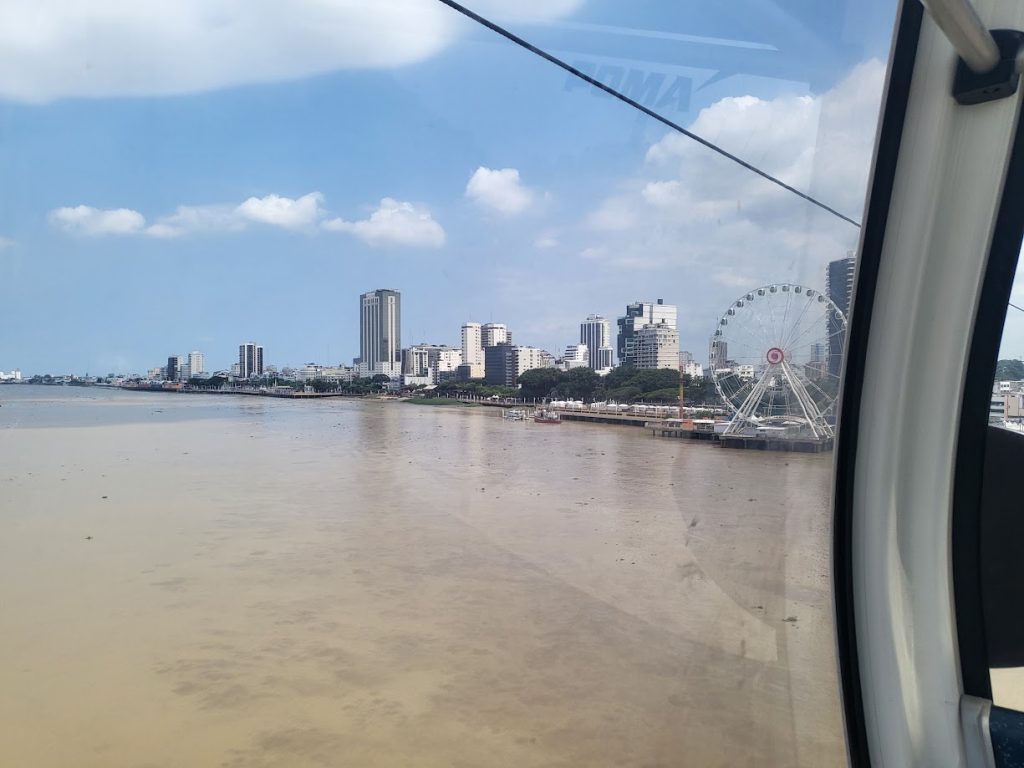
One of the newer unique things to do in Guayaquil, the Aerovía is an urban cable car gliding high above the Guayas River between downtown Guayaquil and Durán. The ride delivers sweeping views of the Malecón, Las Peñas, and the river traffic below for just a few dollars, an unbeatable photo op most tourists don’t know exists.
📍 Insider Tip: Ride it round-trip from the Malecón-area station rather than exploring Durán on the far side, which is currently under its own travel advisory. Go on a clear afternoon for golden light over the river
9. Hike and Birdwatch at Cerro Blanco Protected Forest
Just outside the city lies the Bosque Protector Cerro Blanco, a roughly 15,000-acre tropical dry forest that’s paradise for birdwatchers. It shelters more than 200 bird species, including the endangered great green macaw (the emblem of the reserve), plus howler monkeys if you’re lucky.
📍 Why It’s Unique: The trails are quiet and lightly marked. Arrange your visit and a local guide in advance through the reserve; it’s required for the longer trails, and the guides’ knowledge makes the forest come alive.

10. Take a Day Trip to Playas Villamil or Posorja
These beach towns southwest of Guayaquil offer fresh seafood, working piers, and a boat hop to Isla Puná for an untouched fishing-village vibe: local coastal life without the tourist crowds.
📍 Getting There in 2026: Skip the public buses (see the safety section) and go with a private driver, rental car, or an organized day tour instead
Guided day tour of Posorja
See dolphins, mangroves, and birds on a day trip from Guayaquil to Posorja

11. Watch the Sunset from Puerto Santa Ana’s Riverfront Bars
Just past the Malecón 2000, Puerto Santa Ana is Guayaquil’s sleek, walkable waterfront district: rooftop and riverfront bars, condo towers, and far fewer crowds. A glass of Ecuadorian craft beer as the sky turns pink over the Guayas is the perfect end to a day of exploring.
12. Visit the MAAC (Museo Antropológico y de Arte Contemporáneo)
This riverfront museum sits steps from the Malecón yet gets shockingly little traffic. Its collection spans powerful pre-Columbian artifacts, Afro-Ecuadorian history, and rotating contemporary exhibits.
📍 Bonus: Entry is free, arguably the best-value cultural stop in the city.
13. Build Your Own Daytime Guayaquil Food Crawl
Create a DIY street-food crawl (lunchtime edition). Start with encebollado (see #3), graze grilled corn with cheese from a street cart in Urdesa, and finish with helado de paila, hand-churned ice cream made in a copper pan. It’s one of the tastiest and cheapest things to do in Guayaquil.
📍 2026 Note: Keep the crawl to daylight hours and the northern neighborhoods, the flavors are just as good at noon as at midnight. Want to add a sweet course? Fold in a stop or two from my Guayaquil wine and chocolate trail.
14. Haggle for Handicrafts at the Mercado Artesanal
For hand-woven straw hats (yes, “Panama” hats are Ecuadorian!), tagua-nut jewelry, and hammocks, head to the Mercado Artesanal de Guayaquil downtown, a dense grid of family-run stalls where bargaining is expected and a little Spanish earns real smiles and better prices.
📍 Insider Tip: The famous La Bahía bazaar nearby is legendary for its chaos, but it’s also a pickpocketing hotspot in a rougher pocket of downtown. If you go, go light, go early, and keep valuables at the hotel.
15. Find the Orchids at Guayaquil’s Botanical Garden
Perched on a hill in the city’s north, the Jardín Botánico de Guayaquil is a quiet, blooming escape with one of Ecuador’s loveliest orchid collections, resident parrots and butterflies, and views over the sprawling city below. It’s rarely crowded: the definition of a hidden gem in Guayaquil.
📍 Practical Note: Take an Uber there and back. It’s an easy add-on to an Urdesa morning. The current entry rate is $3 per person.
Where to Stay in Guayaquil (Safe, Central & Worth It)
In 2026, where you stay in Guayaquil matters more than ever. Base yourself in the northern/central corridor (Puerto Santa Ana, the Malecón area, Urdesa, or Samborondón) and choose hotels with taxi dispatchers.
Luxury: Hotel del Parque
This boutique luxury hotel sits inside the tranquil Parque Histórico in Samborondón, an elegant retreat from the city’s bustle with colonial architecture, lush gardens, and river views. It’s the most romantic stay in Guayaquil, full stop.
Mid-Range: Hilton Colón Guayaquil
Hilton Colón Guayaquil– An established hotel with spacious rooms, multiple restaurants, and, importantly right now, a hotel taxi dispatcher, which official guidance specifically recommends using in Guayaquil. Best for travelers who want reliable comfort and easy logistics.
Mid-Range: Wyndham Guayaquil Puerto Santa Ana
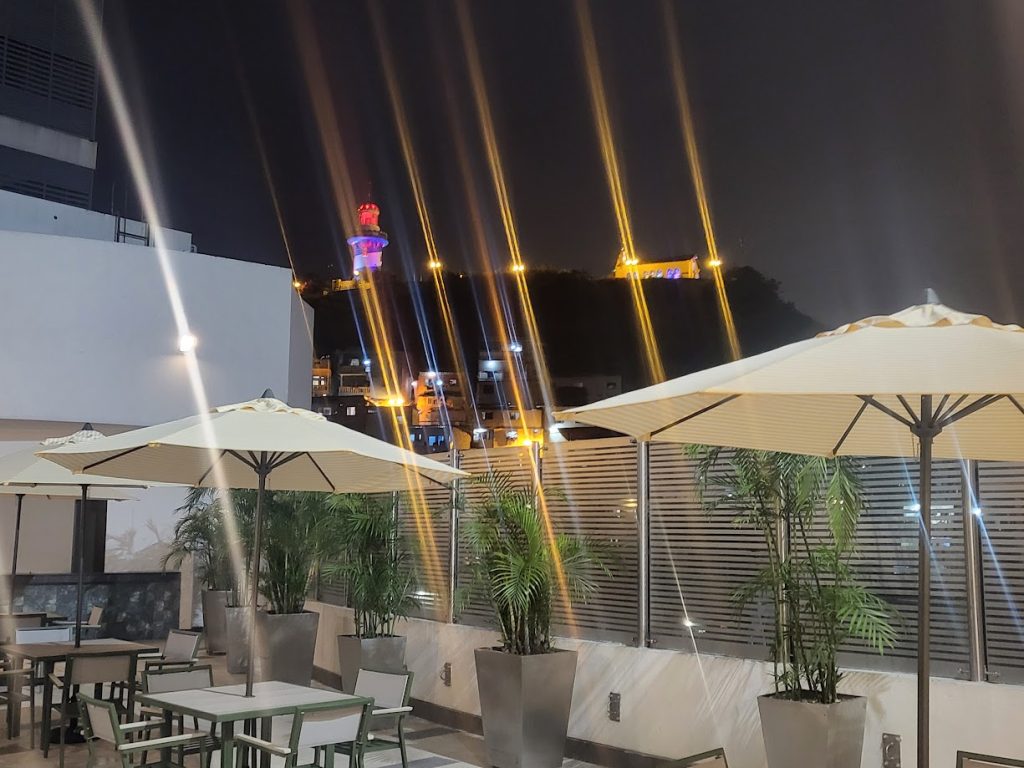
Wyndham Guayaquil Puerto Santa Ana – Modern hotel in the trendy, walkable Puerto Santa Ana district with an upper-floor outdoor pool and panoramic river views. You’re steps from the sunset bars in #11, meaning zero nighttime transit.
What to Pack for Guayaquil
A few things earned their place in my bag on this trip, and they double as natural affiliate placements:
- Anti-theft crossbody bag – lockable zippers, slash-resistant strap; I wore mine everywhere.
- Slim money belt or hidden pouch – passport and backup card stay under your clothes.
- High-DEET insect repellent – essential for Isla Santay and Cerro Blanco.
- Packable sun hat + reef-safe sunscreen – the equatorial sun is no joke, even when it’s overcast.
- Travel insurance – given current advisories, don’t skip it
Guayaquil Travel Tips & FAQ
Is Guayaquil safe for tourists?
It requires real caution right now. Official advisories currently warn against travel to southern Guayaquil and urge heightened caution everywhere else in the city. That said, thousands of travelers pass through safely (mostly en route to the Galápagos) by sticking to the northern tourist corridor, using ride apps or hotel taxis, avoiding public buses, and exploring by day. That’s exactly how I did it in 2024, and I never felt unsafe. Read the safety section above and check the current State Department advisory before booking.
How should I get from the airport to my hotel?
José Joaquín de Olmedo International Airport (GYE) sits only about 15–20 minutes from downtown Guayaquil and the Malecón. The easiest option is a hotel shuttle if yours offers one; call ahead to arrange it. Otherwise, order an Uber from the terminal or use an official airport taxi from the marked stand, and expect the ride downtown to cost only a few dollars. Never hail an unmarked taxi on the street outside the airport.
How do you get around Guayaquil?
Ride apps are the best way to get around Guayaquil in 2026. Uber works well and rides within the city are inexpensive, and hotel-dispatched taxis are a reliable alternative. Skip the public buses and the Metrovía system entirely; they are frequent targets for robbery and are off-limits even to U.S. embassy staff. Within safe zones like the Malecón, Las Peñas, Puerto Santa Ana, and Urdesa, walking during the day is pleasant and practical.
Best time to visit Guayaquil?
June to September is the best time to visit Guayaquil. This is the dry season, when overcast mornings and river breezes keep temperatures in the comfortable 75–85°F range, perfect for biking Isla Santay, beach day trips to Playas, and exploring on foot. December to April is the hot, humid rainy season, with afternoon downpours and steamier nights, though it’s also when the surrounding landscapes are greenest.
What food is Guayaquil famous for?
Guayaquil is famous for encebollado, a rich fish-and-yuca stew topped with pickled onions that locals eat for breakfast and swear by as a hangover cure. Beyond that, don’t leave without trying bolón de verde (a fried green-plantain dumpling stuffed with cheese or pork), tigrillo, fresh ceviche, a messy-and-glorious cangrejada (crab feast), and helado de paila, ice cream hand-churned in a copper pan. See #3 and #13 above for where to try them safely.
How many days do you need in Guayaquil?
Two to three days is ideal for Guayaquil; that’s enough to cover this list comfortably. If you only have a one-day layover en route to the Galápagos, prioritize Las Peñas, the Malecón 2000 and MAAC, and an afternoon at Parque Histórico. For a full day-by-day plan, see my 72 Hours in Guayaquil itinerary.
Is Guayaquil worth visiting?
Yes, Guayaquil is worth visiting for one to three days, especially if you’re already flying through en route to the Galápagos Islands. It’s not a colonial showpiece like Quito or Cuenca. Its appeal is local and you’ll see riverfront life, hillside color in Las Peñas, island eco-adventures, and some of Ecuador’s best coastal food. Travelers who skip it entirely miss the country’s most authentic big-city energy. Just plan around the current safety guidance in this guide.
Do people speak English in Guayaquil?
English is limited in Guayaquil outside of hotels, the airport, and tour operators. Basic Spanish phrases go a long way at markets, cafés, and with taxi drivers, and locals warmly appreciate the effort. Download Google Translate’s offline Spanish pack before you arrive and you’ll manage just fine. I used this to communicate with my Uber driver.
Wrapping Things Up: Your Guayaquil Adventure Awaits Beyond the Tourist Trail
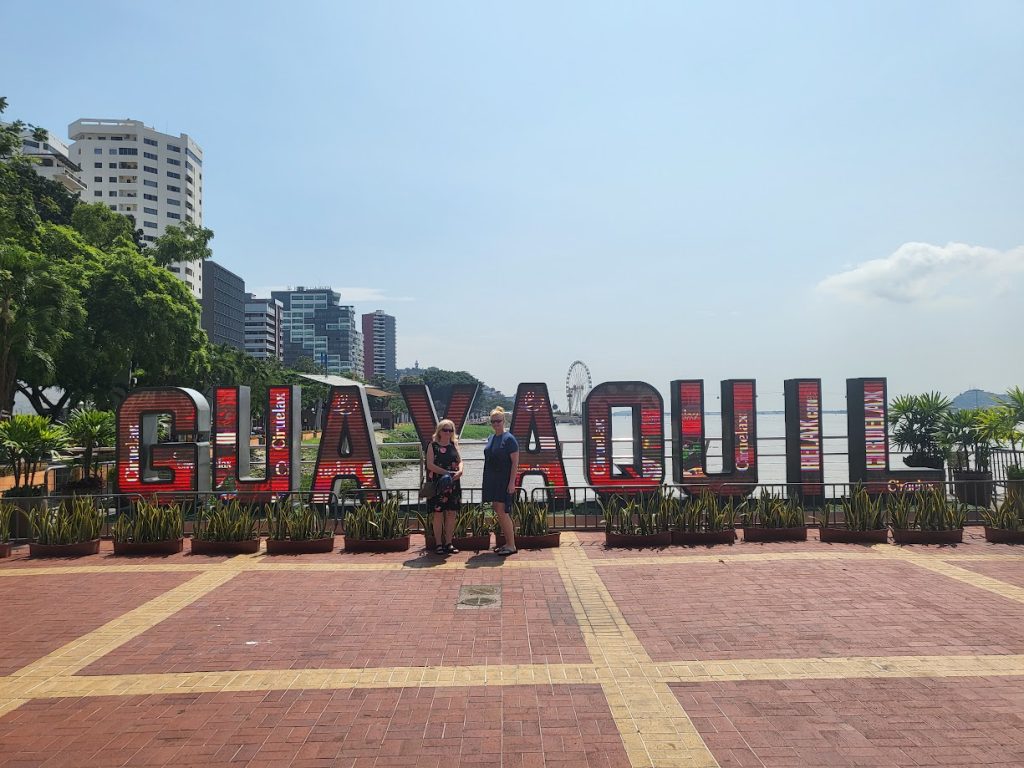
Guayaquil offers so much more than a stroll down the Malecón. From sunrise on the painted stairs of Las Peñas and cable-car views over the Guayas River to encebollado, orchids, and dry-forest birdwatching, these unique things to do in Guayaquil reveal the true spirit of Ecuador’s largest city, even in a moment that demands smarter, more intentional travel.
Travel with your eyes open: stick to the corridors locals recommend, spend your money with small businesses, and Guayaquil will show you a side of Ecuador most visitors fly right past on their way to the Galapagos Islands.
Continue Exploring the Region:
🍷Coastal Wine & Cacao in Guayaquil
🦜 72 Hours in Guayaquil: An Itinerary for Romantic, Offbeat Explorers
🐢15 Incredible Things to Do in the Galapagos Islands (That Will Leave You in Awe)
