
The Best Time to Visit Charleston, SC (From Someone Who Lives Here)
Wandering Everywhere contains affiliate links and is a member of Amazon Services LLC Associates Program. If you make a purchase using one of our links, we may receive compensation from the company at no additional cost to you. Read our disclaimer here.
Ask ten locals about the best time to visit Charleston and you’ll get a few different answers. Ask me, and I won’t hesitate to tell you, early October. After living here and watching visitors sweat through August walking tours and squeeze onto packed summer beaches, I can tell you that the first weeks of fall are when Charleston, South Carolina is at its absolute best.
Most guides you will find online will tell you the best times to visit Charleston are spring or fall, and they’re not wrong. But “spring or fall” is a six-month window, and the difference between early March and mid-April, or September and late November, is bigger than you’d think. The “best” time also depends on what kind of trip you’re planning. A beach vacation or a historic downtown getaway call for very different months. So without any more preamble, here’s my honest, season-by-season breakdown, including the exact months I’d pick, so you can find the right window for your trip.
The Short Answer: Early October Is the Best Time to Visit Charleston
If you want the best of everything the Holy City has to offer, come in early October. Here’s why:
It’s still warm, and so is the ocean.
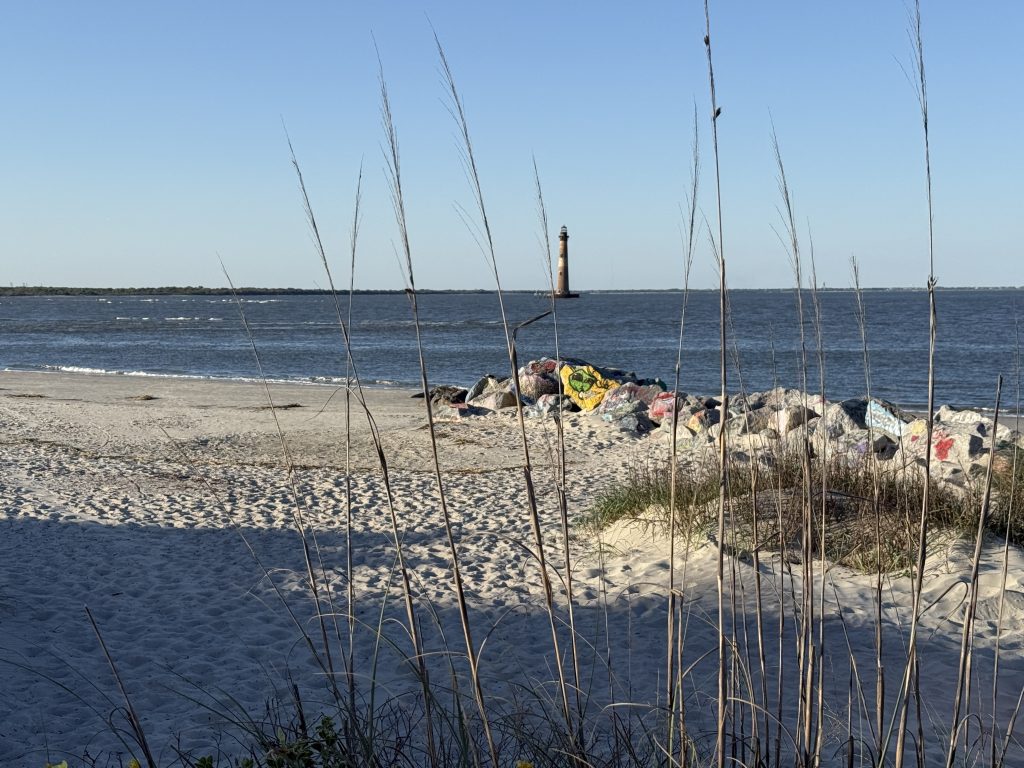
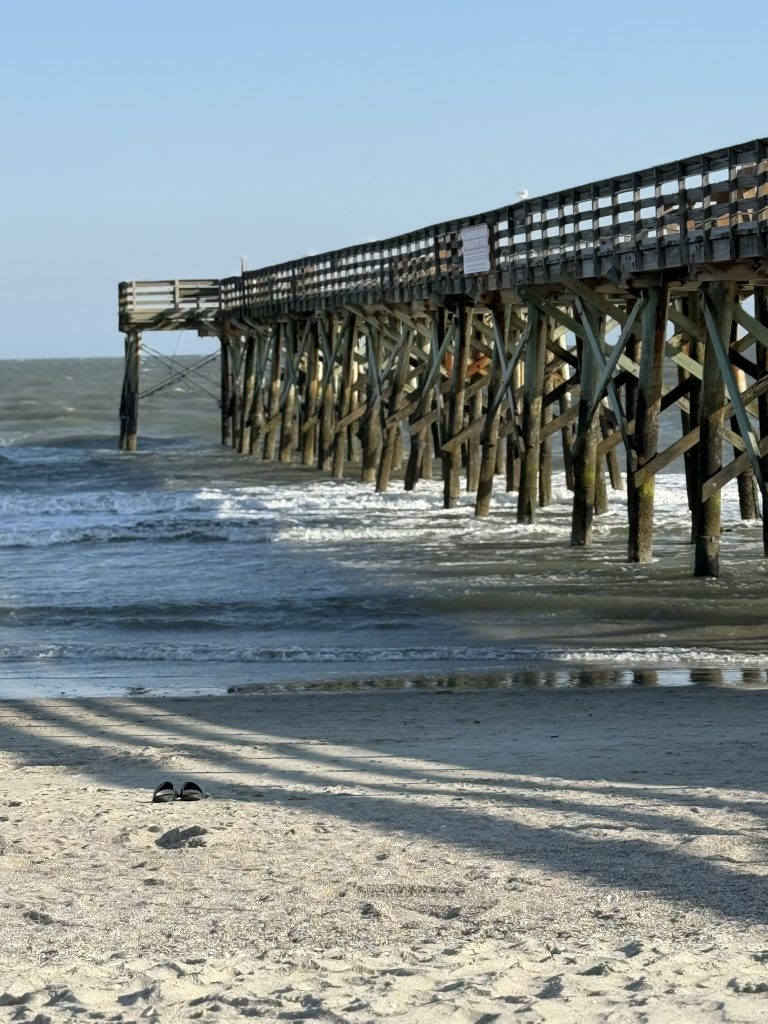
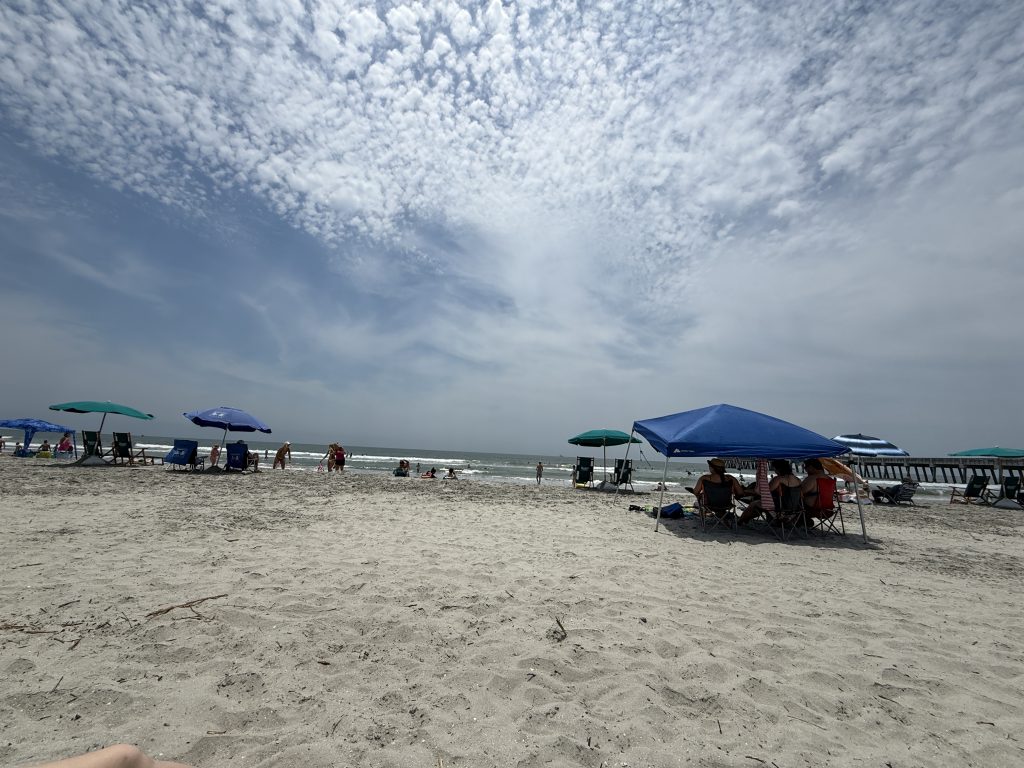
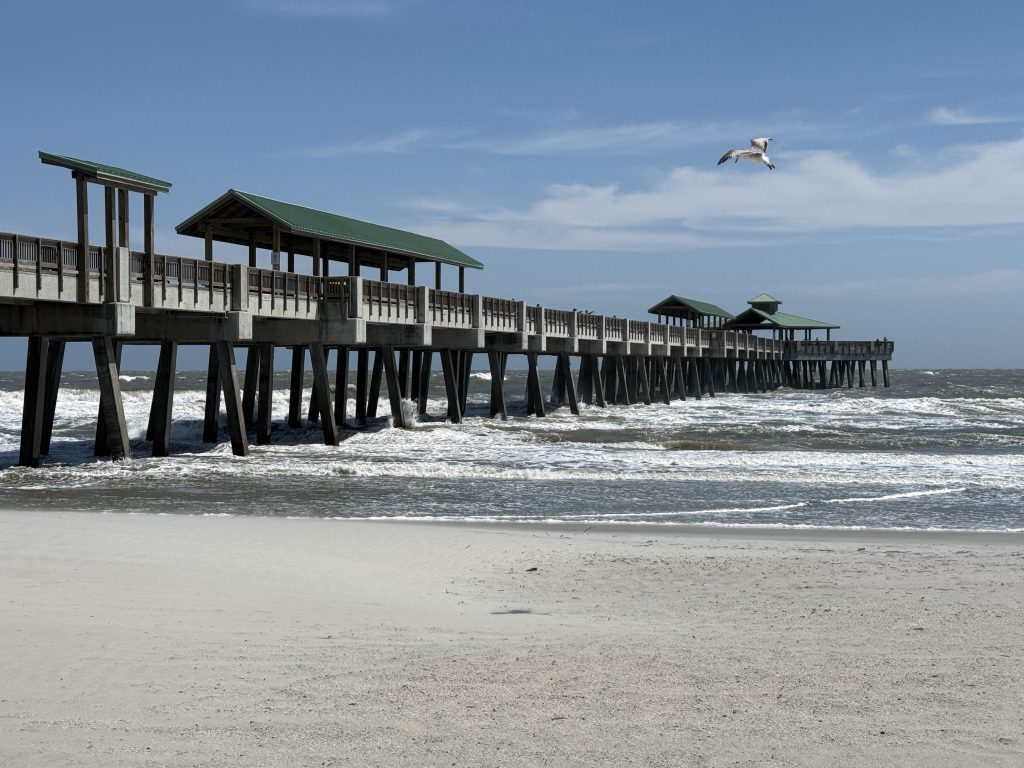
The days are comfortably warm, and the Atlantic holds onto its summer heat well into fall, so the water is still warm enough for swimming. You get beach weather at Folly Beach, Sullivan’s Island, and Isle of Palms without the crowds of beach season.
The summer crowds have disappeared.
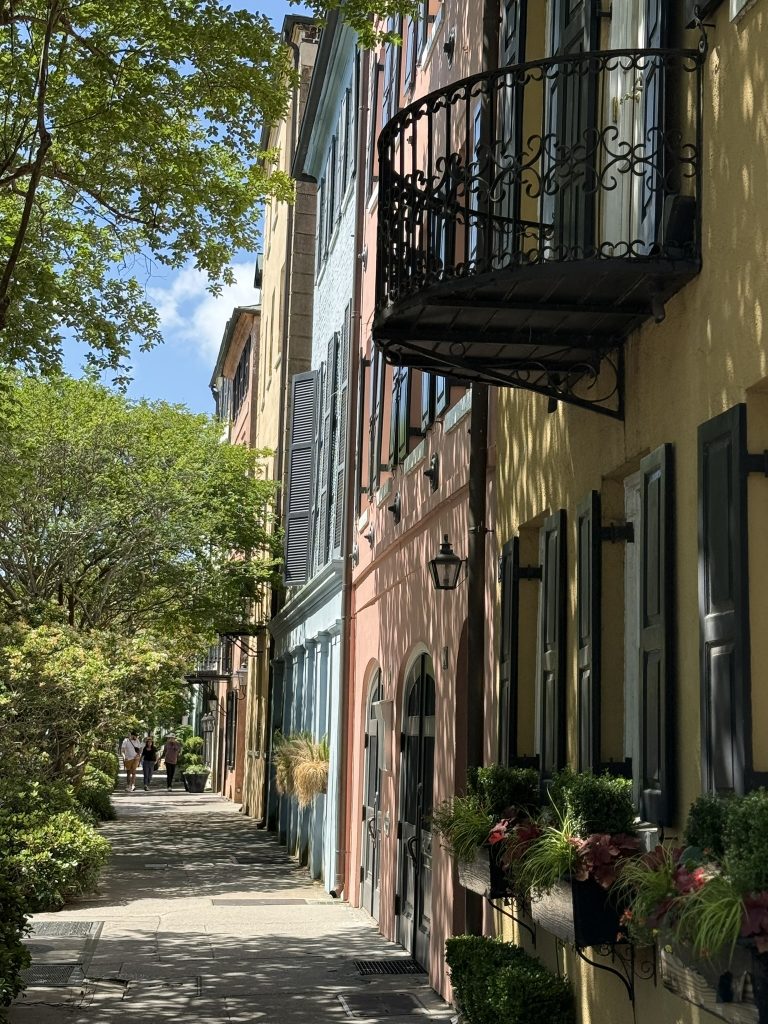
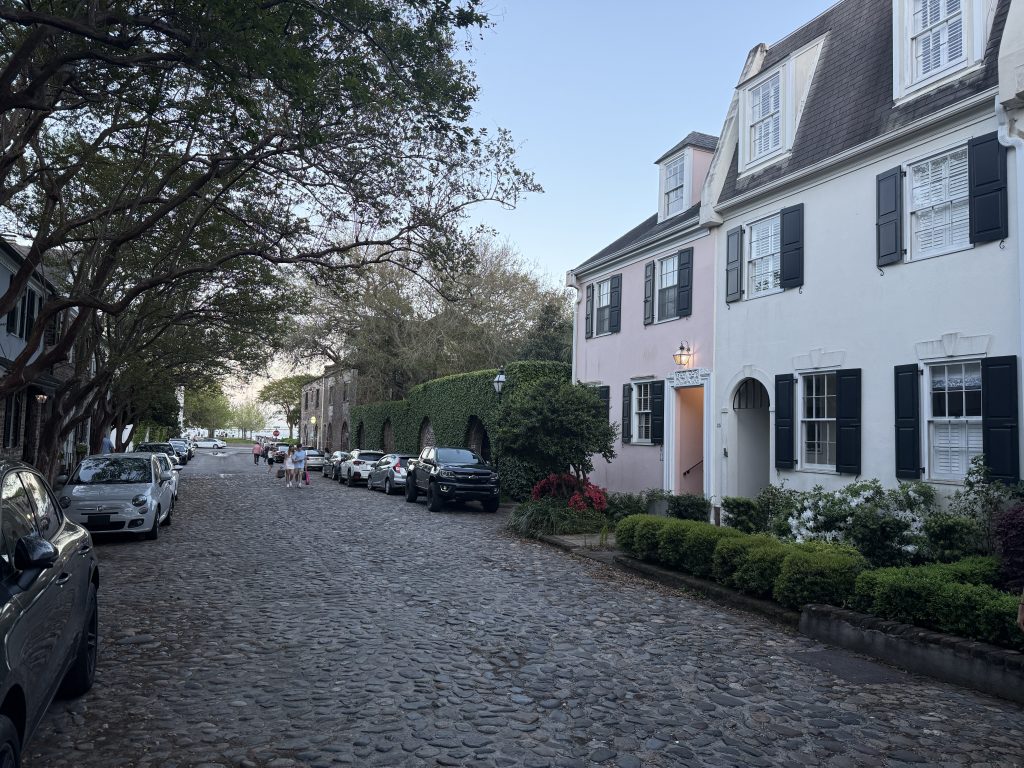
The huge crowds that pack the city from June through August have dissipated by October. You can actually stroll the Battery, get a table at the restaurants you’ve read about, and take photos on Rainbow Row without a dozen strangers in the frame. I won’t say that you won’t run into crowds, because you might, but they will definitly be smaller then what you would have found over the summer months. If you’re building your first trip list, start with my top things to do in Charleston.
The humidity finally breaks.
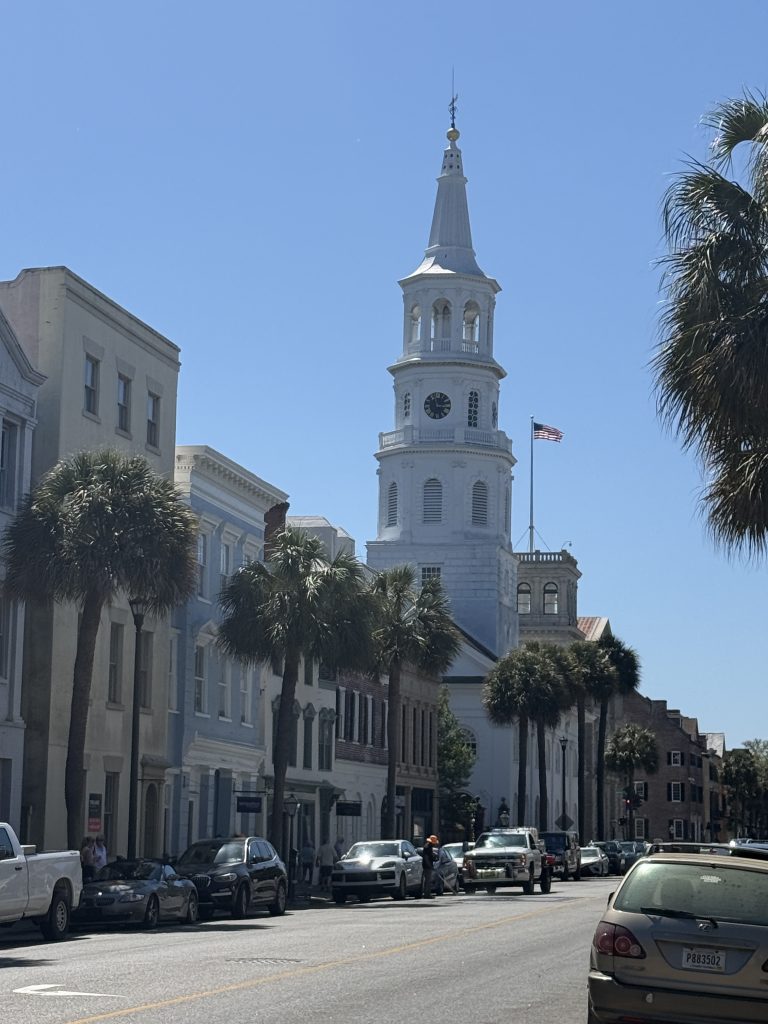
Anyone who has visited Charleston in summer knows the humidity is the real challenge. By early October, it has died down, and walking the historic district becomes a pleasure instead of an endurance test. This is prime weather for walking tours, carriage rides, and long afternoons exploring historic downtown Charleston.
The nights cool off without getting cold.
Evenings start to cool down to a genuinely comfortable temperature, with daytime highs typically in the 70s. It’s perfect for rooftop bars, waterfront dinners, and evening strolls, and you won’t need more than a light layer. It’s also perfect dog weather, so if you’re traveling with your pup, this is the month I’d point you to my guide to dog-friendly Charleston.
The sunsets are unbeatable.
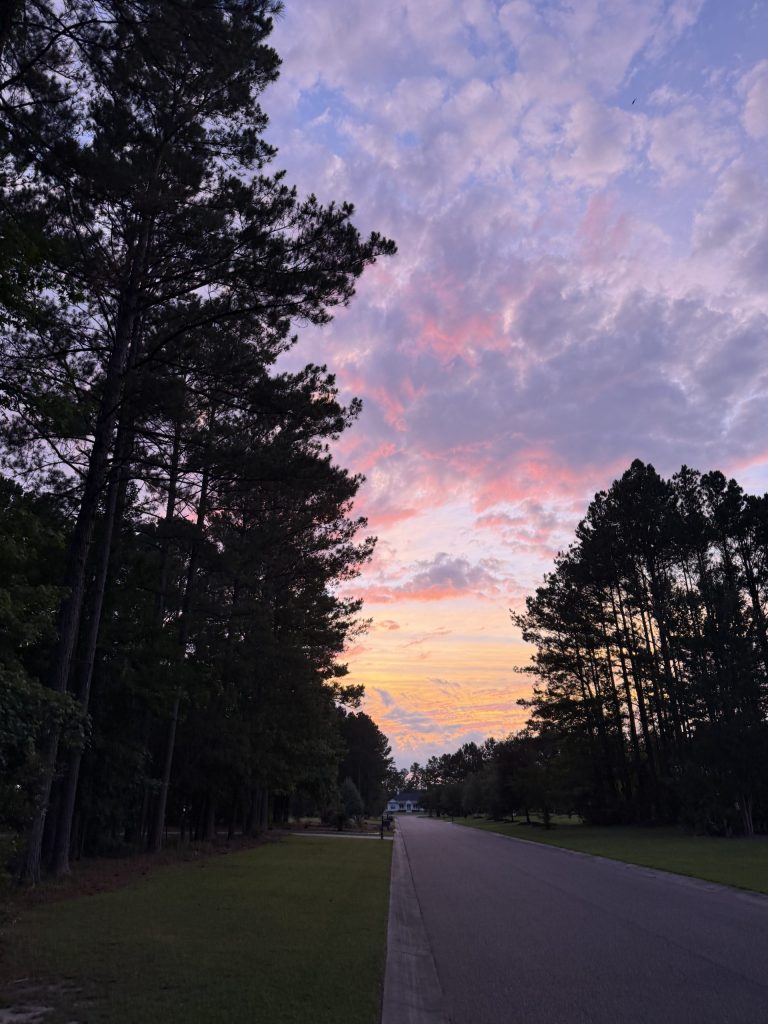
This is the time of year we usually get our best, most colorful sunsets. If you’ve seen those glowing photos over the Ashley River or the Ravenel Bridge, chances are they were taken in fall. Plan at least one evening at a west-facing spot on the water, or better yet, book a sunset cruise on Charleston Harbor and watch the show from the water. You won’t regret it. Visiting with your significant other? My fall date guide for couples is built around evenings exactly like these.
Fall is technically still part of Charleston’s peak tourist season, so book your hotel early. You can check hotel availability and rates for October here; the closer you get to fall, the harder the good downtown spots are to find. But the crowds are noticeably thinner than spring, and the weather is as good as it gets.
Best Time to Visit Charleston in the Spring: March
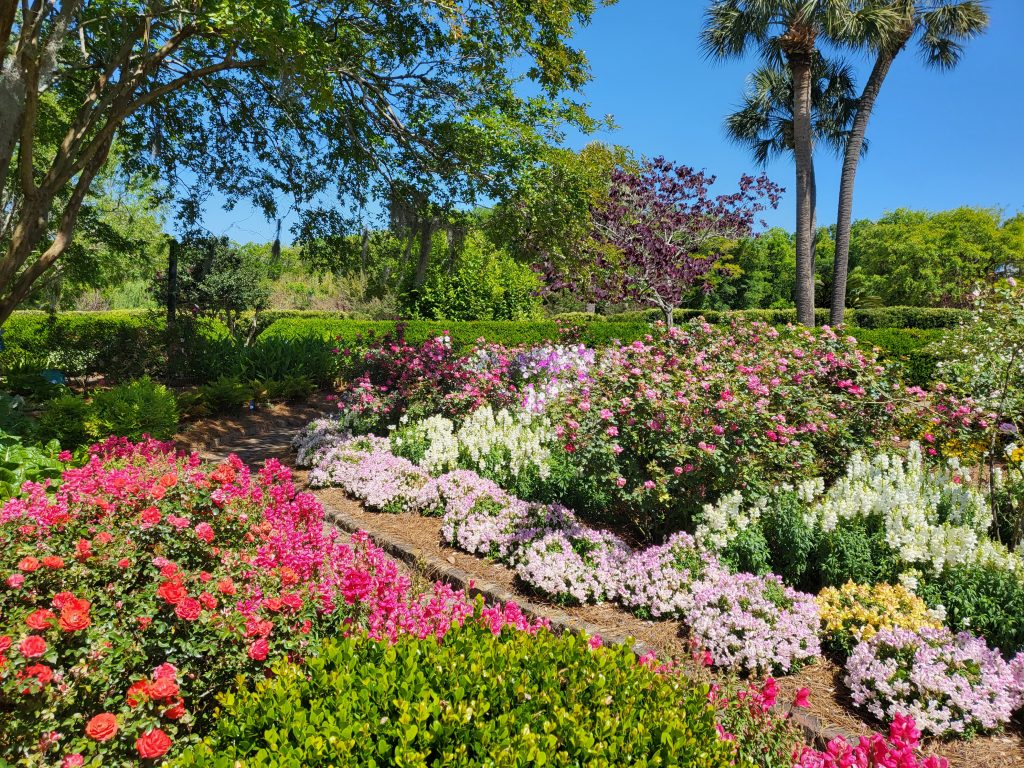
Spring is my second-favorite time to visit Charleston, SC, and my sweet spot is March, when the flowers start to bloom. Charleston is famous for its gardens and flower-draped streets, and early spring is when that reputation is earned. You’ll see azaleas, camellias, wisteria, and blooming window boxes all over the historic district. This is the season to book a plantation and gardens tour before the heat arrives. And for a bloom-season day trip, Cypress Gardens is the most magical spot within an easy drive of the city. It’s also festival season, with the Charleston Wine + Food Festival in March and the Festival of Houses and Gardens opening private homes and gardens to visitors as spring peaks.
One important caveat, the heat and humidity arrive earlier than you’d think. By the beginning of April, it generally starts getting hot and humid. Spring is also Charleston’s peak season, which means the highest hotel rates of the year and the biggest non-summer crowds, especially around Easter (spring break). If a comfortable garden-and-history trip is your goal, aim for March into early April, book well ahead, and consider a midweek visit to dodge the weekend rush. Planning around school holidays? Here’s my full guide to spring break in Charleston.
Best Time to Visit Charleston in the Summer: For Beach Trips Only
Here’s where I have to be honest with you, summer is the best time to visit Charleston only if you plan to spend the majority of your time at the beach on on the water.
If a beach vacation is the goal (Folly Beach, Isle of Palms, Sullivan’s Island), summer delivers the warmest ocean water and the classic beach-town atmosphere. Just know what comes with it:
- The biggest crowds of the year, especially at the beaches
- The highest temperatures and humidity Charleston sees, with highs regularly in the 90s with heat index in the 100’s through July and August
- Daily afternoon storms. Most afternoons, a storm rolls in for about an hour, so plan your beach time around it and keep a backup indoor plan handy (my list of things to do in Charleston when it’s too hot outside exists for exactly these hours).
What summer is not good for is exploring historic Charleston. The heat and humidity get to you quickly on those charming but shadeless cobblestone streets, and a walking tour in July can feel more like a workout than a vacation. If history, architecture, and the food scene are the heart of your trip, pick another season. And if summer is your only option, June is kinder than July and August, and August is Charleston’s rainiest month. Whichever month you land on, pack smart. Here’s what to pack for Charleston in the summer so you don’t melt.
Best Time to Visit Charleston in December: Holiday Lights and Comfortable Weather
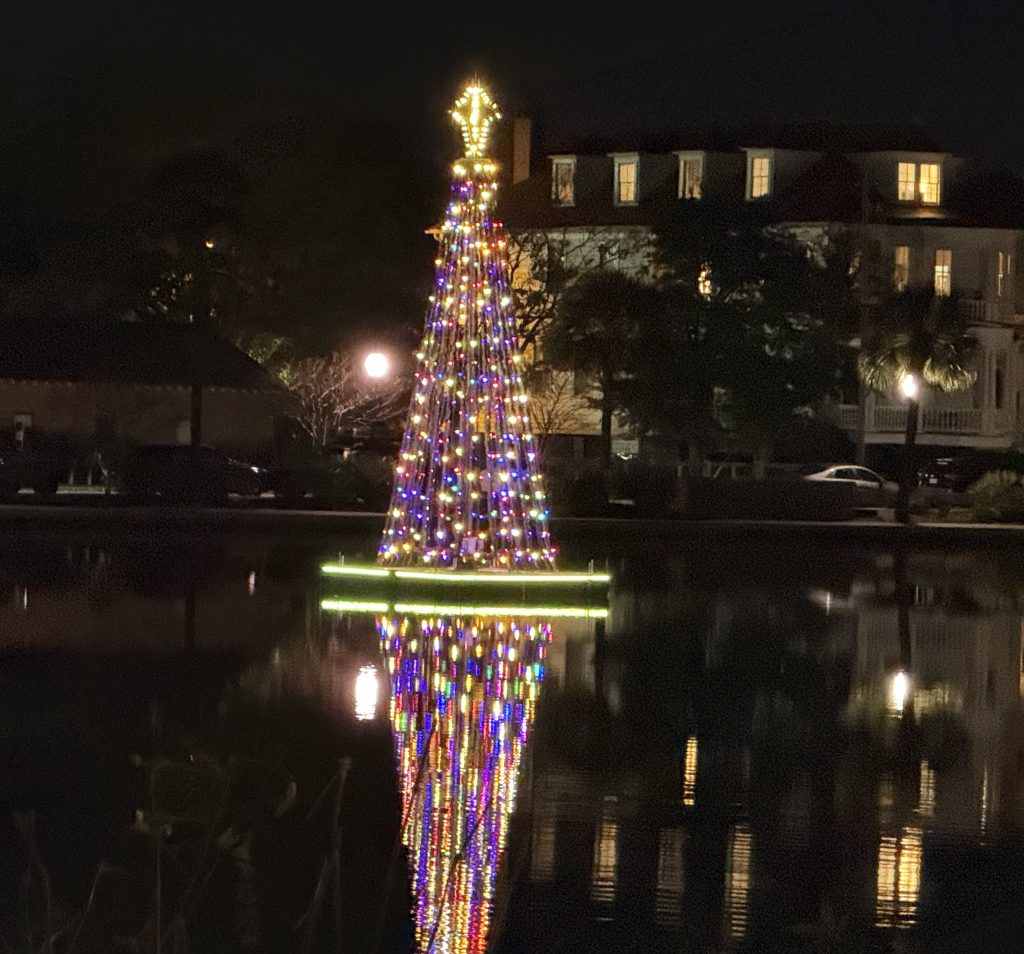
December is one of Charleston’s most underrated months. The temperatures are comfortable for walking downtown, and the city dresses up beautifully for the season. The Christmas displays alone are worth the trip. December in Charleston is the best time to see decorated historic homes with wreaths and garland on every piazza, holiday window shopping along King Street, and the Holiday Festival of Lights on James Island. For the full rundown, see my guide to the best Christmas events in Charleston, and couples should bookmark my Christmas date ideas too. December is also a wonderful month for a guided walking tour of the historic district, since you can take in the decorations while learning the city’s history.
The one downside is that December has the shortest daylight of the year. You’ll want to plan your sightseeing efficiently and embrace the early evenings, which, conveniently, is exactly when the holiday lights come on.
Visiting Charleston in January and February: The Cheapest Time to Visit
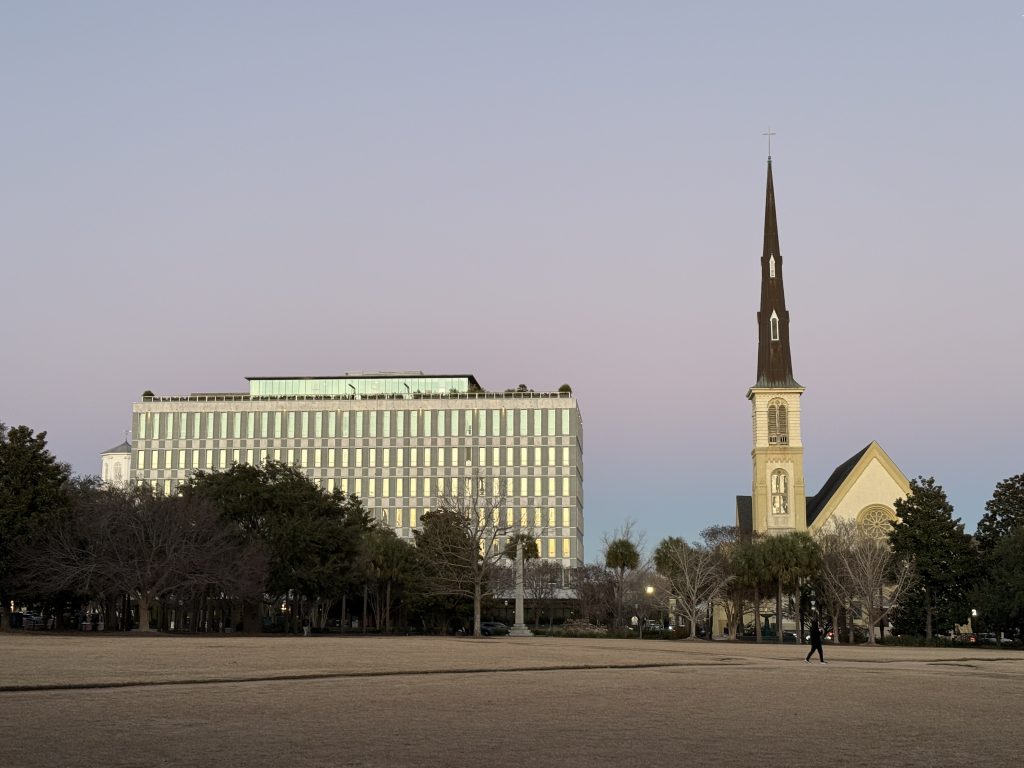
The deep off-season months are perfectly okay, and even underrated for the right traveler. The weather is usually pleasant for touring historic downtown Charleston, hotel rates are at their lowest of the year. If you’re looking to visit Charleston on a budget, this is your window; compare winter hotel rates here and you’ll see downtown rooms at prices that would be unthinkable in April. Pair those savings with my list of free and almost-free things to do in Charleston and you have a genuinely affordable getaway.
The trade-off is that most of the flowers Charleston is known for aren’t out yet. The big exception (and it’s a wonderful one) is the camellias, which generally bloom from mid-November through April. Magnolia Plantation and Gardens has an exceptional camellia collection, and seeing it in peak winter bloom is one of Charleston’s best-kept secrets.
One more off-season note, most attractions, restaurants, and shops stay open year-round, but beachfront stores may keep limited hours, so check ahead if a beach town outing is on your list. It’s also worth noting that there’s a mini-surge of visitors around Valentine’s Day, thanks to Charleston’s reputation as one of America’s most romantic cities as well as SEWE festival, which is held the second weekend of February.
Quick Guide: The Best Times to Visit Charleston by Trip Type
| If you want… | Come in… |
|---|---|
| The best all-around experience | Early October |
| Blooming gardens and flower-lined streets | March (before mid-April humidity) |
| A beach-focused vacation | Summer (expect crowds, heat, and afternoon storms) |
| Holiday lights and comfortable touring weather | December |
| The cheapest hotel rates and camellias in bloom | January and February |
Frequently Asked Questions About The Best Time to Visit Charleston
Should I worry about hurricane season?
This is probably the most common question people ask before booking, and the honest answer is that you should be aware of it, but don’t let it scare you off. Atlantic hurricane season officially runs June 1 through November 30, with the peak historically falling in late August and September. The good news is that hurricanes are no longer surprise events. They’re tracked for days in advance, so you’ll have plenty of warning, and most seasons pass without a storm affecting a Charleston vacation at all. If you’re booking a fall trip, the smart move is simple, buy refundable rates or a travel insurance policy that covers weather disruptions, keep an eye on the forecast the week before, and enjoy what is otherwise the best stretch of weather Charleston has all year.
Is summer really too hot to visit Charleston?
If your plan is beach-first, no. The ocean is at its warmest and the beach towns are in full swing. If your plan is walking tours, historic homes, and long afternoons downtown, July and August heat and humidity will wear you down fast, and you’ll find yourself planning your day around air conditioning. Visitors who do come in summer should tour in the morning or after dark, take a midday break, and expect that hour-long afternoon storm most days.
When is the cheapest time to visit Charleston?
Generally the deep off-season, January and February, when hotel rates drop and the city is quietest. Late summer (July into early September) can also bring deals because of the heat and hurricane-season perception. The trade-off in winter is fewer blooms and shorter days. The trade-off in late summer is the weather itself. Whatever the season, midweek stays are consistently cheaper than weekends in Charleston.
When do the famous flowers bloom in Charleston?
The show starts in March, when azaleas, camellias, and wisteria bring the historic district and the plantation gardens to life. It builds through early April before the heat arrives. And don’t overlook winter when camellias bloom from roughly mid-November through April, and the collection at Magnolia Plantation and Gardens is exceptional even in January.
Is the ocean warm enough to swim in the spring and fall?
The Atlantic here lags behind the air temperature. In spring, the air warms up before the water does, so April can feel beach-worthy while the ocean is still brisk, depending on what your expectations of “warm enough” are. In April, the water temperture at the beach usually starts out in the mid 60’s and reaches the mid 70’s by the end of April. The water typically becomes comfortable for most people by May. In the heart of the summer, some visitors will find that the ocean is “too warm”. The ocean can get into the high 80s in July and August. In fall it works in your favor because the ocean holds its summer warmth, and early October water is still pleasant for swimming even as the crowds vanish.
What about September? It seems like a shoulder month.
Early September still feels like summer. It is hot, humid, and squarely in the peak of hurricane season. Things begin turning later in the month, and by the end of September you’re on the doorstep of that early-October sweet spot. If you can push a September trip a few weeks later, do it.
Do things close in the Charleston off-season?
Downtown Charleston runs year-round where the restaurants, historic homes, museums, and tours all stay open through winter. The main exception is out at the beaches, where beachfront shops and some seasonal businesses keep limited hours. If a specific beach-town restaurant or rental is important to your winter trip, check their hours before you go. Anytime of year you go, if there are key-places you want to go, check their websites before you visit. Most attractions are open every day of the week year round (some are closed on Thanksgiving and or Christmas). Some stores and restaurants are closed one or two days a week, commonly on Mondays.
How many days do I need in Charleston?
Three full days is the sweet spot for a first visit: one for the historic district and a walking or carriage tour, one for a plantation or garden plus a harbor outing, and one for the beach or Sullivan’s Island and Mount Pleasant. Add a fourth day if you want a proper beach day on top of the sightseeing, which is easy to justify in early October when the water is still warm. If you’d rather have it mapped out, my 3-day Charleston itinerary follows this exact structure, and my guide to where to stay in Charleston covers which neighborhoods put you closest to everything.
The Bottom Line: When to Visit Charleston
There’s really no bad time to visit Charleston, but there’s definitely a best time. For warm days, a swimmable ocean, thin crowds, low humidity, comfortable evenings, and the most colorful sunsets of the year, early October is the time to book. Spring (especially March) is a beautiful runner-up before the peak-season crowds and mid-April humidity arrive, summer belongs to beach lovers, and winter is best for travelers who like their historic cities quiet, affordable, and dotted with camellias.
Whenever you come, Charleston will be ready for you. And if this is your first trip, read my 10 things to know before visiting Charleston next. But if you can swing that first week or two of October? That’s when you’ll see the city the way we locals love it most!
>>More Charleston Travel Guides You’ll Love
