
10 Things to Know Before Visiting Charleston for the First Time
I came to Charleston for the summer in 2002, intending to stay just those few months. Twenty-four years later, I’m still here.
That isn’t how I planned it, of course. But the beauty and the uniqueness of this place keep pulling me back. Sure, there have been moments, stuck in bridge traffic or stepping outside into what feels like a sauna, when I’ve thought about leaving. Something always reels me back to the better side of things.
So consider this the honest version, not the one written for a brochure. These are real notes from someone who fell for Charleston: the wonderful, the unexpected, and the stuff nobody warns you about until you’re already sweating through your shirt on King Street. Here are ten things to know before your first visit.
1. “Charleston” Means Different Things to Different People
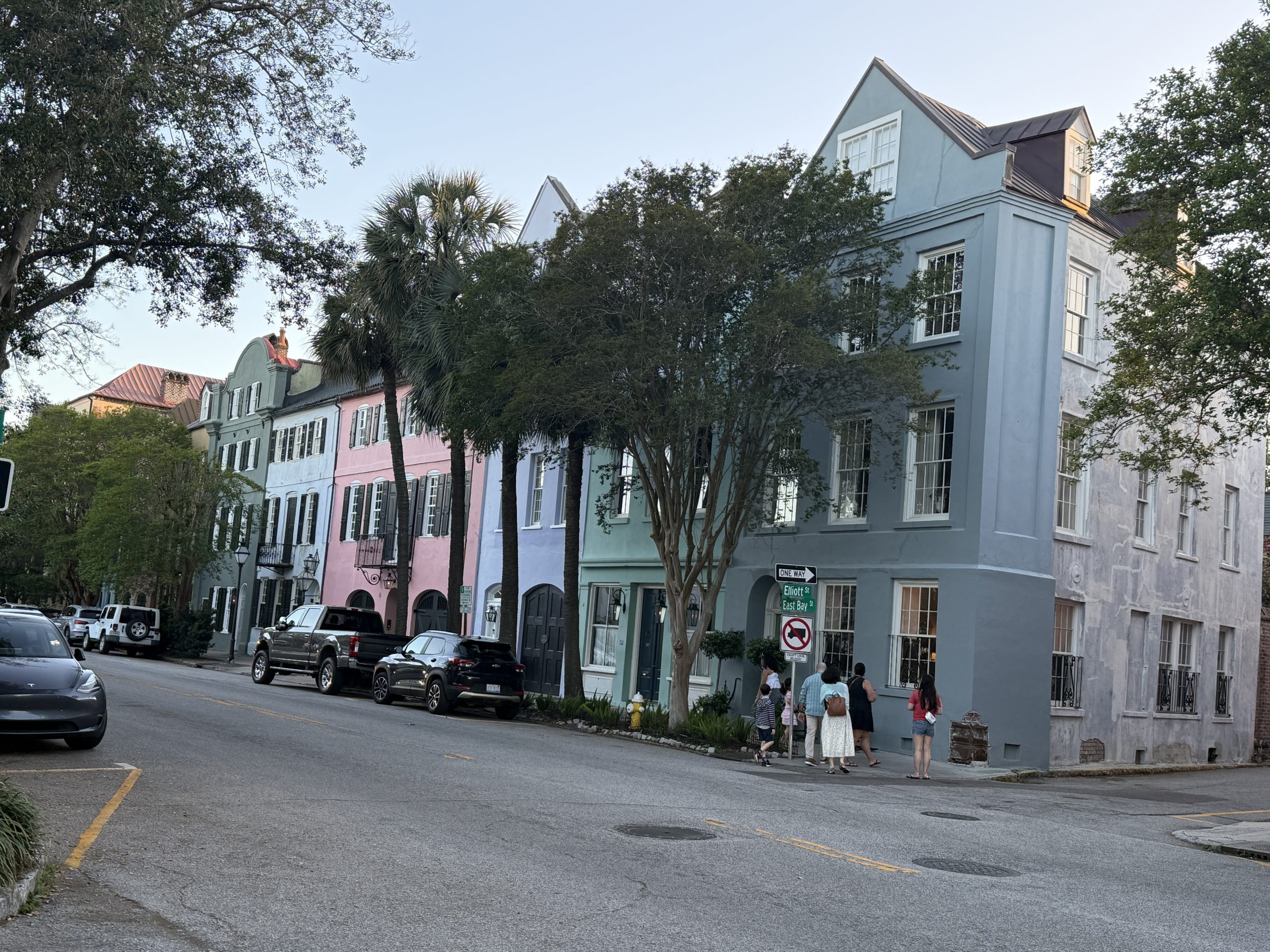
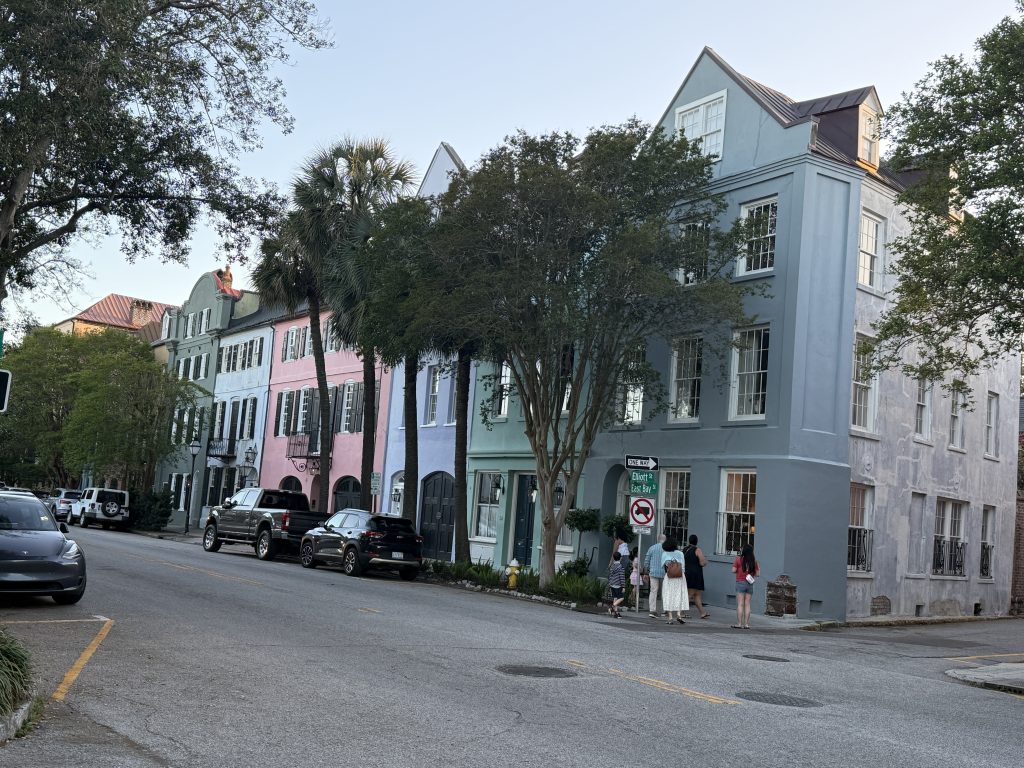
This is the big one, so it goes first. When a travel article gushes about “Charleston,” it almost always means the historic downtown peninsula including Rainbow Row, The Battery, the cobblestones and gaslights, and the City Market. But locals use “Charleston” to mean the whole sprawling region of West Ashley (technically Charleston), James Island, North Charleston, Mount Pleasant, the beaches, and everything in between.
Why does it matter? Because the charming, walkable, fairy-tale Charleston you’ve seen on Instagram is a fairly small footprint. Set your expectations accordingly, and plan around the fact that “Charleston” is both a postcard and a metro area.
2. Summer Is Long and Hot, and the Humidity Is a Whole Other Animal
Yes, it gets hot. But it’s the humidity that catches first-timers off guard. From roughly May through September, stepping outside can feel like walking into a warm, wet towel. Sightseeing in the middle of a July afternoon is a genuine endurance event.
My recommendation is to visit during shoulder season. If you can’t do that, the next best thing is to go outside early or go late. Mornings and evenings are gorgeous and easier to handle. Midday is for a long lunch, a museum, or anything with air conditioning. Bring water, wear breathable clothes, and don’t overpack your daytime schedule.
3. The Bugs Are Real, So Pack the Bug Spray
Nobody puts this in the brochure, so I will. The insects can be brutal. At the beach, the no-see-ums (tiny biting midges you can barely spot) will find you, especially around sunset. Inland and anywhere near the marsh, the mosquitoes are relentless in the warmer months.
Bring repellent and use it, even if you don’t think you’re going to need it. Your future self, not covered in itchy welts, will thank you.
4. You Can’t Do It All From Downtown
There’s more than enough to fill several days in historic downtown alone. But some of the area’s best experiences like the beaches, the gardens, and the former plantation sites along the Ashley River and are simply not reachable on foot from the peninsula. They require a real drive, sometimes 30 to 45 minutes or more.
If beaches and gardens are high on your list, build a car (or a rideshare budget, or a tour) into your plan from the start. Trying to squeeze them in on a whim from a downtown hotel is how good itineraries fall apart.

5. The Traffic Can Be Brutal and Public Transit Won’t Rescue You
Charleston traffic is genuinely bad, and it’s getting worse as the area grows. Bridges, bottlenecks, and beach-bound weekend crowds can turn a short hop into a long crawl. The drive to the beach on a sunny Saturday is nothing short of a test on your patients.
Public transportation, frankly, has a lot of room to grow, particularly once you leave the downtown core. The free DASH trolley is handy within the historic district, but don’t count on transit to get you out to the beaches or the suburbs efficiently. Plan extra time, and avoid driving into downtown during morning rush hour, and out of downtown or across the bridges during afternoon/evening rush hour. Otherwise your 30 minute drive will automatically double in time.
6. Parking Downtown Is a Menace
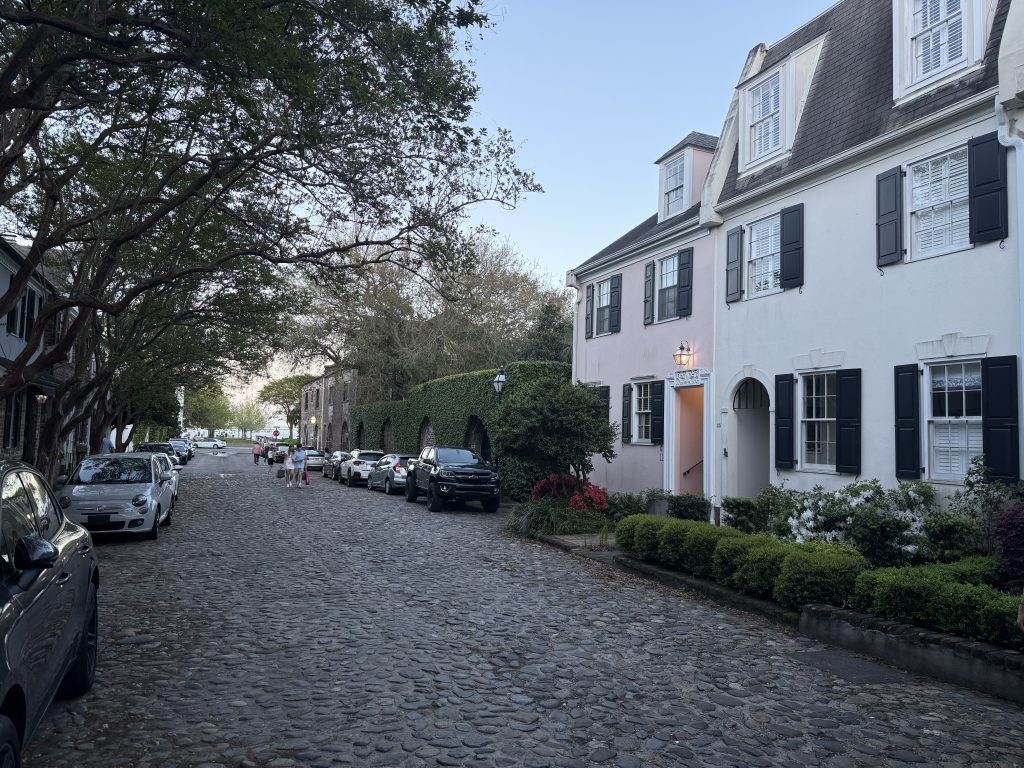
Charming historic streets were not designed for everyone’s SUV. Street parking is scarce and metered and garages exist but fill up and add up. During festivals and busy weekends, it can feel like a full-contact sport.
A word of advice is to use a garage and leave the car there to explore on foot, since downtown is wonderfully walkable once you’re parked. And if you’re staying downtown, you may not need to move (or bring) the car much at all.
7. It’s Pricier Than You’d Expect
For a mid-sized city, Charleston can hit your wallet harder than you’d guess, particularly when it comes to food and drinks. That celebrated restaurant scene is real, and it’s wonderful, but a nice dinner and a couple of craft cocktails can run more than you’d pay in a comparable city elsewhere.
None of that means you can’t do Charleston affordably. There’s great casual food and plenty of free, beautiful wandering. Just go in with realistic numbers so the bill doesn’t ambush you.
8. The Crowds Can Be a Lot
Charleston’s popularity is well earned, but it also means that, at peak times, there are simply too many people in spaces that weren’t built to hold them. Walking down King Street during spring break, squeezing through a major festival, or trying to get into a beloved cafe or restaurant that doesn’t take reservations will all test your patience.
The fix is mostly about timing. Visit in the shoulder seasons (early spring before the rush, or fall), eat early or off-peak, and check the events calendar before you book so you know whether you’re arriving into a quiet week or a packed one.
9. The History and Charm Are Genuinely Unmatched
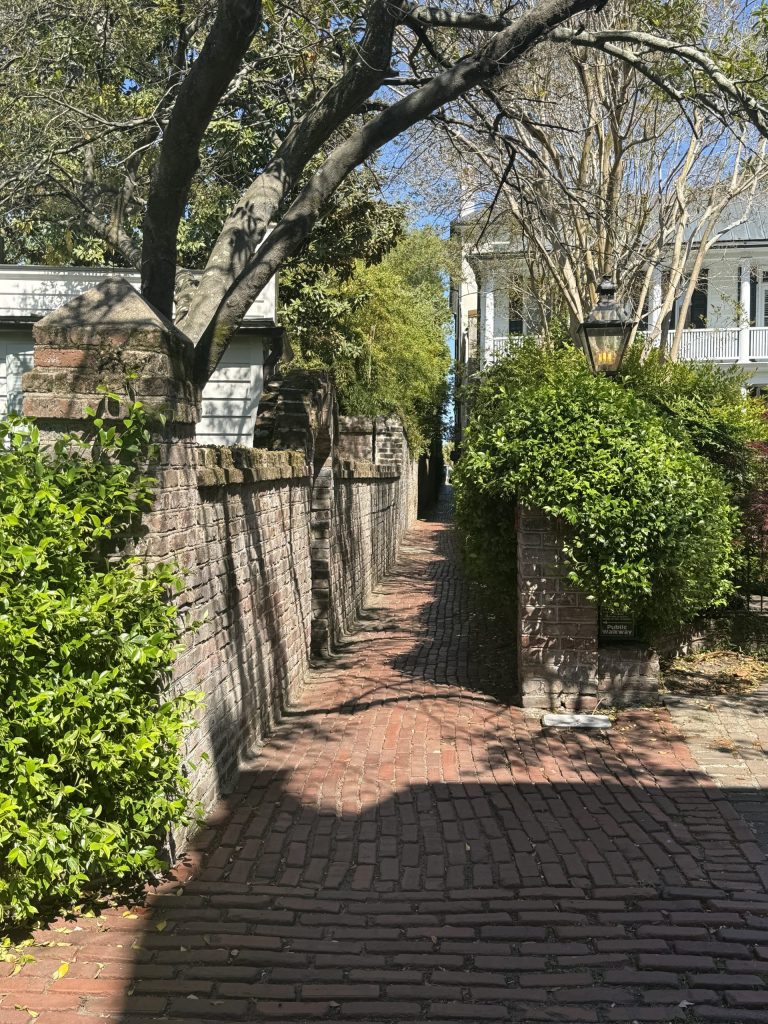
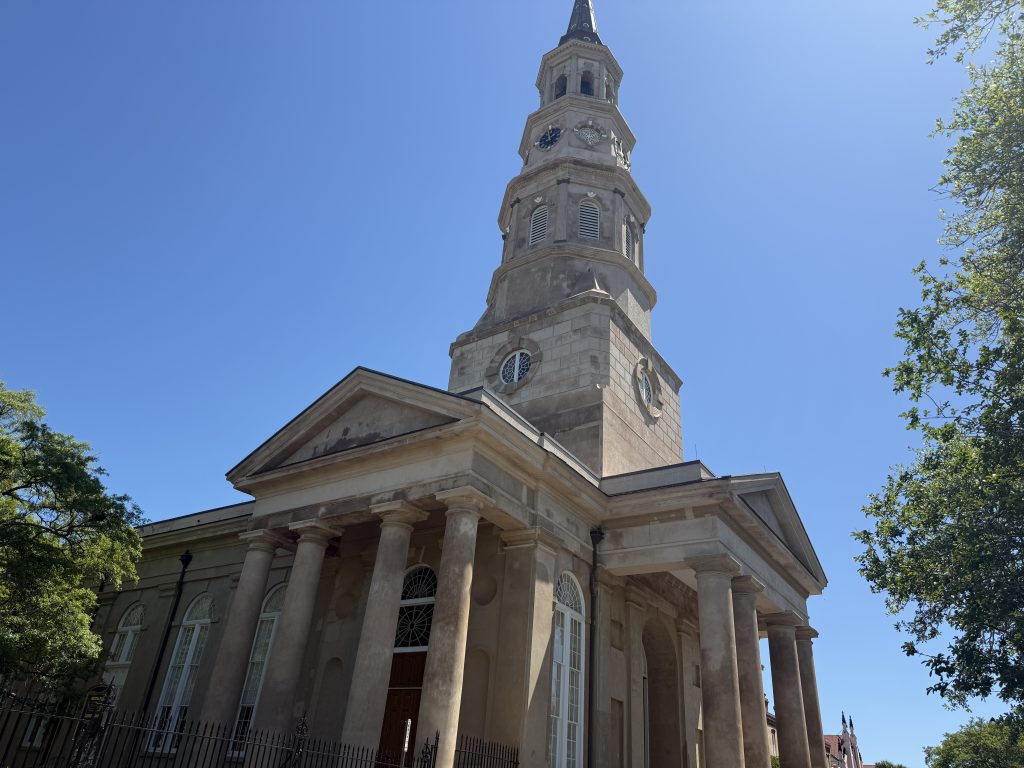
Now for the part that makes all of the above worth it. There is no other place quite like historic Charleston. Walking those streets at dusk, when the gas lamps flicker on and the light goes soft over the old homes and church spires, gives you a feeling that’s honestly hard to put into words.
Take a walking tour early in your trip to get your bearings and soak up the stories. Then leave time to simply wander. The unplanned strolls down side streets are where the magic actually lives.
10. Get on the Water
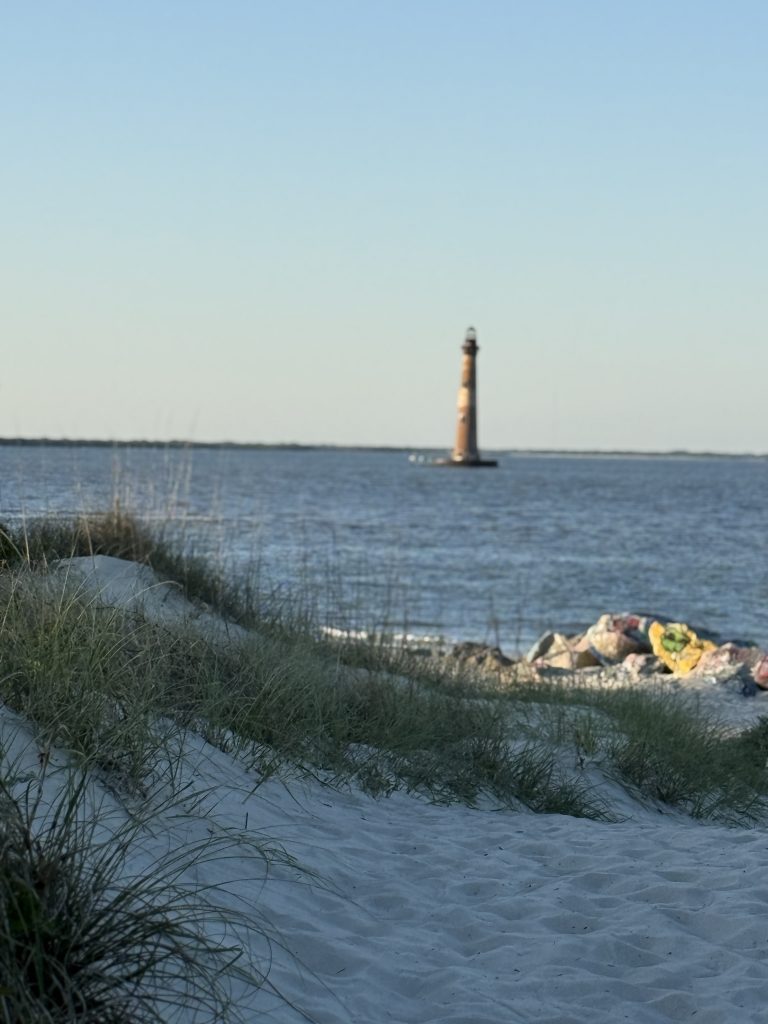
Charleston is a coastal city, and some of its best moments happen on the water. Head to Shem Creek in Mount Pleasant to kayak or paddleboard, watch shrimp boats come in, and spot dolphins surfacing right alongside you. Sunset over the marsh and the creeks is the kind of thing you’ll be talking about long after you get home.
Whether it’s a kayak trip, a dolphin-watching cruise, or just a drink on a creekside deck as the sky turns pink, don’t spend your whole visit on land.
A Few Words on What to Eat
You can’t write honestly about Charleston without talking about the food, because half the reason people fall for this city is what’s on the plate. This is Lowcountry cooking, and the classics are worth seeking out: she-crab soup, shrimp and grits, a proper Lowcountry boil, and barbecue that locals will happily argue about. The brunch scene is its own event, and the city’s bakeries and ice cream shops are dangerously good in the heat.
Here’s a distinction worth understanding before you go, though. Downtown, “casual” usually describes the vibe and the dress code, not the price. Plenty of spots locals love are relaxed enough that you can walk in dressed however you like, but the check still adds up. One of my own favorites, Rivayat Creative Indian, is a good example: come as you are, no fuss about it, but plates run roughly $30 to $70 a person. It’s a fantastic meal and worth it, just not a cheap one. That’s the norm downtown more than the exception.
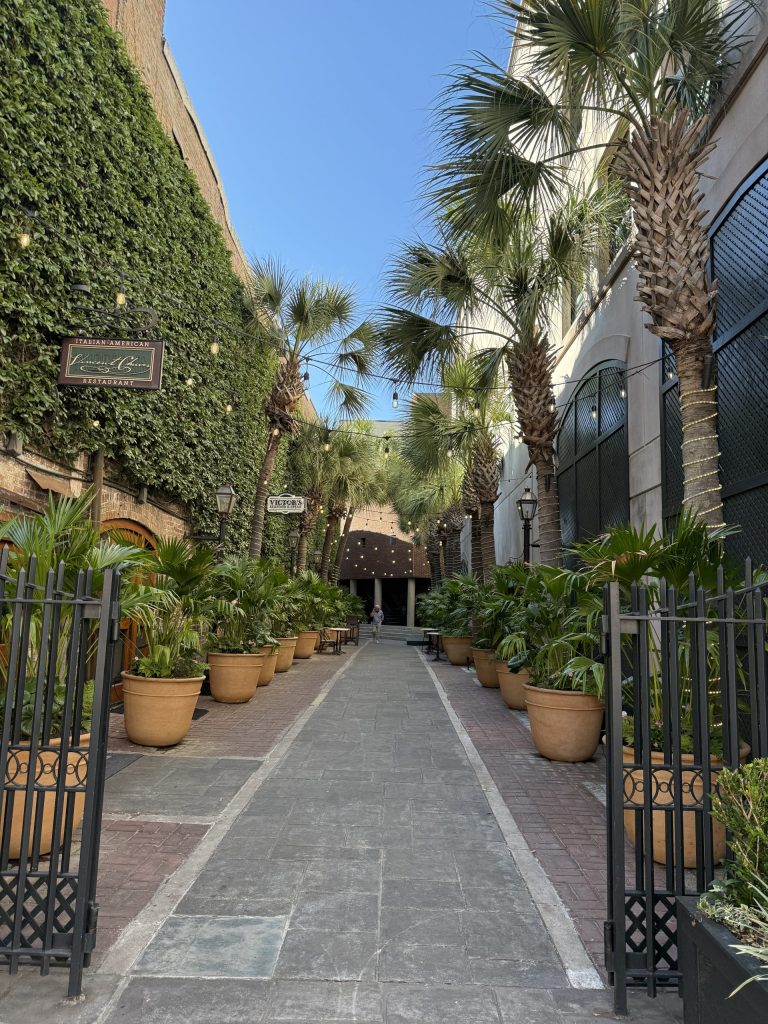
Truly low-key and easy on the wallet is the harder combination to find in and around the historic district, and the few places that fit tend to come and go, so a spot I’d recommend this year might be gone or changed hands by your visit. If that budget-friendly, neighborhood-joint feel is what you’re after, it’s often worth crossing a bridge. Mount Pleasant, West Ashley, and the islands have more of those unfussy, everyday spots, usually at lower prices too. And a practical reminder from section 7: the popular downtown places book up, especially on weekends, so reserve ahead where you can and keep a backup in your pocket.
Day Trips and Beaches Worth the Drive
As I mentioned in section 4, some of the best of “Charleston” isn’t downtown at all, so here’s where to actually point the car once you’re ready to leave the peninsula.
For the beaches, you have a few distinct personalities to choose from. Folly Beach is the laid-back, slightly bohemian one with a walkable main drag. Sullivan’s Island is quieter and more residential, with a handful of great spots to eat. Isle of Palms is the bigger, more resort-style option, good for families. I’d recommend Folly or Isle of Palms for first-time visitors as they both have more available parking and public restrooms. All three are a real drive from downtown, and traffic on a sunny weekend is no joke, so go early.
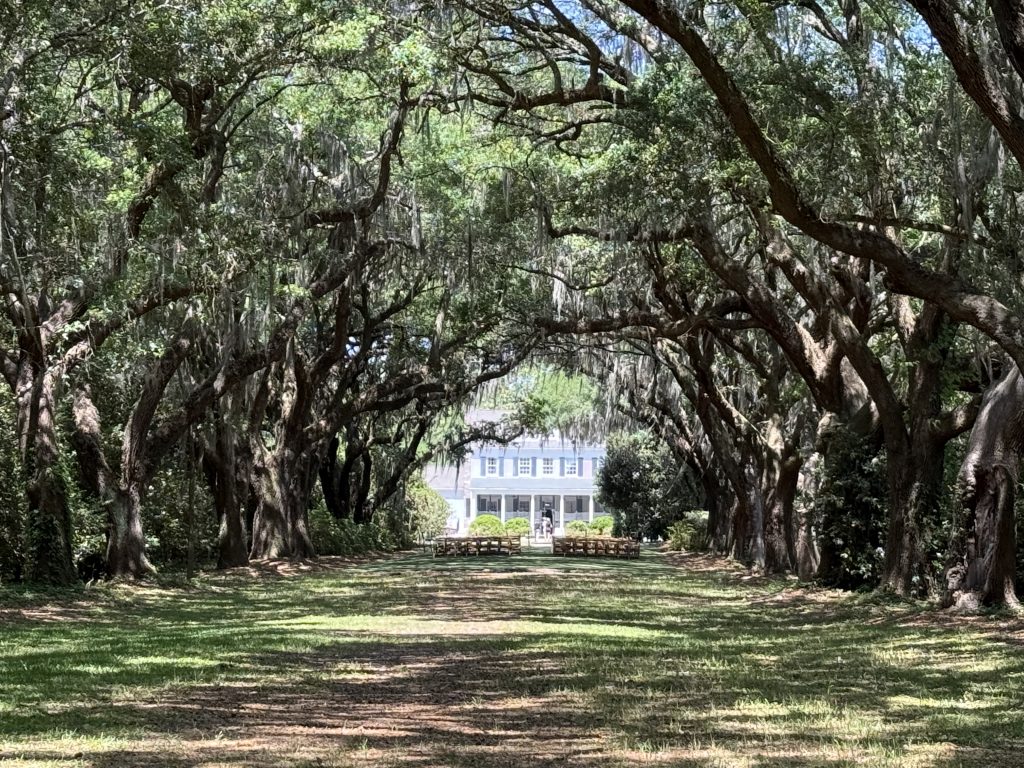
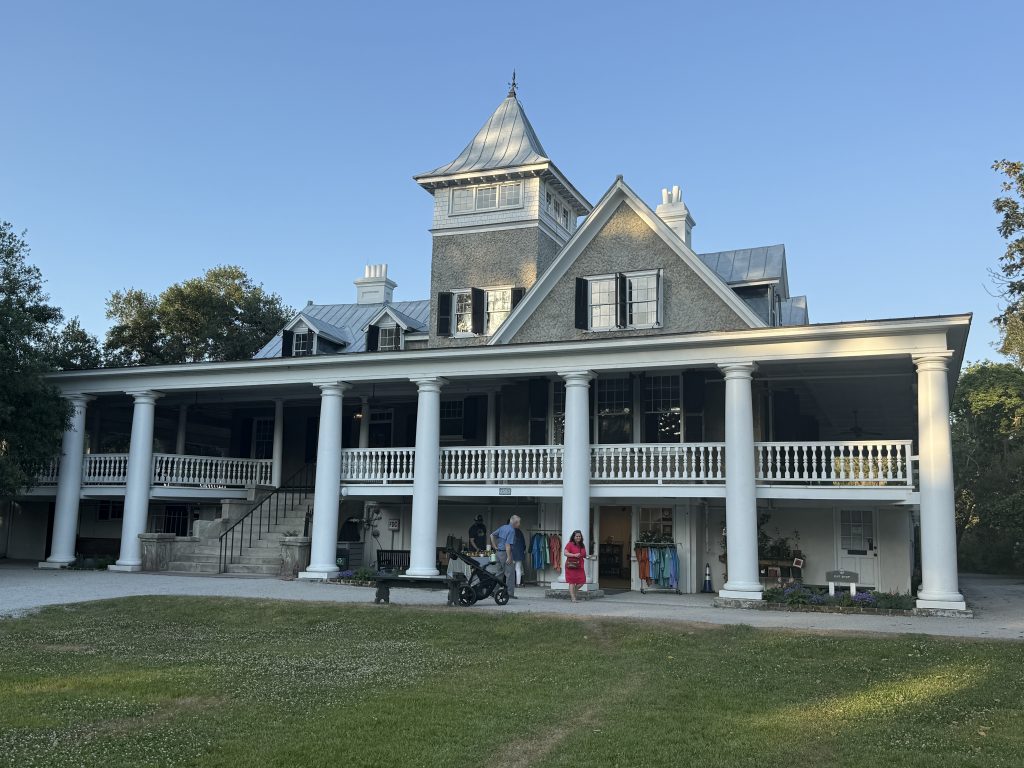
For history and gardens, the sites along the Ashley River are the headliners, with sprawling grounds, centuries-old live oaks, and gardens that are stunning in spring. Magnolia Planation and Middleton Place both have spectacular gardens and alot of land to walk around.
A note worth making: Charleston’s history is inseparable from slavery, and the plantation sites are part of that story. Approach them with curiosity and respect, and consider the sites that tell that history fully and honestly. It will make for a richer visit, not a heavier one.
Frequently Asked Questions Before Visiting Charleston For The First Time
What’s the best time of year to visit Charleston?
Spring (March to May) and fall (late September through November, with October the sweet spot) are the best all-around months, with milder weather and lower humidity. They’re also the busiest and priciest, so book ahead. For fewer crowds and lower rates, January and February are quiet and still pleasant. Summer is hot, humid, and beach-focused. One thing to keep in mind: hurricane season runs June through November, so summer and early-fall travelers should watch the forecast and consider travel insurance.
How many days do you need in Charleston?
Three days seems to be the sweet spot for most visitors. It’s enough time to soak in historic downtown without rushing. Add a fourth (or fifth) day if you want to fold in beach time, a plantation or garden, or a day trip without feeling stretched. You can hit the highlights in a weekend, but you will feel rushed.
Do you need a car in Charleston?
Not for downtown. The historic peninsula is very walkable, and it’s only about a 20-minute ride from the airport. But you’ll want a car (or a rideshare budget, or a tour) the moment you want to reach the beaches, gardens, or plantations, since none are walkable from downtown. If you’re staying downtown the whole time, you may barely use your car and you’ll save on the steep hotel parking.
Where should I stay for a first visit?
Downtown’s Historic District puts you within walking distance of nearly everything and is ideal for first-timers. If you want quieter or more family-friendly, look at Mount Pleasant or the beach towns, just know you’ll be driving in.
What do first-timers get wrong?
Three main things: underestimating the summer heat and humidity, assuming everything’s walkable from downtown (the beaches and plantations aren’t), and not booking dinner reservations. Plan around those and you’re ahead of the game.
Wrapping Things Up: 10 Things to Know Before Visiting Charleston For the First Time
I came for a summer in 2002, and I’m still here. You can list Charleston’s frustrations all day, the heat, the bugs, the traffic, the prices, and every one of them is true. Not one of them matters come spring, when the whole city blooms and you find yourself standing under a four-hundred-year-old oak, wondering where the time went. So pack the bug spray, build in drive time, eat off-peak, and leave a little room to just stand still and breathe. Charleston will do the rest. We can’t wait to have you!
Follow this link for most posts on Charleston!
