
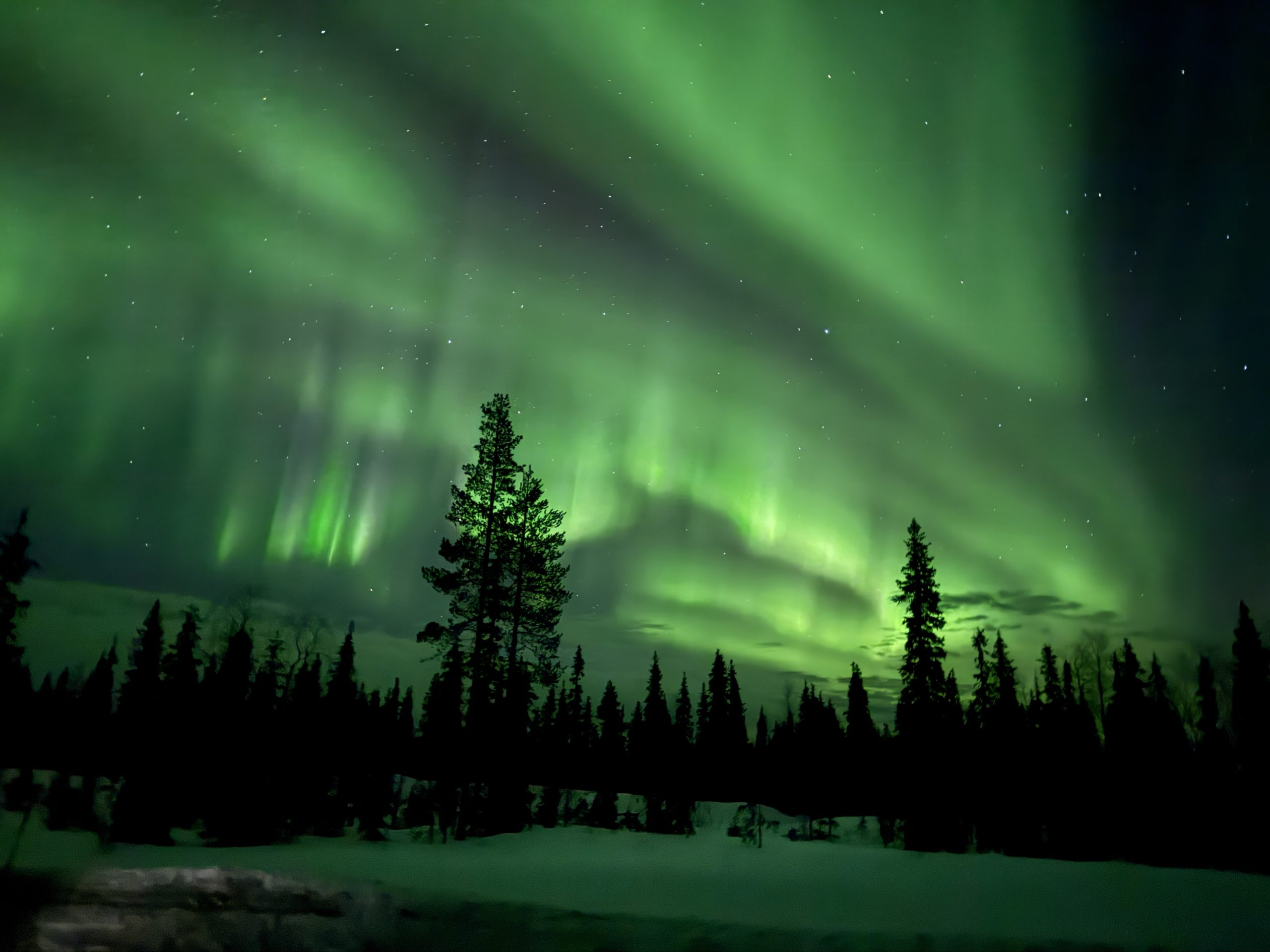
Where is Lapland? Everything You Need to Know Before You Go
Wandering Everywhere contains affiliate links and is a member of Amazon Services LLC Associates Program. If you make a purchase using one of our links, we may receive compensation from the company at no additional cost to you. Read our disclaimer here.
Lapland explained: everything you need to know about where it is and what makes it extraordinary
Where exactly is Lapland? It’s one of the most searched travel questions on the internet, and the answer surprises more people than you’d expect.
Lapland is not a country or even a city. It isn’t even the name of a single place. It is a vast, cross-border Arctic region stretching across the far north of Finland, Sweden, and Norway, spilling into Russia’s Kola Peninsula. Lapland is tied together by extraordinary landscapes, the Northern Lights, and thousands of years of Sámi culture.
Imagine a place where winter is so quiet and cold that the only sounds are reindeer hooves on snow and the distant crackle of the aurora overhead. Summer brings light that never fades with 24-hour a day sunlight. This is a place where ancient indigenous traditions survive in a landscape that looks, and feels, like the edge of the world.
That is where Lapland is. And in this guide, we answer every version of that question, “Where is Lapland” geographically, culturally, practically, and personally.
Quick Answer: Where is Lapland?
Lapland is an Arctic region in the far north of Europe, spanning Finland, Norway, Sweden, and Russia. It is not a single country. The most visited section is Finnish Lapland, with the capital Rovaniemi sitting right on the Arctic Circle. The region covers roughly 400,000 square kilometers and is one of Europe’s last great wildernesses.
Where Exactly Is Lapland, and Why Is It Spread Across Four Countries?
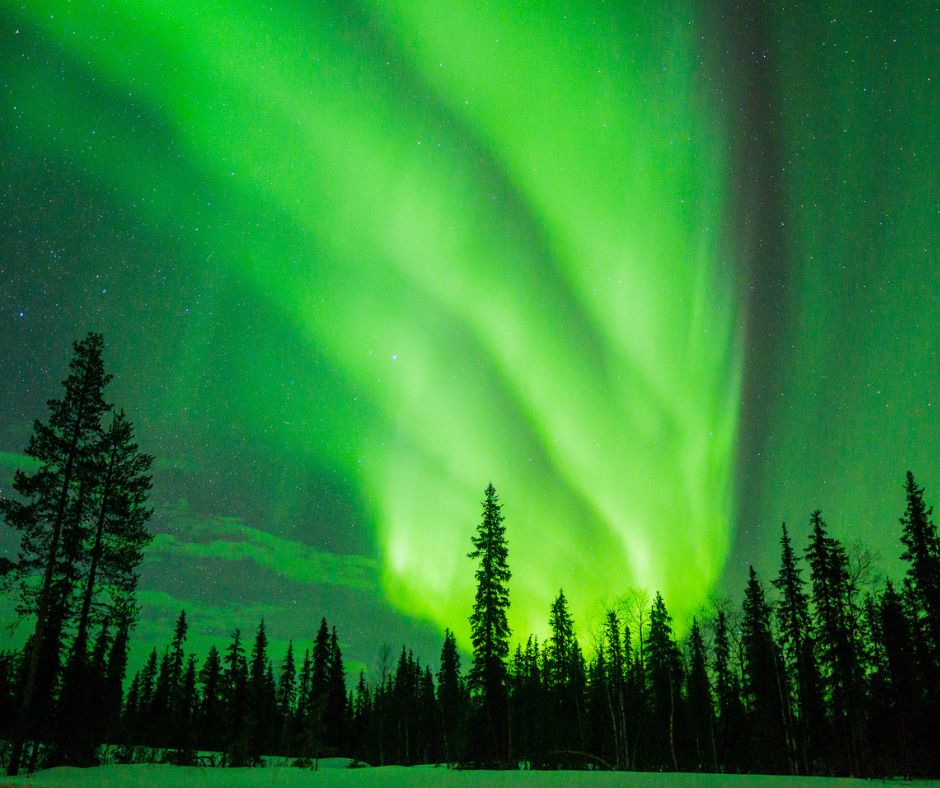
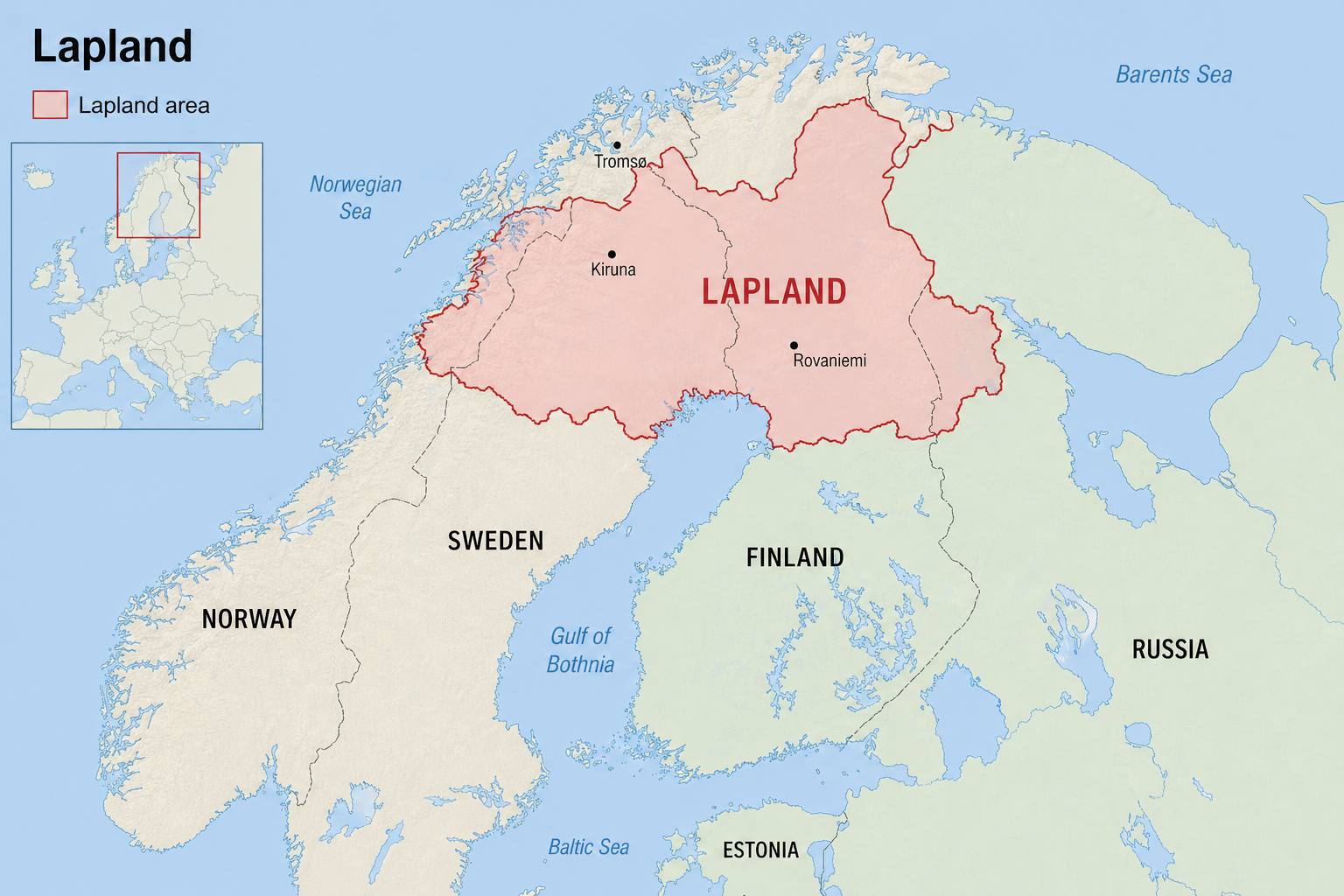
Lapland sits in the far north of Europe, straddling four countries: Finland, Norway, Sweden, and Russia. Rather than following political borders, Lapland evolved through the traditions and movements of the Sámi people, which are Europe’s only recognized indigenous people. They lived nomadically across these lands for thousands of years before any national borders existed.
As Finland, Sweden, Norway, and Russia established their modern boundaries, Sámi lands were divided between them. But culture, tradition, and the landscape itself paid no attention to those lines. The result is a region with fluid, overlapping borders which are defined more by climate, geography, and heritage than by politics.
Today, where Lapland is on the map depends slightly on who you ask. In the strictest political sense, “Lapland” refers to the northernmost administrative region of Finland. In its broader cultural and geographic sense, it encompasses the entire Arctic north of Scandinavia and northwestern Russia.
Where Is Lapland on the Map?
Lapland sits above and around the Arctic Circle which is an imaginary line of latitude at approximately 66.5° North, beyond which the sun doesn’t rise in winter and doesn’t set in summer. The region occupies the top edge of Europe, closer to the North Pole than to Paris, and further north than virtually every populated place most people can name.
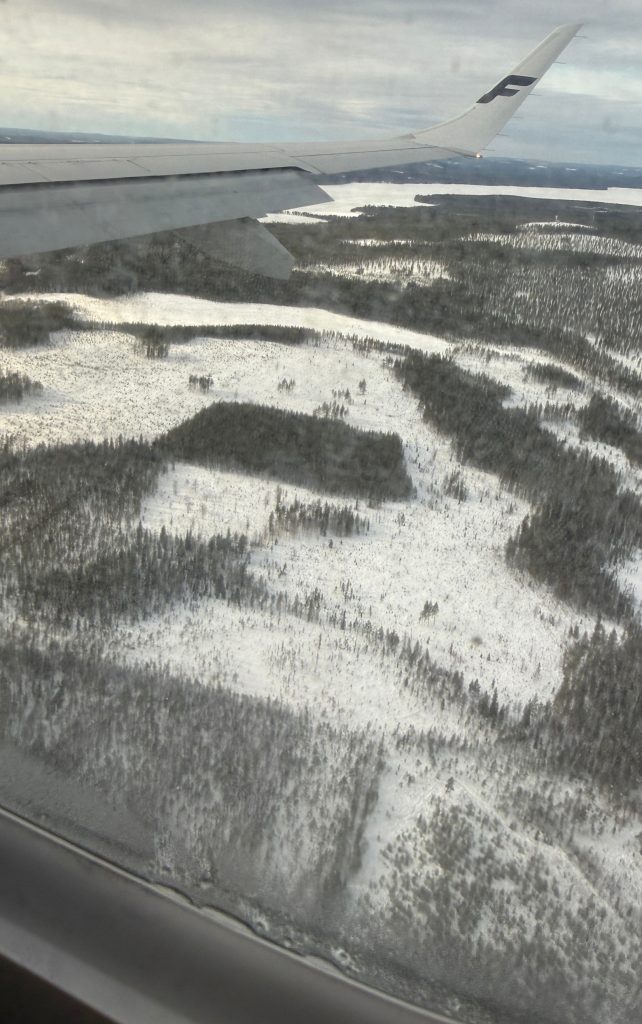
The entire Lapland region covers roughly 400,000 square kilometers making it one of the largest geographic regions in Europe. The landscape ranges from dense boreal forest and frozen lakes in Finnish Lapland to mountain tundra and dramatic Atlantic fjords in Norwegian Lapland, and vast wilderness taiga in Swedish Lapland.
🗺️ Traveler’s Note: For trip-planning purposes, the vast majority of international visitors head to Finnish Lapland, with Rovaniemi as the most common entry point. Norwegian Lapland (particularly Tromsø) is the second most popular destination, especially for Northern Lights chasers wanting a coastal experience with dramatic fjord scenery.
What Country Is Lapland In?
This is one of the most searched questions about Lapland. The answer depends it depends on which part of Lapland you mean.
Lapland is not a country in its own right. It is a geographic and cultural region that predates the national borders drawn across it. In official political terms, different sections of Lapland belong to four different countries.
Finnish Lapland
Finnish Lapland is most visited and best-known section. Lapland (Lappi in Finnish) is a legally recognized administrative region of Finland, with Rovaniemi as its capital city. It covers the entire northern third of Finland which is approximately 100,000 square kilometers, and contains the most developed tourism infrastructure in the entire region, including Rovaniemi’s Santa Claus Village, the glass igloos of Kakslauttanen, and the Northern Lights capital of Saariselkä.
Norwegian Lapland
Norwegian Lapland spans Troms og Finnmark county in the far north of Norway. It is dramatically different in landscape from the Finnish side with fjords, rugged coastlines, and the iconic city of Tromsø. The North Cape (Nordkapp), the northernmost point of continental Europe, is found here as well.
Swedish Lapland
Swedish Lapland is a vast, taiga-covered wilderness stretching across northern Sweden. Swedish Lapland is home to Kiruna (Sweden’s northernmost city), the world-famous ICEHOTEL in Jukkasjärvi, and Abisko National Park, which is widely considered one of the best places on earth to see the Northern Lights due to its unusually clear skies.
Russian Lapland
Russian Lapland starts with the Kola Peninsula in northwestern Russia and forms the easternmost section of the broader Lapland region. This area sees very little international tourism but forms the geographic and cultural eastern boundary of traditional Sápmi, which is the Sámi homeland.
Travel Companies and Lapland
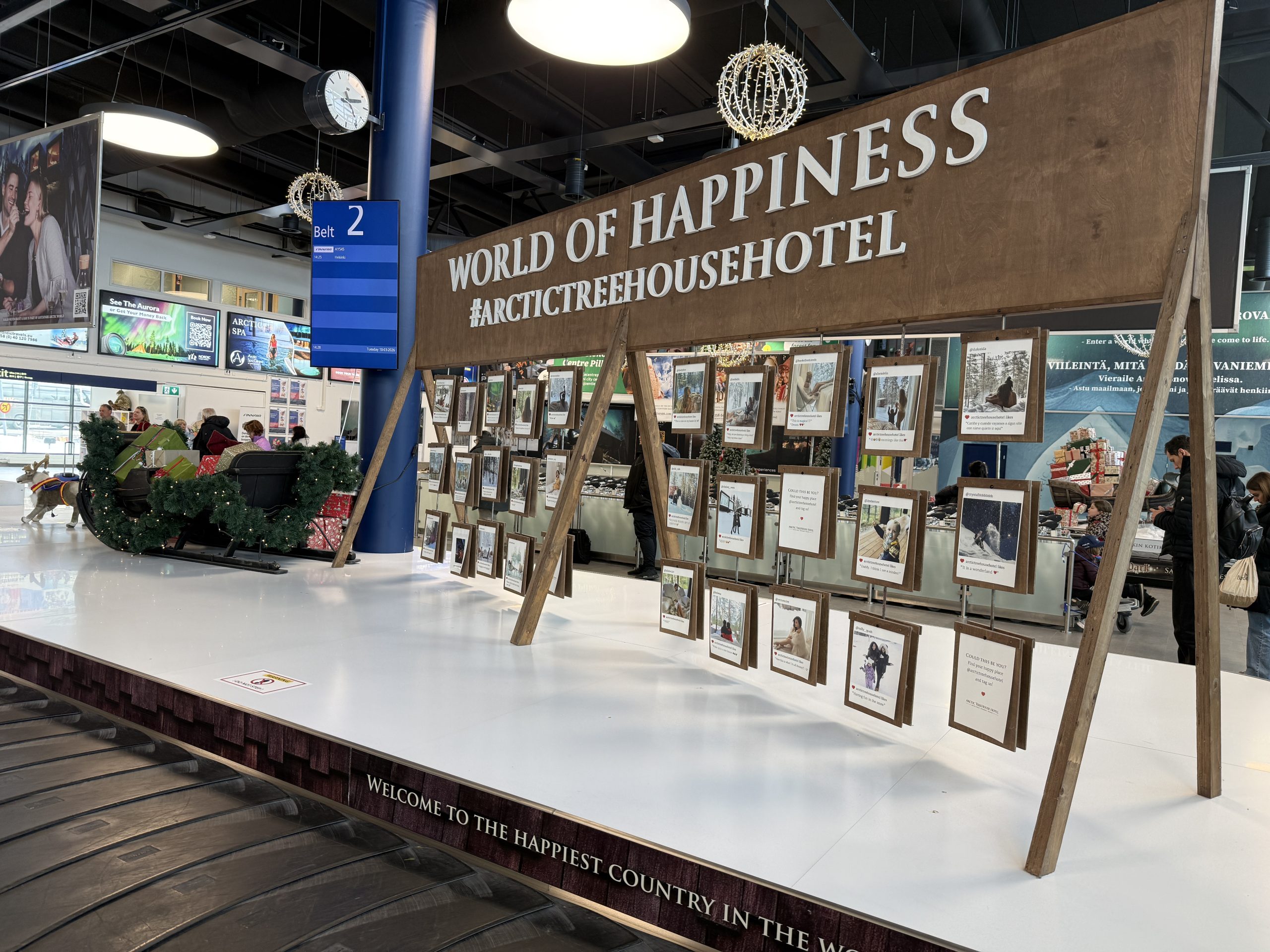
When international travel companies, tour operators, and media say “Lapland” without qualification, they almost always mean Finnish Lapland, specifically the area around and north of Rovaniemi. Finnish Lapland has invested the most heavily in tourism infrastructure and is by far the easiest to reach by direct flight from European cities.
What Makes Lapland Unique Compared to Other Arctic Regions?
Where is Lapland’s real magic? It lies in a combination that no other Arctic destination can fully replicate with extraordinary natural beauty, a living indigenous culture, world-class amenities, and a wildness that most of the world has already lost.
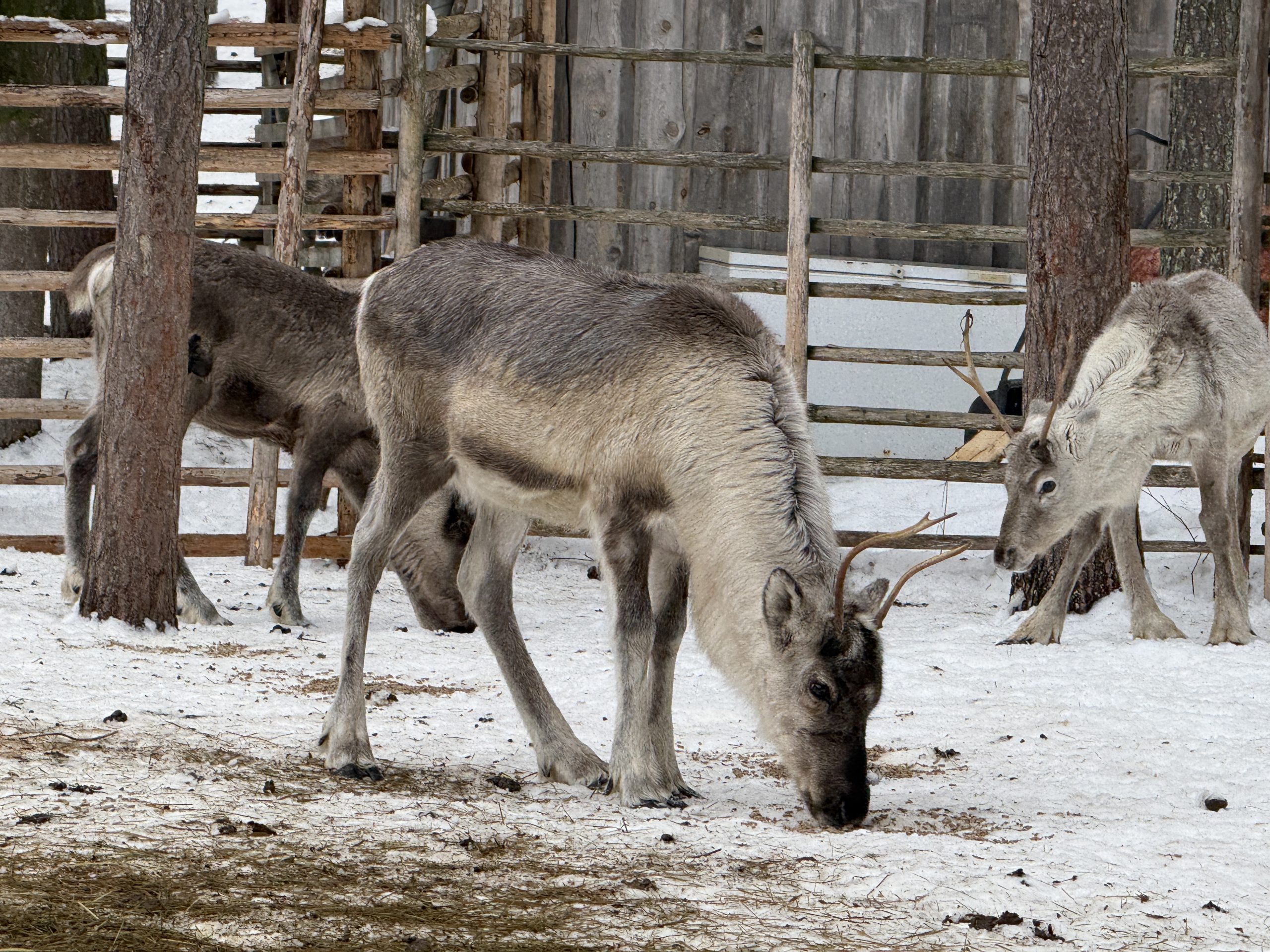
While you could travel to Alaska, northern Canada, or Siberia for an Arctic experience, none of those destinations offers Lapland’s particular blend. The Northern Lights here seem more luminous, set against a backdrop of forested landscapes and mirrored in glacial lakes. Reindeer are part of daily life, wandering across roads and through village outskirts as they have for centuries.
There is also the Sámi dimension. The indigenous culture of Lapland is a living tradition of reindeer herding, joik singing, duodji craft, and an eight-season calendar that makes profound sense once you understand the landscape it emerged from.
And then there is the extraordinary range of what Lapland offers across its seasons. For example, the electric-green skies of the polar winter, the eerie purple twilight of the Kaamos (polar night), the golden endlessness of the midnight sun, and the blazing autumn ruska when the birch forests turn red and gold across the fells. Few places on earth can offer four such completely different versions of itself.
How Does Lapland Differ Across Finland, Sweden and Norway?
The spirit of Lapland is consistent across borders, but each country offers a genuinely different version of the Arctic experience. Understanding these differences is essential to choosing where to go.
What Makes Finnish Lapland Unique and What Should You Do There
Finnish Lapland is what most people think about when they envision Lapland. It embraces tourism more openly than its neighbors. Most of the infrastructure is excellent, English is widely spoken, and the range of activities and accommodation is broader than anywhere else in the region.
Rovaniemi, the regional capital, sits almost exactly on the Arctic Circle and is the primary gateway for most visitors. Known as the official hometown of Santa Claus, it is home to the beloved Santa Claus Village and the excellent Arktikum Museum, which dives deep into Lapland’s history, natural environment, and Arctic culture. Rovaniemi works beautifully as a base for exploring the wider Finnish Lapland region.
For deeper wilderness, Saariselkä in the far north offers fell landscapes and aurora hunting without the crowds. Inari is the cultural heart of Finland’s Sámi community In Inari, the Siida Museum is one of the finest cultural institutions in Scandinavia. Kakslauttanen Arctic Resort, with its famous glass igloos, offers one of the most unforgettable accommodation experiences on earth. Here you can watch the Northern Lights from the warmth of your bed.
Finnish Lapland is also where the landscape is most characteristically “Lapland” in the popular imagination. You’ll see vast conifer forests of pine and spruce, thousands of frozen lakes, open fells in the north where the treeline ends, and the sky takes over. Finland’s highest point, Halti at 1,324 metres, stands at Lapland’s northwestern tip.
What Makes Swedish Lapland Unique and What Experiences Should You Prioritize
Swedish Lapland offers an unpolished wilderness that is different in character from the Finnish side. Where Finnish Lapland has leaned into tourism, Swedish Lapland feels rawer, quieter, and more wild, which is precisely its appeal.
Abisko National Park, northwest of Kiruna, is an absolute must for nature lovers and one of the world’s top destinations for Northern Lights viewing. Thanks to a unique meteorological phenomenon known as the “blue hole” ( a persistent clearing in cloud cover caused by the surrounding mountains) clear skies are common here even when other areas are overcast. The Aurora Sky Station, accessible by cable car above the tree line, provides unobstructed aurora viewing in conditions that are hard to match anywhere.
Kiruna is one of the world’s most extraordinary cities. The entire town center is being relocated several kilometers away, because the iron ore mine that founded the city has expanded beneath it. It is a remarkable piece of living industrial and cultural history. Nearby Jukkasjärvi is home to the original ICEHOTEL which is rebuilt entirely from ice each winter and offering a genuinely otherworldly place to sleep. Jokkmokk, a small town in Swedish Lapland, is the cultural center for Sweden’s Sámi community and hosts the famous Jokkmokk Winter Market. The Jokkmokk Winter Market has been held continuously every February since 1605. The landscape across Swedish Lapland is dominated by boreal forest, rushing rivers, and vast national parks that see far fewer visitors than their Finnish equivalents.
What Is Norwegian Lapland Like and What Should You Do There?
Norwegian Lapland is where the mountains meet the sea. It is coastal yet Arctic with a combination that produces some of the most dramatic scenery anywhere on the continent. The fjords that define the rest of Norway extend here into the Arctic, creating an environment where icy waters, reindeer-filled highlands, and the Northern Lights coexist with a level of grandeur that is genuinely hard to overstate.
Tromsø is the undisputed capital of Norwegian Lapland and one of the best cities in the world for Northern Lights viewing. Sitting on an island surrounded by fjords and mountains, it has a vibrant cultural scene, excellent restaurants, and a cosmopolitan energy that no other Arctic city quite matches. The Polar Museum and Arctic Cathedral are among its landmark attractions, but the city’s real draw is its accessibility to wild nature combined with real urban infrastructure. The North Cape (Nordkapp), accessible from Norwegian Lapland, is the northernmost point of continental Europe. It sits on a clifftop above the Arctic Ocean where the horizon stretches unbroken in every direction. Alta, further south, is known for its prehistoric rock carvings, a UNESCO World Heritage Site, and for some of the best Northern Lights activity in Europe. The Finnmark plateau, which is vast, treeless, windswept, gives Norwegian Lapland
What Is the Arctic Circle and Why Does It Matter for Lapland?
The Arctic Circle is mentioned constantly in relation to Lapland, so understanding what it actually means changes how you experience the destination entirely.
The Arctic Circle is an imaginary line of latitude at approximately 66.5° North. It marks the southernmost point where, on the winter solstice (around December 21), the sun does not rise above the horizon at all and where, on the summer solstice (around June 21), the sun does not set below it. Much of Lapland lies at or above this line, which gives the region two of its most iconic natural phenomena.
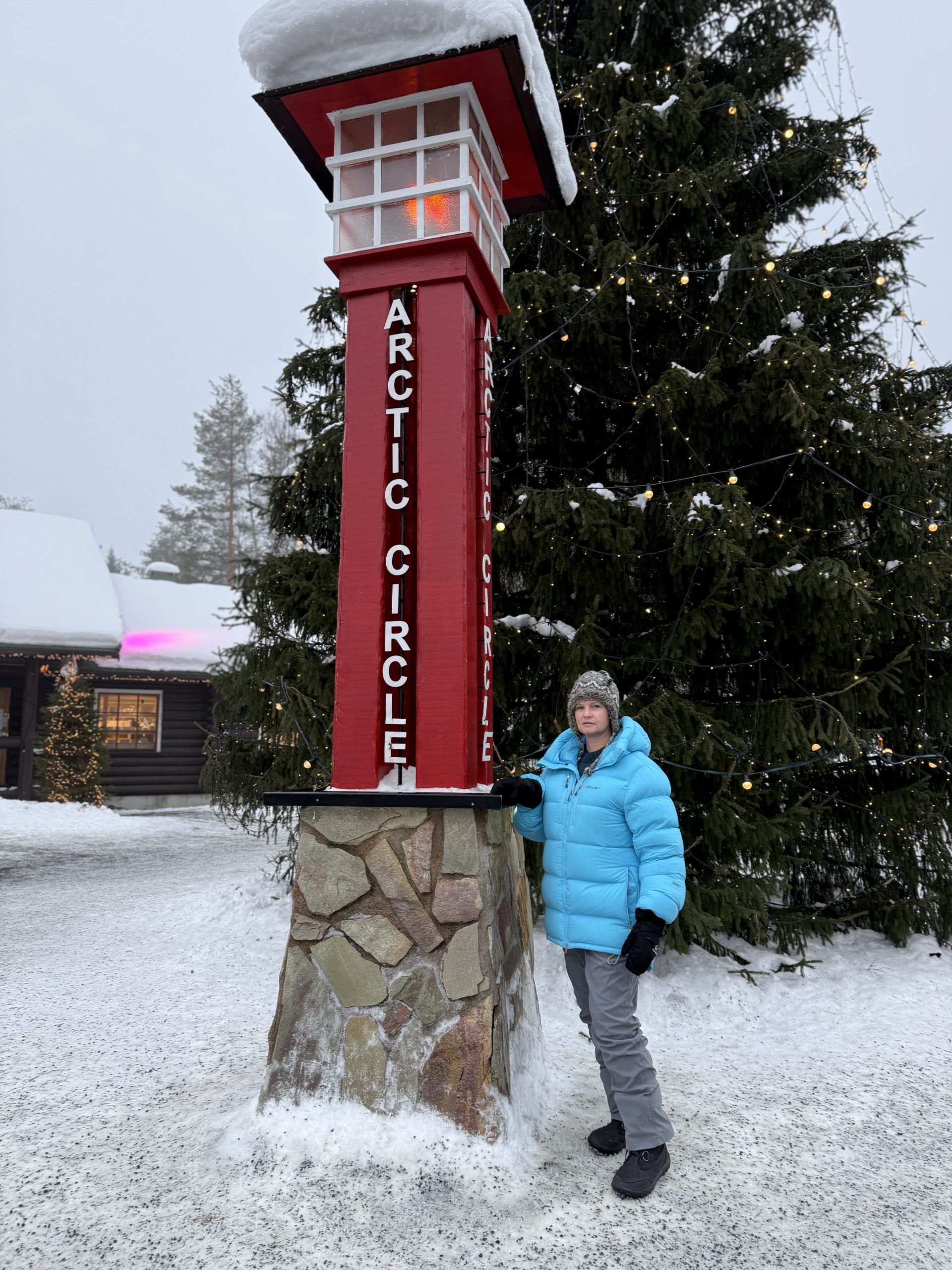
What Is the Polar Night (Kaamos) in Lapland?
From late November through January, the sun stays below the horizon for weeks at a time. In Rovaniemi, right on the Arctic Circle, polar night lasts approximately 30 days. Travel further north to Utsjoki, Finland’s northernmost municipality, and the sun disappears for around 52 consecutive days.
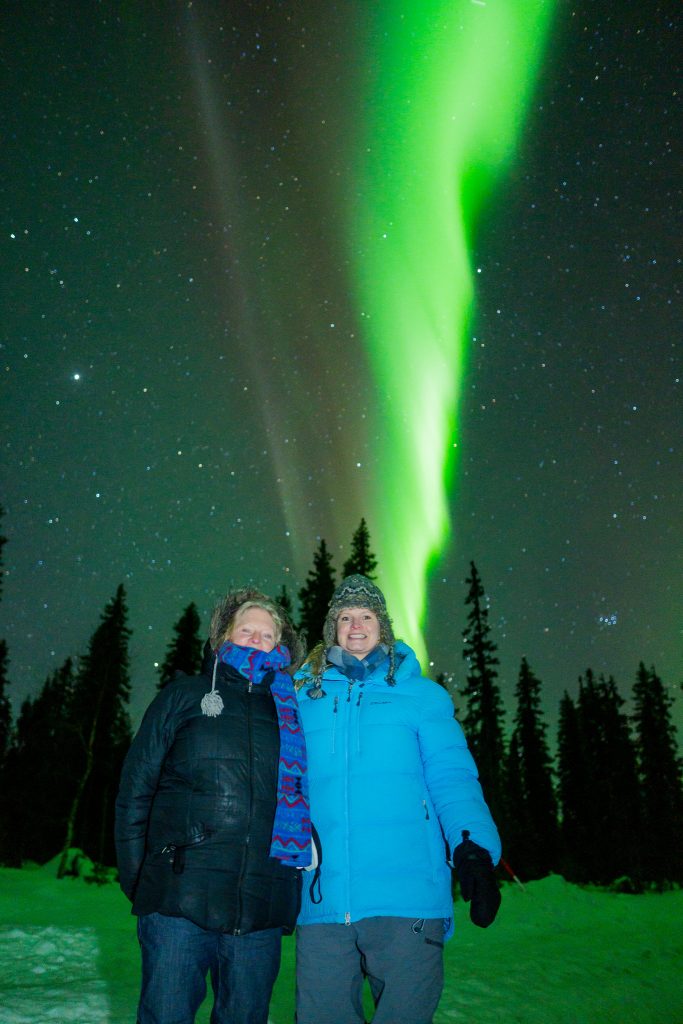
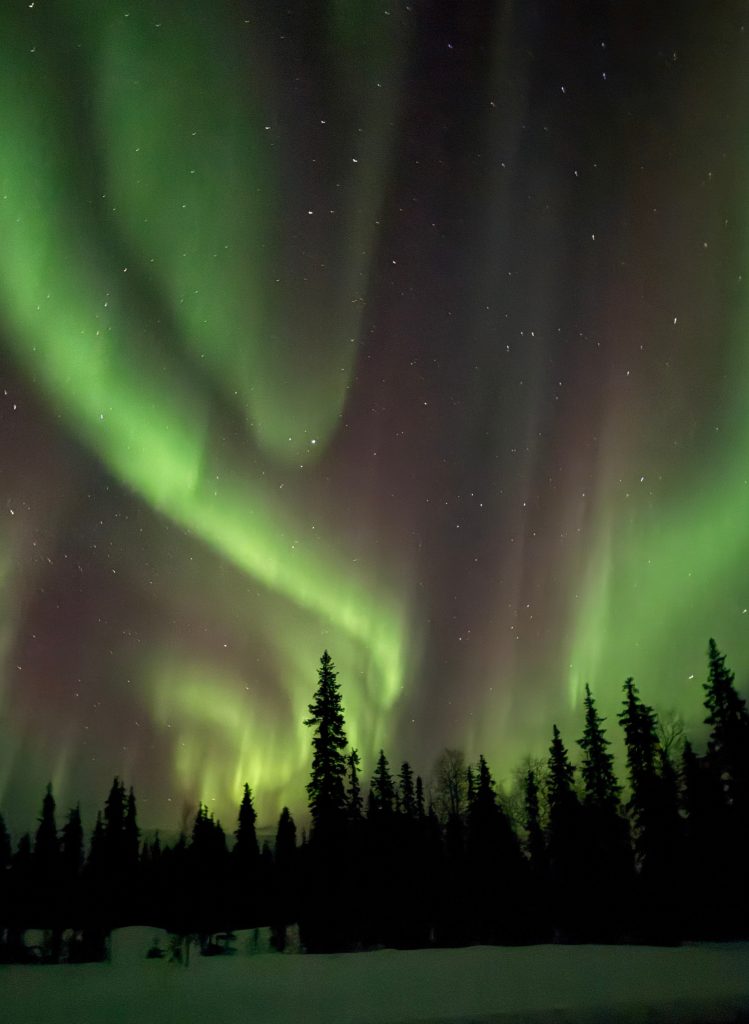
This isn’t total darkness. The snow reflects ambient light, and for a few hours around midday the sky glows in extraordinary shades of blue, rose, and violet. This is what Finns call the sininen hetki (blue moment). For photographers, the Kaamos light is something that cannot be replicated elsewhere. The polar night is also the prime window for seeing the Northern Lights, since the sky is dark for so long each night.
What Is the Midnight Sun in Lapland?
The midnight sun is the polar opposite of the Kaamos and equally extraordinary. From roughly mid-May through late July, the sun in Lapland never fully sets. In Rovaniemi, the sun doesn’t set between June 6 and July 7. In the far north, near Utsjoki, the midnight sun lasts nearly two months.
The effect is genuinely disorienting in the best possible way. You’ll find yourself eating dinner at 10pm in full sunlight, hiking through golden forests at midnight, kayaking rivers at 2am under a blazing sky. Summer Lapland is dramatically underrated but less crowded, more affordable, and offering an entirely different version of the same extraordinary landscape.
What Wildlife Can You See in Lapland?
Lapland’s wildlife is as dramatic as its landscape with wildlife encounters woven into the everyday visit here in a way that is unlike almost any other destination in Europe.
• Reindeer – Around 200,000 semi-domesticated reindeer roam Finnish Lapland alone. In the spring, fall and summer, they wander across roads, through village outskirts, and across open fell country as they have for centuries. In Finland, all reindeer are owned (mostly by families of Sámi decent). When fall turns into winter, the Reindeer are herded to farms where they are fed, vaccinated, and kept for the winter.
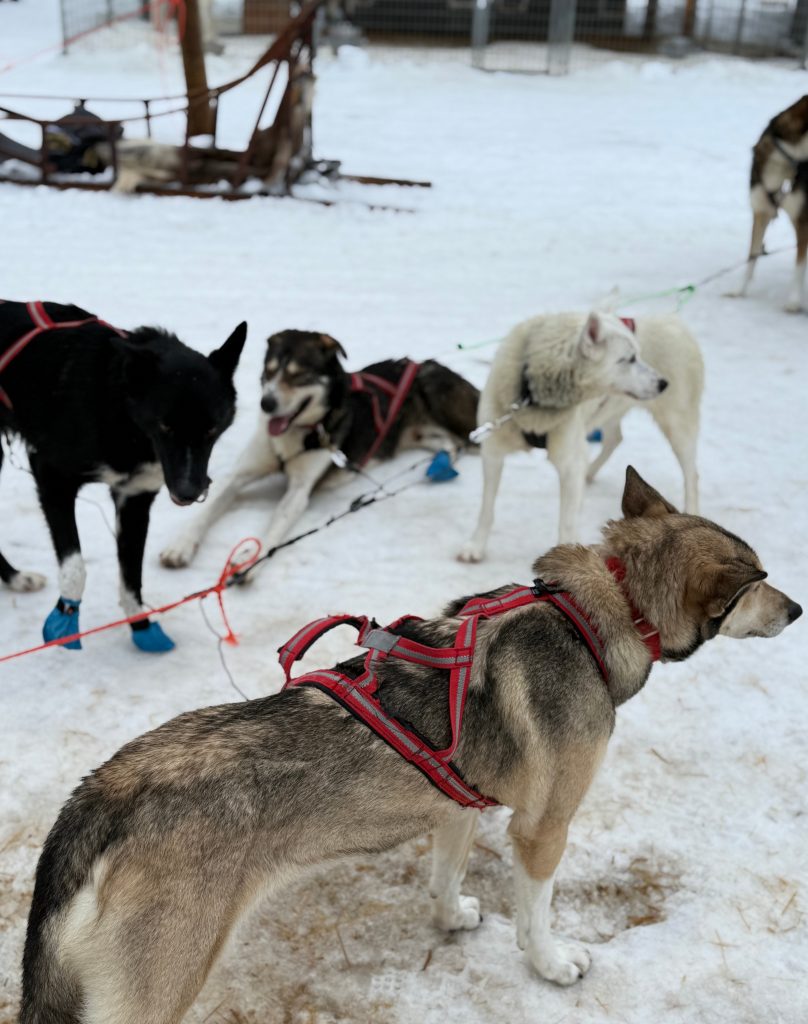
• Huskies – Husky safaris are one of the great Lapland activities. Teams of Siberian and Alaskan huskies pulling sleds through boreal forest at remarkable speed and with evident joy. The dogs are athletes who love to run.
• Arctic foxes – Rare but present, the Arctic fox is one of the most beautiful animals in the northern wilderness, turning pure white in winter to blend with the snow.
• Elk (Moose) – Common throughout Lapland, particularly in the forested south of the region. Dawn and dusk are the best times to spot them.
• Brown bears – Present in the forested interior of Finnish and Swedish Lapland, though rarely encountered without a specific guided bear-watching experience.
• Wolverines and lynx – Both present in the wilderness areas of Lapland, though extremely elusive. Their tracks in snow are more commonly encountered than the animals themselves.
• Migratory birds – In summer, Lapland’s lakes and wetlands host extraordinary concentrations of migratory birds including whooper swans, golden eagles, and dozens of wader species.
Who Are the Sámi and Why Do They Matter to Understanding Where Lapland Is?
No answer to “where is Lapland?” is complete without understanding who has called it home for thousands of years.
The Sámi are the indigenous people of Lapland, or more accurately, of Sápmi, which is their own name for the region. The word “Lapland” was coined by Norse outsiders, and many Sámi consider it “Lapps” and “Laplanders” outdated or offensive. Sápmi is the name they have always used for this land.
The Sámi have inhabited Sápmi for at least 10,000 years, making them among the oldest continuously present indigenous groups in Europe. Their traditional lands stretch across all four countries that now divide the region, Finland, Norway, Sweden, and Russia, and their culture, language, and worldview were shaped by the Arctic landscape long before any national border existed.
What Is Sámi Culture Like in Lapland Today?
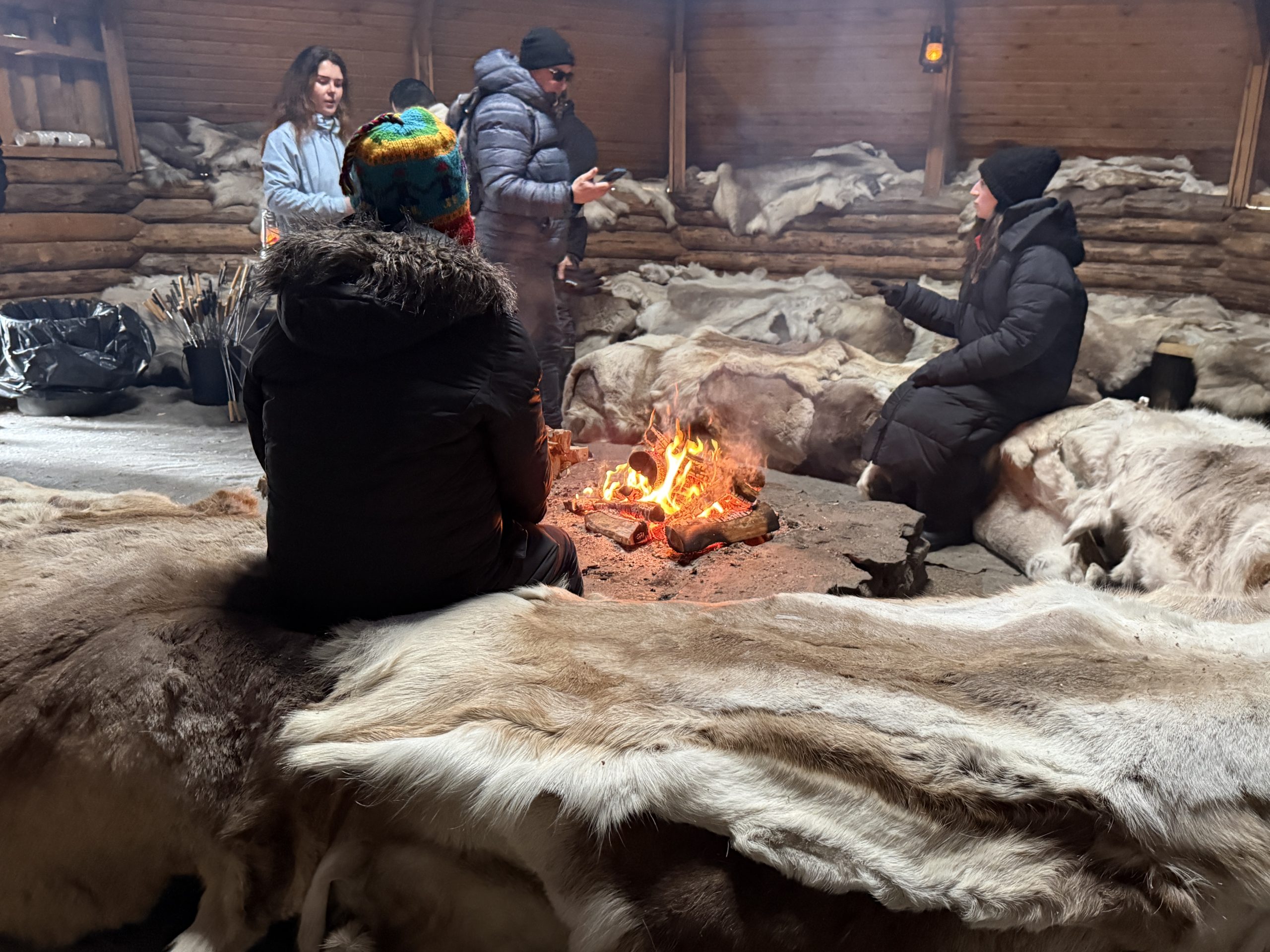
The most well-known of the Sámi culture and traditional livelihoods is semi-nomadic reindeer herding. This entails following herds across vast distances between summer and winter grazing grounds. The Sámi recognize eight seasons rather than four, built around the lifecycle of the reindeer, from spring calving to winter migration.
Traditional Sámi craft which are known as duodji , encompasses everything from clothing and jewelry to tools and household items. The joik (or yoik), a deeply personal form of vocal music unlike anything in Western tradition, is one of the oldest oral musical traditions in Europe.
The Sámi have faced centuries of assimilation pressure, forced relocation, and cultural suppression. Today a significant cultural revival is underway, with Sámi language revitalization programs, cultural schools, and parliamentary representation in Finland, Norway, and Sweden. Visiting as a curious, respectful traveler actively supports communities that have fought hard to preserve what makes Lapland more than a pretty landscape.
Where Can You Experience Sámi Culture in Lapland?
• Inari, Finnish Lapland – The Siida museum, dedicated entirely to Sámi history and Arctic nature, is one of the finest cultural museums in Scandinavia.
• Jokkmokk, Swedish Lapland – A centre of Sámi culture hosting the famous Jokkmokk Winter Market (since 1605) each February.
• Kautokeino and Karasjok, Norwegian Lapland – Two of the most culturally significant Sámi communities, with the highest concentration of Sámi language speakers anywhere.
• Nutti Sámi Siida, Jukkasjärvi, Sweden – One of the most reputable operators offering guided cultural and reindeer experiences led by Sámi people themselves.
What Are Lapland’s Four Seasons Like?
Every season in Lapland is beautiful and unique, but each offers a completely different experience. Understanding the options helps you match the trip to what you actually want.
What Is Winter in Lapland Like? (November – March)
Winter is peak Lapland season. Snow typically blankets the landscape from late October, and the polar night creates the long, dark skies perfect for Northern Lights chasing. Temperatures range from around -5°C to -25°C, occasionally colder with wind chill.
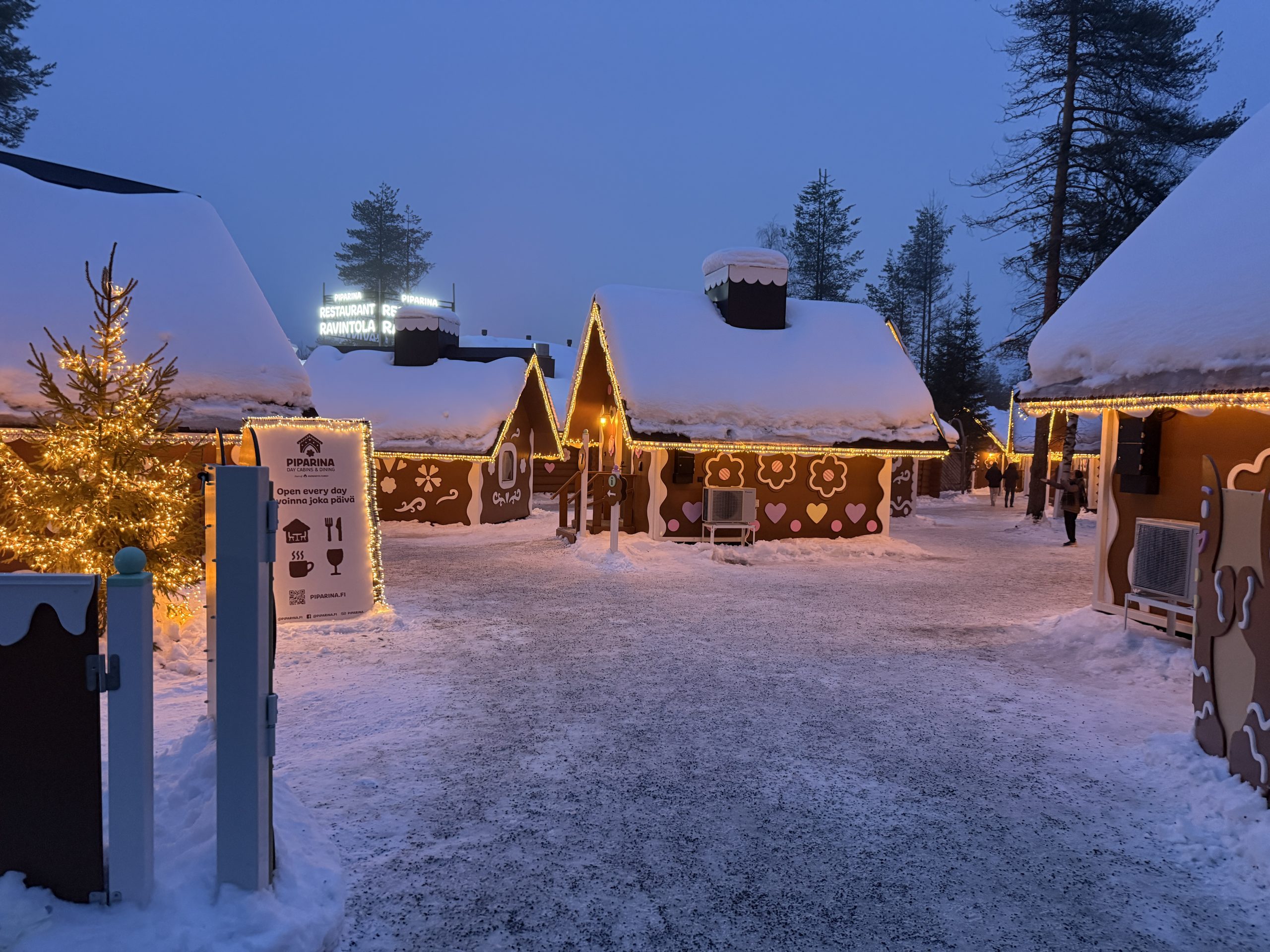
This is the season for husky safaris, snowmobile tours, reindeer sleigh rides, ice fishing, smoke saunas, and sleeping under the stars in a glass igloo watching the aurora move across the sky. Christmas markets in Rovaniemi run through December, and the Santa Claus Village is in full festive swing. Winter is when Lapland is most itself and also when its magic is most intense.
What Is Spring in Lapland Like? (April – May)
The snow lingers through April and well into May, but the light is returning fast. Long golden days, still-good Northern Lights probability in April, and the beginning of quieter, more affordable travel. Cross-country skiing and snowshoeing are excellent in spring, when the sun is warm but the landscape remains fully white. Spring also sees the return of migrating birds and the first signs of life in the birch forests.
What Is Summer in Lapland Like? (June – August)
Lapland transforms completely in summer. The snow melts to reveal rivers, wildflower-covered fells, and forests that are deep and green and absolutely alive. Temperatures are mild, typically 10–20°C, and the midnight sun means you can hike, kayak, or fish at any hour of the day or night.
Summer Lapland is significantly less crowded than winter, more affordable, and carries a completely different atmosphere. Lapland is calm, warm, luminous, and almost otherworldly in its brightness. Many travelers who visit in winter return in summer just to see the same landscape in its opposite state.
What Is Autumn in Lapland Like? (September – October)
Lapland’s autumn foliage season, known as the ruska, is one of the most underrated travel experiences in northern Europe. When the birch forests and tundra turn vivid shades of red, orange, and gold across thousands of square kilometers in September and October, the landscape looks like it has caught fire. The Northern Lights season begins in September as the nights grow long again. Hiking conditions are excellent, the air is sharp and clean, and the Lapland silence deepens as summer’s visitors depart.
How Do You Get to Lapland?
Because Lapland spans four countries, how you get there depends heavily on which part you want to visit.
How Do You Get to Finnish Lapland?
The most popular entry point is Rovaniemi Airport, which is the second busiest airport in Finland and the one most tour operators mean when they say “fly to Lapland.” Finnair operates year-round flights from Helsinki, and during peak season (November to February) charter flights connect directly from London, Manchester, Amsterdam, Paris, and other European cities. You can also take the Santa Claus Express Train from Helsinki to Rovaniemi, but it takes 8-11 hours. Taking the overnight route is a popular option.
Kittilä Airport is popular for the Levi ski resort area, and Ivalo Airport serves those heading to the far north near Saariselkä and Inari.
How Do You Get to Norwegian Lapland?
Tromsø Airport is well-connected to Oslo and to several direct European routes, particularly in winter. Norwegian and SAS operate regular services. From Tromsø you can reach other Norwegian Arctic destinations including Alta and Kirkenes. The Hurtigruten coastal ferry service, one of the most scenic sea journeys in the world, also connects Tromsø with ports along the Norwegian coast.
How Do You Get to Swedish Lapland?
Kiruna Airport serves Swedish Lapland’s main hub. SAS and Norwegian run flights from Stockholm. The Malmbanan railway which is one of the world’s most scenic train journeys, runs north from Stockholm through mountains to Narvik in Norway. It stops at Abisko and Kiruna along the way.
✈️ First-Timer’s Pro Tip: If this is your first Lapland trip and you want the classic experience with the Northern Lights, Santa’s Village, reindeer, huskies, glass igloos, fly into Rovaniemi. It has the best year-round infrastructure, the most activity operators, and the widest range of accommodation. You can always explore more remote corners once you know what Lapland is about.
What Is the Difference Between Lapland and Rovaniemi?
This is one of the most common points of confusion for first-time visitors, and it’s worth clearing up clearly.
Rovaniemi is largest city in Finnish Lapland and the administrative capital of the region. It sits almost exactly on the Arctic Circle, giving it its famous positioning as the “Gateway to the Arctic.” It has a proper international airport, hotels at every price point, excellent restaurants, museums, and easy access to wilderness activities within minutes of the city center.
Lapland is the vast region around and north of Rovaniemi with hundreds of thousands of square kilometers of Arctic landscape. Many travelers fly into Rovaniemi and use it as a base while taking day trips or multi-day excursions into the wider Lapland wilderness.
Here is an analogy that may help to clarify the difference: Rovaniemi is to Lapland roughly what Queenstown is to New Zealand’s South Island. A well-developed, well-connected hub surrounded by extraordinary nature on every side.
💡 Going deeper into Lapland: For more solitude and wilderness, consider spending time north of Rovaniemi in Saariselkä, Inari, Levi, or Ylläs. Each offers a quieter, more remote experience while still having enough infrastructure for a comfortable stay. The further north you go in Finnish Lapland, the more extreme the Arctic phenomena and the fewer the crowds.
Wrapping Things Up: Where Is Lapland and Is It Worth Visiting?
So, where is Lapland?
Lapland is an Arctic region spanning the far north of Finland, Norway, Sweden, and Russia. It straddles the Arctic Circle, meaning it experiences polar nights, the midnight sun, and the Northern Lights. The indigenous Sámi people have called this land “Sápmi ” home for over 10,000 years. The largest and most visited section is Finnish Lapland, centered on Rovaniemi.
But geography can only tell you so much.
Where is Lapland, really? It’s that moment at 11:30pm when the cloud cover breaks and the sky turns electric green and everyone around you goes completely quiet at the same time. It’s a reindeer breathing warm mist into your palm on a -20°C morning. It’s the sound of a husky team accelerating into a white forest, and the feeling of the blue polar twilight that exists nowhere else on earth. It is a place that no picture will ever be able to justify the beauty or tell the whole story.
