
The Ultimate Guide to Planning Your LA 2028 Olympics Trip
So you’ve decided to go to the Los Angeles 2028 Olympics. First of all, that is an amazing decision. There is truly nothing like being in a stadium full of tens of thousands of people when an athlete does something that stops the world. It’s an experience you’ll be talking about for the rest of your life.
But here’s the thing: the Olympics don’t just happen for you. They require a little to alot of planning, especially if this is your first time attending or your first time in LA. Los Angeles in the summer of 2028 is going to be buzzing like nowhere else on earth, and the visitors who have the best time are always the ones who did a little homework in advance.
That’s exactly what this guide is for. Whether you’re flying in from across the country or across the world, I’m going to walk you through everything you need to know, from scoring tickets to finding the perfect place to stay, getting around the city, and making the most of your time beyond the venues.
First Things First: What Is the LA 2028 Olympics?
The 2028 Summer Olympic Games will be held in Los Angeles, California from July 14 to July 30, 2028, followed by the Paralympic Games from August 15 to August 27, 2028.
LA is no stranger to the Olympics — it hosted the Games in both 1932 and 1984 — but the 2028 edition is shaping up to be the biggest yet. We’re talking 36 sports, 49 venues spread across Southern California, and athletes from over 200 countries competing in front of home crowds for the first time in over four decades.
The backdrop? Hollywood, beaches, mountains, and year-round sunshine. LA is genuinely one of the most exciting cities in the world to visit, and the Olympics is the perfect excuse to finally make the trip.
Step 1: Get Your Tickets (Do This Early!)
Tickets are where a lot of first-timers get caught off guard, and the LA 2028 ticketing process is genuinely unlike anything you’ve experienced before. It’s not a straightforward “add to cart” situation. Understanding how it works before you try to navigate it will save you a lot of frustration.
How the LA28 ticketing system works
LA28 uses a draw-based system with multiple ticket drops. Here’s the four-step process:
1. Register at tickets.la28.org . This is free and no purchase required. This enters you into the draw.
2. Get selected (or not) for a time slot. After each registration window closes, LA28 randomly selects registrants and assigns each one a specific 48-hour purchase window. Not everyone gets selected for every drop. But here’s the crucial part: fans who registered but were not selected for a time slot will automatically be entered into all future draws without needing to re-register. One registration covers you for all future drops.
3. Shop during your window. Selected fans get a 48-hour window to buy tickets. Once a ticket is added to the cart, buyers have 30 minutes to check out. Have your Visa card ready, it’s the official way to pay. You can, however pay with other types of credit cards.
4. More drops to come. Drop 1 ran April 9–19, 2026. Additional drops will follow as the Games approach. Sign up for the LA28 newsletter at la28.org to be notified about registration for the next draw. Paralympic tickets go on sale in 2027.
Ticket limits to know: Each person can purchase up to 12 tickets across Olympic competitions and ceremonies. Fans can also purchase up to 12 tickets for soccer matches which do not count toward the general 12-ticket maximum. No more than four tickets can be purchased per Opening or Closing Ceremony per account.
Later in 2026 a Re-Sale option will open: This will allow you to purchase tickets from individuals who no longer want the tickets they purchased.
Pricing reality check: What has been advertised is that ticket prices start at around $28 and go into the thousands. Roughly half of all tickets are expected to cost more than $200, and about 5% will cost more than $1,000. Also be aware that service fees can add up, but are included in the price you see in the “prices start at xxx” when you are officially looking at tickets. When I looked at tickets in the first drop, only several events had tickets that started below $100. High demand events such as swimming, athletics (track and field), gymnastics, and beach volleyball either had no tickets available or prices started around $500 per ticket.
Real-world ticket prices – what Drop 1 actually showed:
Drop 1 (As of April 9, 2026- the session is still open as of the time this article was updated) gave us the first real look at what tickets actually cost across sports and sessions. If you missed Drop 1, don’t worry, more drops are coming. But these prices give you a genuine guide for budgeting. Here’s a sample of what was on offer for the first week of competition (July 15–19, 2028):
For July 15:
| Event | Venue | Time (Local) | Starting Price |
| Volleyball Men’s Preliminary | Honda Center, Anaheim | 1:00–3:30 pm | $210.85 |
| Badminton Mixed Preliminary | Galen Center, Exposition Park | 2:00–4:35 pm | $204.65 |
| Handball Men’s Preliminary | Long Beach Arena | 2:00–5:30 pm | $148.84 |
| Judo Mixed Final | LA Convention Center, DTLA | 4:00–7:00 pm | $471.31 |
| Equestrian Mixed Preliminary | Santa Anita Park, Arcadia | 4:30–7:00 pm | $292.72 |
| Athletics (Track & Field) Mixed Final | LA Memorial Coliseum | 5:00–8:15 pm | $744.18 |
| Hockey Women’s Preliminary | Carson Field | 5:30–10:30 pm | $93.02 |
| Cricket Women’s Preliminary | Fairgrounds Cricket Stadium, Pomona | 6:00–9:30 pm | $105.43 |
| Rugby Sevens Women’s Final | Carson Stadium | 7:00–9:30 pm | $477.52 |
| Baseball Men’s Preliminary | Dodger Stadium, DTLA | 7:00–10:00 pm | $204.65 |
| Beach Volleyball Mixed Preliminary | Alamitos Beach Stadium, Long Beach | 8:00–11:00 pm | $582.94 |
What this tells us about budgeting:
A few patterns jump out from the real Drop 1 pricing. Athletics (track & field) finals are among the most expensive events, starting at $744 for Day 1. Rugby sevens and judo finals also command premium prices ($477+). Beach volleyball at Alamitos Beach is consistently around $558–$583. On the more affordable end, field hockey and cricket sessions start around $93–$105, and handball starts around $149. Soccer matches outside of LA (Columbus, St. Louis) start under $100. If you’re budget-conscious, the off-peak morning sessions in Long Beach and Carson offer genuine value without compromising on the Olympic atmosphere.
A note on “Standard tickets currently unavailable”: Some sessions, like the fencing quarterfinals, showed as unavailable in Drop 1. This doesn’t mean those tickets are gone forever. More inventory is released in each subsequent drop. If you missed a session you wanted, sign up for the LA28 newsletter and watch for Drop 2 announcements.
Where are the events? Understanding the venue zones before you buy your tickets
This is something that genuinely surprises many first-time Olympic attendees: the LA28 Games include zones across Los Angeles County, broader Northern and Southern California, Oklahoma City, Columbus, Nashville, New York City, and St. Louis. Events are spread across 24 different zones, some right in the heart of LA, some hours away, and some in entirely different states. Knowing which zone your event is in is essential for planning where to stay and how to get there.
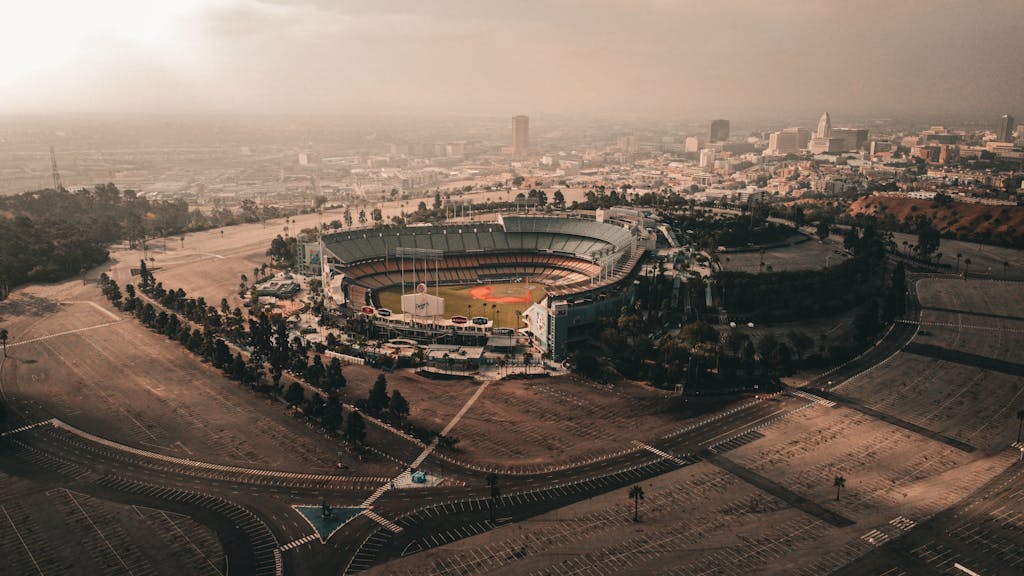
Here’s a breakdown of the main zones and what’s happening in each:
Downtown LA (DTLA) Zone
The heart of the Games. Home to the DTLA Arena (gymnastics, artistic swimming), the LA Convention Center (judo, taekwondo, weightlifting, fencing, wrestling), Peacock Theater (boxing), and Dodger Stadium (baseball). This is the most walkable, transit-accessible zone.
Exposition Park Zone
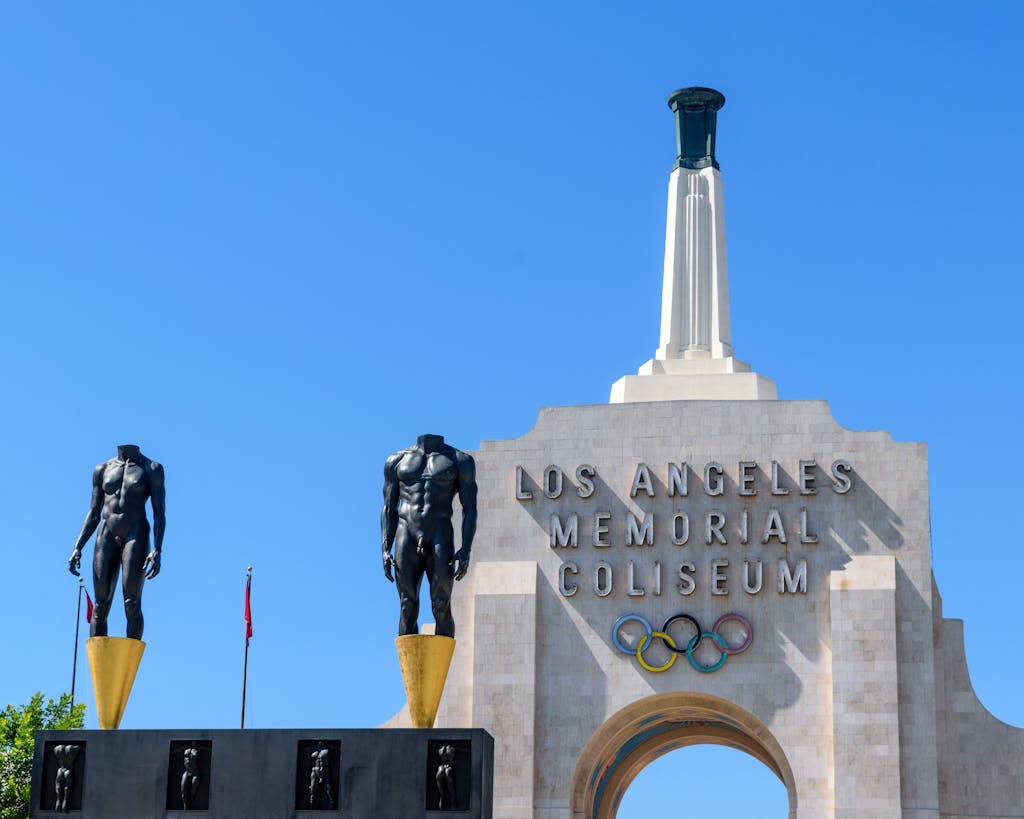
The iconic LA Memorial Coliseum hosts athletics (track & field) and co-hosts the Opening Ceremony. It will become the first venue to host three separate Olympic Games, previously used in 1932 and 1984. BMO Stadium here hosts flag football and lacrosse.
Inglewood Zone
The two biggest venues. SoFi Stadium hosts swimming (in a temporary pool installed inside the stadium, a first in Olympic history!) and co-hosts the Opening Ceremony. The Intuit Dome hosts basketball. Both are served by the new K Line Metro extension and Inglewood Transit Connector.
Pasadena Zone
The Rose Bowl will also host its third Olympic Games, staging the soccer gold medal matches for both men’s and women’s competitions.
Long Beach Zone
A fantastic cluster for beach and water lovers. Alamitos Beach hosts beach volleyball. Marine Stadium hosts rowing (it was built for the 1932 Olympics the same venue, 96 years later). Belmont Shore hosts sailing. Long Beach Arena hosts handball. Long Beach Aquatics Center hosts water polo.
Carson Zone
Located on the California State University, Dominguez Hills campus. Hosts field hockey, rugby sevens, and several other team sports across multiple stadiums and fields.
Anaheim Zone
Honda Center (home of the NHL’s Ducks) hosts indoor volleyball.
San Fernando Valley Zone
Multiple temporary venues hosting cycling, modern pentathlon, and other events.
Riviera Zone
Riviera Country Club hosts golf. This is one of the most exclusive venues at the Games.
Other Southern California zones
- Trestles Beach, San Diego County – surfing
- Santa Anita Park, Arcadia -equestrian (a venue also used in 1984)
- Rose Bowl Aquatics Center, Pasadena – diving
- Fairplex, Pomona – cricket (returning to the Olympics for the first time since 1900!)
- Universal Studios (Comcast Squash Center) – squash, making its Olympic debut
Oklahoma City Zone
Oklahoma City hosts softball at Devon Park (the home of the Women’s College World Series) and canoe slalom at the Riversport OKC Whitewater Center. OKC is roughly 1,300 miles east of LA , so if you want to attend these events, plan it as a separate trip entirely.
Soccer is spread across the nation
Soccer is the sport with the most complex geography. New York City, Nashville, Columbus, St. Louis, San Jose, and San Diego are the six cities outside of the LA area set to host soccer matches. The tournament runs July 10–30, with the men’s and women’s gold medal matches at the Rose Bowl in Pasadena. The men’s group stages will be in New York, Columbus, Nashville, and St. Louis. Women’s group stages will be in New York, Columbus, Nashville, St. Louis, San Jose, and San Diego. If soccer is your priority, you may need to plan travel to multiple cities.
Smart ticketing tips for first-timers
Plan by zone, not just by sport
LA28 recommends searching for sessions within the same zone to maximize your experience. Imagine watching judo at the LA Convention Center and then artistic gymnastics at the DTLA Arena, all in the same zone on the same day. Back-to-back events in different zones can mean long journeys on event days.
Mix big events with lesser-known sports
Some of the most electric Olympic atmospheres happen in the less-hyped sports. Weightlifting, wrestling, handball, and fencing are often cheaper, easier to get tickets for, and full of passionate fans who really know their sport. Don’t fill your entire budget on headline events.
Don’t overlook the new sports
Flag football, squash, cricket, and lacrosse are all either making their Olympic debut or returning after a long absence at LA 2028. These events will be genuinely historic to attend, and tickets will be far easier to secure than gymnastics finals.
For the Opening Ceremony
Tickets are capped at four per account and are among the most in-demand in the entire Games. If this is a priority, register for every draw and be ready to act the moment your purchase window opens.
Step 2: Book Your Flights – And Know Exactly When To Do It
Here’s something that catches a lot of first-time Olympic travelers off guard: you can’t book flights for July 2028 yet, and trying to do so right now will just leave you frustrated. That’s completely normal, it’s simply how airlines work.
Most major US airlines open their booking windows approximately 11 months in advance, which means flights for the Opening Ceremony on July 14, 2028 won’t appear until around mid-August 2027. Flights for the final days of the Games will open around early September 2027. Here’s how the major carriers break down:
| Airline | July 2028 Opens Around |
| Delta (Official LA28 Airline) | Mid-August 2027 |
| American Airlines | Mid-August 2027 |
| United Airlines | Mid-August 2027 |
| International carriers (British Airways, Lufthansa, Air France, Emirates) | July–August 2027 |
| Southwest | October 2027–January 2028 (variable) |
| Budget carriers (Frontier, Allegiant, Spirit) | October 2027 onward |
Mark August 2027 in your calendar
Mark August 2027 in your calendar right now and treat it like a ticket sale so that you are ready to search and book on day one. Flights to LA during the Olympics will be in extraordinarily high demand, and popular routes will sell out quickly once the window opens.
Should you book the moment flights open?
For a normal trip, the answer is usually no , fares are often cheaper 2–4 months before departure. But the Olympics is not a normal trip. Demand will be unlike anything these routes typically see, and waiting for a price dip is a gamble that will likely leave you with fewer options and higher prices. Book as soon as you can once the window opens.
If you’re using miles or points, act even faster
Award seats for peak travel periods, especially for a once-in-a-generation event like this, disappear within days of the booking window opening. Join your airline’s loyalty program now if you haven’t already, and start accumulating points. Being ready to book on day one of the award window is essential.
A note on Delta
Delta is the Official Airline of Team USA and an inaugural founding partner of LA28, with 170 daily flights through LAX. As the Games get closer, Delta is likely to offer Olympic-specific packages and promotions for spectators. Keep an eye on delta.com closer to 2027 for any special offers.
Consider flying into an alternative airport
LAX will be the busiest it has ever been during the Games. The good news is LA has four other commercial airports that are well-connected to the city. They are Hollywood Burbank (BUR), Long Beach (LGB), John Wayne/Orange County (SNA), and Ontario (ONT). Fares into these airports may be significantly lower, and the arrivals experience will be far less chaotic. All connect to the Metro or rideshare networks to get you to your hotel and venues.
What to do right now:
- Join your preferred airline’s loyalty program if you haven’t already
- Set a Google Flights price alert for LAX (and alternative airports) from your home city so that you’ll be notified the moment fares appear
- Set a calendar reminder for August 2027 as your flight booking date
Step 3: Book Your Accommodation Early – Like, Really Early
This cannot be stressed enough. Los Angeles is a massive city with millions of hotel rooms and Airbnbs, and during the 2028 Olympics, they will all be full. Availability close to venues will go first, and prices will be eye-watering.
A word on pricing: brace yourself!
Based on recent Olympic history, hotels and Airbnbs routinely price at 5 to 6 times their normal nightly rate during the Games. A hotel room that normally costs $150 a night could easily run $750- $900 or more in July 2028. This isn’t a scare tactic, it’s just the reality of how major sporting events work, and LA 2028 will be no different. Budget accordingly, and factor this into your overall trip cost from day one.
When can you actually book?
If you’ve tried to book already and found nothing available, that’s completely normal. Booking windows for July 2028 haven’t opened yet for most properties. Here’s what to expect: Airbnb (the official accommodation partner of LA28) will open bookings in July 2026. Most hotels will open their Olympic-period windows 12–18 months out, meaning late 2026 into early 2027 is your realistic window. Flights will open around August 2027 for most major airlines.
Set alerts now so you’re ready the moment bookings open
Don’t just wait and hope, put systems in place to be notified automatically:
- Google Hotels – Search your dates and click “Turn on Price Alerts.” It’s free and takes 30 seconds.
- Kayak – Has a built-in “Watch This Price” feature for specific hotels and date ranges.
- Visualping – The most powerful option. It monitors any hotel page and sends you an email or text the moment availability or pricing changes. You can even set custom conditions like “free cancellation available” or “price under $300.”
- Calendar reminder – Set a reminder for July 2026 to check Airbnb, and another for November 2026 to check hotels. Simple but effective.
Where to Stay
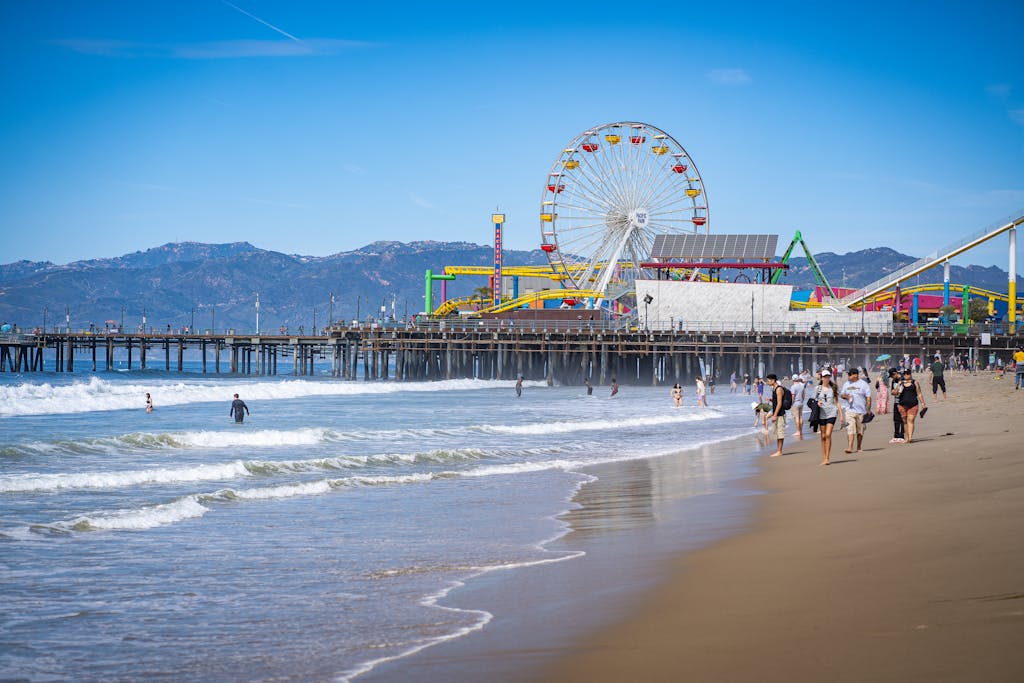
- Santa Monica & Venice Beach – Beautiful, laid-back, and close to beach volleyball and sailing events. Ideal if you want the quintessential LA experience.
- Downtown LA – Central, walkable to some venues, great restaurant scene. Better value than beach areas.
- Inglewood -Right next to SoFi Stadium (athletics, opening/closing ceremonies) and the Intuit Dome (basketball). Convenient but book fast.
- Hollywood – Fun atmosphere, good transport links, lots of dining options.
- Pasadena – Quieter, charming, and a good base if you’re attending events in the eastern part of the metro.
📍Pro tip on value: Consider staying a few miles outside the main Olympic zones and using the Metro to get to events. Prices drop significantly once you’re away from the venue clusters, and the Metro is genuinely the fastest way to get around during Games time anyway. It’s a smart way to stretch your budget without sacrificing convenience.
Step 3: Plan Your Getting Around Strategy
Let’s be upfront about something: LA traffic on a normal Tuesday is already a lot. During the Olympics, with an estimated one million extra trips happening across the city every single day, driving to events is simply not a viable plan. Parking near venues will be extremely limited by design because security requirements restrict it, and the roads around stadiums on competition days will be unlike anything you’ve experienced.
The good news? LA is making its biggest public transport investment in history ahead of 2028, and for visitors who lean into it, getting around will actually be pretty smooth. Here’s everything you need to know.
The brand-new Games Enhanced Transit System (GETS)
This is the big one. LA Metro is launching a temporary Olympic-specific transit network called the Games Enhanced Transit System, or GETS, built entirely around moving spectators to and from venues. It will deploy up to 2,700 buses, nearly double LA Metro’s entire current fleet, sourced from transit agencies across California and beyond. The GETS will run dedicated routes between Metro rail stations, park-and-ride sites, and every Olympic venue zone, and will be in operation from the Olympic Village opening all the way through the end of the Paralympic Games on August 30, 2028. Think of it as an Olympic-only bus and shuttle network layered on top of the regular Metro system.
New rail lines opening before the Games
LA is also completing several major rail expansions specifically timed for 2028:
- D Line (Purple Line) Extension – A major new subway extension from Koreatown all the way to Westwood/UCLA, with seven new stations. This is significant because UCLA is the Olympic Village, housing all competing athletes. The extension is targeting a full opening in late 2027.
- K Line (Crenshaw Line) Extension – The K Line is being extended to connect directly with the new LAX Automated People Mover (more on that below) and south to the Inglewood Olympic zone, making it the primary rail link between the airport and the two biggest venues — SoFi Stadium and the Intuit Dome.
- Inglewood Transit Connector (ITC) – A brand-new 1.6-mile people mover system connecting the K Line directly to SoFi Stadium and the Intuit Dome. If you’re attending the Opening or Closing Ceremony or any athletics event, this connector is how you’ll get there smoothly.
The brand-new LAX Automated People Mover : a game-changer for international visitors
If you’re flying into LAX, this will completely change your arrival experience. A new automated people mover connecting all LAX terminals directly to the Metro rail network opens in 2026. It will be running nonstop every two minutes and carrying up to 200 passengers per train. From the connector, you step straight onto the K Line and can reach SoFi Stadium in about 25–35 minutes, completely independent of road traffic. No taxi line, no rideshare surge pricing, no freeway. This is genuinely exciting infrastructure for anyone attending the Games.
How to get to key venues by transit
- SoFi Stadium (Opening Ceremony, Closing Ceremony, Athletics) — LAX People Mover → Aviation/LAX station → K Line to Westchester/Veterans. About 25–35 minutes from the airport.
- Intuit Dome (Basketball) – Same K Line route, using the new Inglewood Transit Connector.
- UCLA venues (Gymnastics, Soccer) – D Line extension to the new Westwood/UCLA station.
- Long Beach venues (Beach Volleyball, Sailing) -A Line to 1st Street, Downtown Long Beach, or Pacific Avenue stations.
- Honda Center, Anaheim (Hockey) – Metrolink to the ARTIC station.
Park-and-ride options
Not every visitor will be staying within easy walking distance of a Metro station, and that’s fine. LA Metro is establishing 25 park-and-ride sites across the region, mostly at Metro transfer stations, colleges, and universities, where you can leave your car and connect to the GETS shuttle network to your venue. This is a smart option if you’re staying in the suburbs or driving in from outside the city.
TAP card – get one before you arrive
The TAP card is your key to the entire Metro system for rail, buses, and the GETS shuttle network. A single Metro ride costs $1.75, a day pass is $5, and a 7-day pass is $20. You can order a TAP card online at taptogo.net before your trip and load it up in advance. LA Metro is also expected to offer special Olympic passes closer to the Games, so keep an eye on metro.net for details.
Rideshare- use with caution
Uber and Lyft will be available, but surge pricing around Olympic venues on event days will be significant. There will also be designated rideshare pickup and drop-off zones near venues rather than standard curbside pickup, which can add walking time. Use rideshares for off-peak trips and non-venue days, and lean on the Metro for anything event-related.
Walk and cycle where you can
Some venue clusters have multiple competitions within easy reach on foot. The beach events at Santa Monica and Long Beach are a great example. You can watch multiple sports in the same area without any transit at all. LA has also been expanding its bike infrastructure ahead of 2028, and rental bikes and e-scooters will be widely available for shorter hops between venues or neighborhoods.
One honest caveat
The GETS bus expansion is ambitious, and some of its federal funding was not included in the Trump administration’s most recent budget proposal. The core rail network, the D Line, K Line, and LAX People Mover, will definitely be operational. The scale of the supplementary bus system may still evolve. Check metro.net/2028games for the latest updates as the Games approach.
Step 5: Build Your Event Schedule
With 36 sports on offer, this is actually one of the most fun parts of planning, and one of the most overwhelming. Here’s a simple approach:
Pick your must-sees first
What sports do you genuinely love? Buy tickets for those events before anything else, even if they’re more expensive.
Fill the gaps with new experiences
The Olympics is the perfect place to watch a sport you’ve never seen live. Swimming at SoFi Stadium, beach volleyball on the sand, fencing, gymnastics, these are experiences you simply can’t replicate anywhere else…and these are the best athletes in the WORLD competing regardless of which sport you are watching.
Don’t overschedule yourself
It’s tempting to fill every single day with back-to-back events, but you’ll burn out fast. Leave time for the city itself. For example, a morning at the beach, an afternoon in a great neighborhood, a long dinner with no rush. The Olympics is an entire experience, not just a schedule.
Keep an eye on these headline events:
- Track & field at the iconic LA Memorial Coliseum
- Swimming at SoFi Stadium (a brand-new setup — the pool is being installed inside the stadium!)
- Gymnastics (especially if Simone Biles competes)
- Basketball at the Intuit Dome
- Beach volleyball at the beach venues
Step 6: Explore LA Beyond the Venues
This is where your trip goes from great to unforgettable. Los Angeles has so much to offer beyond the stadiums, and the best Olympic visitors are the ones who treat the Games as part of a bigger California adventure.
Things to do near the Olympic venues:
- Santa Monica Pier & beach walk -Right near the beach volleyball and sailing events
- Griffith Observatory – Stunning views over the city, free to visit
- The Getty Center – World-class art museum with incredible architecture
- Grand Central Market – Downtown LA’s legendary food hall
- Venice Beach Boardwalk – Quintessential LA color and character
⛱ Consider a day trip: The California coast is extraordinary. If you have a day to spare between events, consider a drive up to Malibu, a trip to Santa Barbara, or a visit to Joshua Tree National Park. These experiences are part of what makes an LA trip truly special.
Step 7: Budget for Your Trip
Here’s a rough guide to help you plan financially. A word of warning before you look at these numbers: the Olympics is not a normal travel period, and the two biggest costs, flights and accommodation, will be significantly higher than what you’d normally pay for an Los Angeles trip. Plan for that reality from the start rather than getting a nasty surprise later.
| Category | Budget Estimate | Olympic Reality Check |
| Flights (US domestic) | $400 – $1,200 round trip | Expect 2–3x normal LA fares |
| Flights (international) | $1,200 – $3,500+ round trip | Book the day the window opens |
| Hotel per night (budget) | $400 – $600 | Based on 4–5x normal rates |
| Hotel per night (mid-range) | $600 – $1,200 | Book late 2026, earliest available |
| Hotel per night (luxury) | $1,500+ | Some already sold via packages |
| Olympic tickets (per session) | $30 – $600+ | Mix popular & lesser-known sports |
| Food per day | $60 – $150 | Avoid venue concessions |
| Transport (Metro TAP card) | ~$7/day | 7-day pass $20, Olympic pass TBC |
| Activities & extras | $50 – $200/day | Many free things to do in LA |
Money-saving tips:
- Flights should open August 2027 – book immediately on day one, don’t wait for a price drop
- Use miles and points for flights if you have them – start accumulating now
- Consider flying into Burbank, Long Beach, or Ontario airports instead of LAX for lower fares
- Stay a few miles outside the main Olympic venue zones – hotel prices drop significantly
- Mix high-demand events with cheaper, lesser-known sports for your ticket lineup
- Use the Metro for all event days – rideshare surge pricing will be brutal
- Eat at local spots and markets rather than venue concessions
- Many of LA’s best attractions such as beaches, Griffith Observatory, and walking neighborhoods, are completely free
Step 8: Practical Tips for First-Timers
A few final things that will make your trip smoother:
Arrive a day early
Give yourself time to settle in, beat the jet lag, and get oriented before your first event. You do not want to be rushing off a red-eye flight to make a 9am competition.
Download the LA28 app
Download the LA28 app when it launches. Official apps provide real-time schedules, venue maps, transport info, and updates on any changes. Essential.
Dress for the weather, but bring layers
LA in July and August is warm and sunny (think mid-80s°F / 28-30°C), but indoor arenas can be aggressively air-conditioned. Bring a light jacket for evening events and indoor venues.
Carry a reusable water bottle
Staying hydrated in the California heat is important, and refill stations will be available throughout venues.
Be early, be patient, and enjoy the atmosphere
The Olympics is about so much more then the competition. It’s about the crowd, the flags, the energy in the air outside the venues before an event. Leave time to soak it all in.
Ready to Start Planning?
The LA 2028 Olympics are shaping up to be something truly special. A home Games for Team USA, iconic California venues, world-class athletes with one of the world’s most exciting cities as your backdrop. There has never been a better reason to make the trip.
Start with the three most important steps right now: register for tickets at la28.org, set accommodation alerts for late 2026, and mark August 2027 in your calendar as your flight booking date. The readers who not only act early but also act at the right times, will have the smoothest, most affordable experience.
Bookmark this guide! I’ll be updating it regularly as more details are confirmed, ticket windows open, and the Games get closer. And check back on the blog for dedicated deep-dives on the best neighborhoods to stay, venue-by-venue accommodation guides, day trip ideas, and everything else you need to make your LA 2028 trip the trip of a lifetime.
You might also like:
- Best Neighborhoods to Stay in LA During the 2028 Olympics (coming soon)
- LA 2028 Tickets: How to Buy, What to Expect & How to Budget (coming soon)
- LA 2028 Transportation Guide: Getting Around Without a Car (coming soon)
