
Copenhagen Hidden Gems: 10 Unique Experiences Locals Love
Wandering Everywhere contains affiliate links and is a member of Amazon Services LLC Associates Program. If you make a purchase using one of our links, we may receive compensation from the company at no additional cost to you. Read our disclaimer here.
After spending a few weeks in Copenhagen, we set out to uncover the city’s hidden gems, the places most tourists walk right past. While the crowds gather at the Little Mermaid statue, the real Danish capital is waiting a little further out, in creative neighborhoods, underground art spaces, and the quiet corners that locals love but guidebooks rarely mention.
From rooftop farms to harbor saunas, these alternative attractions deliver something more memorable than the usual tourist checklist, and usually without the crowds. We’ve gathered the authentic, lived-in spots where Copenhageners actually spend their time, so you can experience the city the way they do.
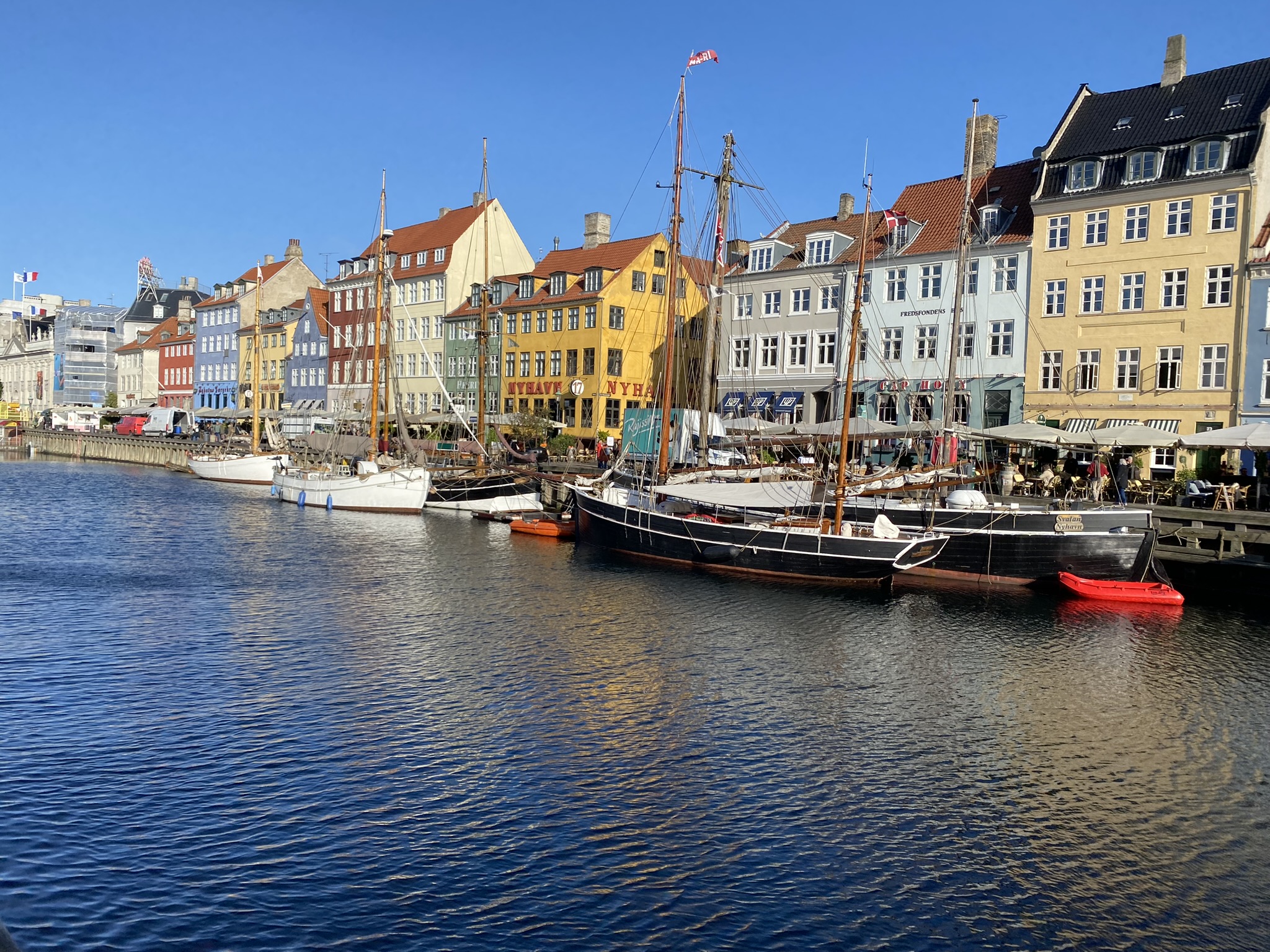
Quick Reference Guide
Best for Nature Lovers: Naturpark Amager, Svanemølle Beach
Creative Souls: Refshaleøen Island, Cisternerne
Culture Seekers: Nørrebro, Vesterbro
Budget-Friendly: Harbor Bus, Superkilen Park
Unique Dining: Gro Spiseri
Best Views: Church of Our Saviour
1. Explore Naturpark Amager: Copenhagen’s Urban Wilderness
Location: Kalvebod Fælled 1, 2300 København S
Cost: Free
Time Required: 3-6 hours
Best Season: April-October
Just 15 minutes from Copenhagen’s city center lies a 13.5 square miles (35-square-kilometer) nature reserve that feels worlds away from urban life. Naturpark Amager is where locals escape for weekend cycling adventures, bird watching, and peaceful picnics among wild horses and Highland cattle.
The park features three distinct landscapes: salt marshes perfect for spotting rare migrating birds, open meadows where Konik horses roam freely, and dense forests with well-marked hiking trails. The bird watching tower at Kalvebod Fælled offers panoramic views across Øresund toward Sweden on clear days.
Insider Tip:
Visit during early morning hours (7-9 AM) for the best wildlife spotting opportunities. The park’s café serves excellent Danish pastries and locally roasted coffee. Perfect for families with children, photography enthusiasts, or anyone craving quiet away from the city.
Getting There:
Take Metro Line M2 to Ørestad Station, then bus 30 to Naturcenter Amager (10-minute ride).
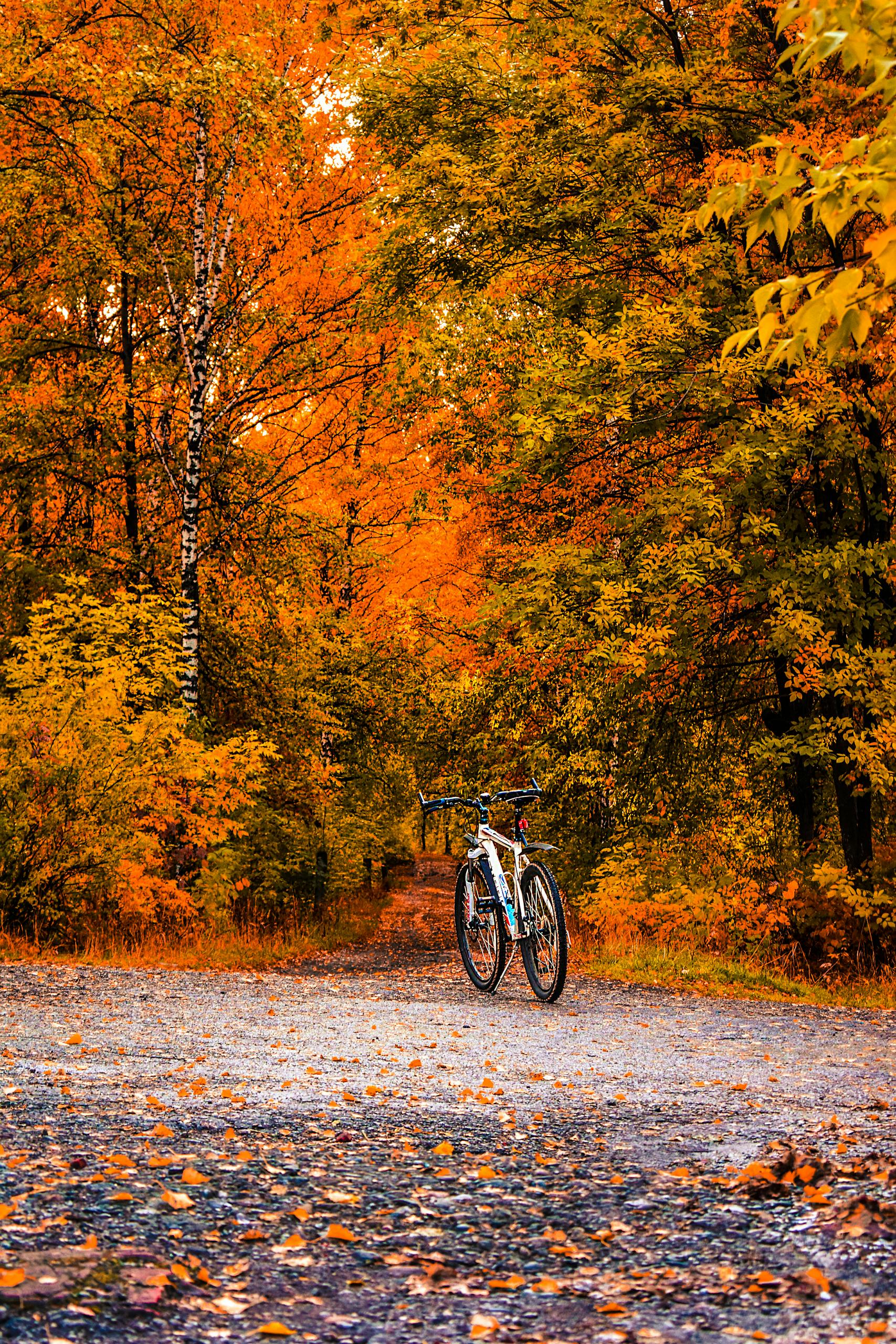
2. Experience Bohemian Nørrebro: Copenhagen’s Creative Heart
Main Strip: Ravnsborggade
Cost: Window shopping free, café visits 40-80 DKK
Time Required: Half day (4-5 hours)
Best Time: Weekday afternoons for fewer crowds
Nørrebro pulses with multicultural energy that makes it Copenhagen’s most authentic neighborhood. This former working-class district has transformed into a bohemian paradise where vintage shops, independent coffee roasters, and street art murals create an atmosphere you won’t find in guidebooks.
We started our exploration on Ravnsborggade, lined with secondhand treasures and design stores selling handmade ceramics and vintage Danish furniture. The scent of cardamom and cinnamon from Middle Eastern bakeries mingles with freshly ground coffee from tiny roasteries. Street art covers building walls, with ever-changing murals by local and international artists.
Don’t Miss:
Assistens Cemetery (Assistens Kirkegård) is the leafy resting place of Hans Christian Andersen, Søren Kierkegaard, and Niels Bohr. About a 10-minute walk from Ravnsborggade, locals treat this cemetery like a park. You will see locals jogging past famous graves and picnicking under old oak trees. It’s surprisingly peaceful and offers a unique glimpse into Danish attitudes toward death and remembrance. The cemetery’s western edge runs along Jægersborggade, one of Nørrebro’s best little streets, so pair your visit with a coffee from The Coffee Collective (Jægersborggade 57). The multi-award-winning roastery that helped put Copenhagen on the specialty-coffee map. After getting coffee, browse the indie boutiques, bakeries, and porridge spots that line the rest of the street.
Local Favorite Spots:
- Kyoto Café: Minimalist Japanese-Danish hybrid serving matcha lattes (Ravnsborggade 9)
- Vintage Bazaar: Three floors of curated vintage finds (Ravnsborggade 14)
Getting There:
Metro to Nørreport, then 10-minute walk, or take bus 5A directly to Ravnsborggade.
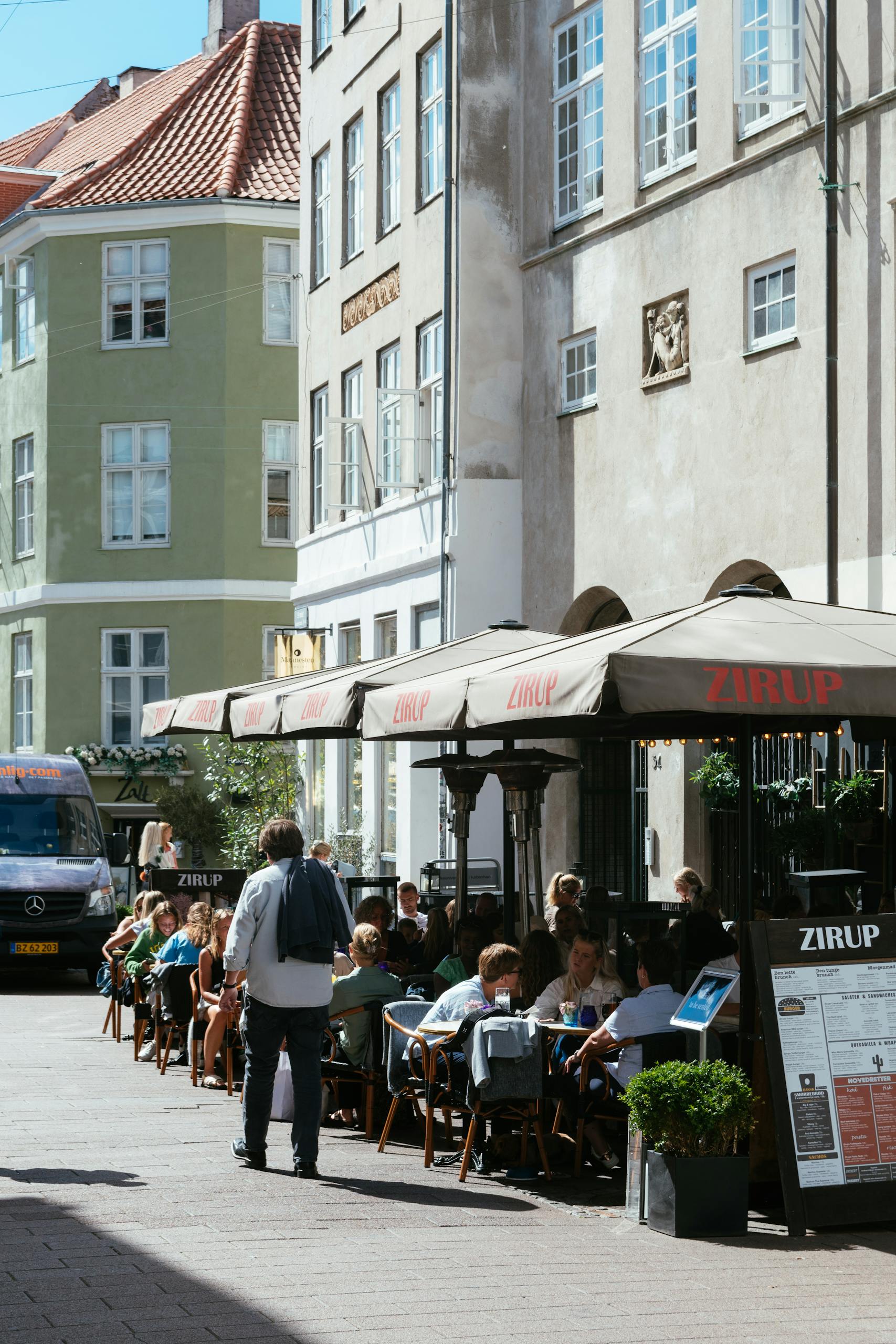
3. Discover Creative Refshaleøen Island: From Industrial Past to Cultural Future
Location: Refshaleøen, 1432 København K
Cost: Free to explore, food 80-150 DKK
Time Required: 3-4 hours
Season: March-October (outdoor season)
This former industrial shipyard island has been reborn as Copenhagen’s most exciting creative district. Massive warehouse spaces now house artist studios, innovative restaurants, and the famous Reffen Street Food Market, the largest street food market in Northern Europe where 60+ food vendors serve everything from Korean tacos to traditional Danish smørrebrød, alongside 10 bars and 4 creative workshops.
Walking through Refshaleøen feels like exploring a living art installation. Shipping containers have been transformed into restaurants, old cranes stand as industrial monuments, and new architecture blends seamlessly with maritime heritage. The island offers some of Copenhagen’s best harbor views, especially at sunset when the water reflects the city’s church spires.
Must Experience:
La Banchina café and sauna combination. La Banchina is a café, wine bar, and restaurant in a former boathouse with its own dock and wood-fired barrel sauna. Swim in Copenhagen’s clean harbor water from the dock, then warm up in the sauna with panoramic water views. Open year-round (not just in summer), with tasting menu dinners in winter and a more casual café atmosphere in summer. Book the sauna 1–2 weeks ahead.
Getting There:
Bus 9A from city center (20 minutes) or rent a city bike for a scenic 25-minute ride along the harbor.
Photography Tip:
30 minutes before sunset provides the most dramatic lighting for capturing the contrast between industrial heritage and modern creative spaces.
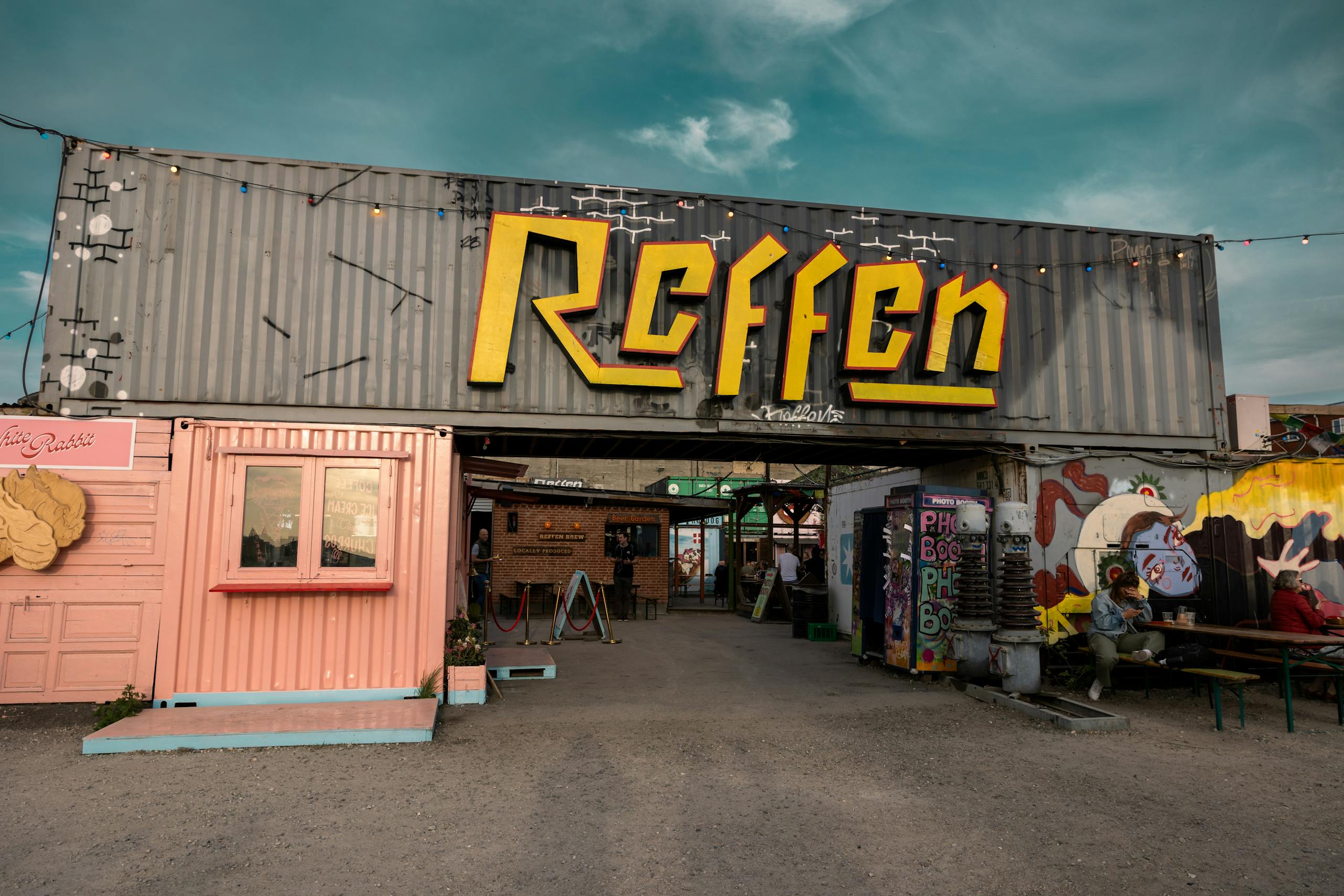
4. Cycle to Hidden Svanemølle Beach: A Local’s Favorite Seaside Escape
Location: Svanemølle Strand, Østerbro
Cost: Free
Time Required: 2-3 hours
Best Time: June-September, early morning or late afternoon
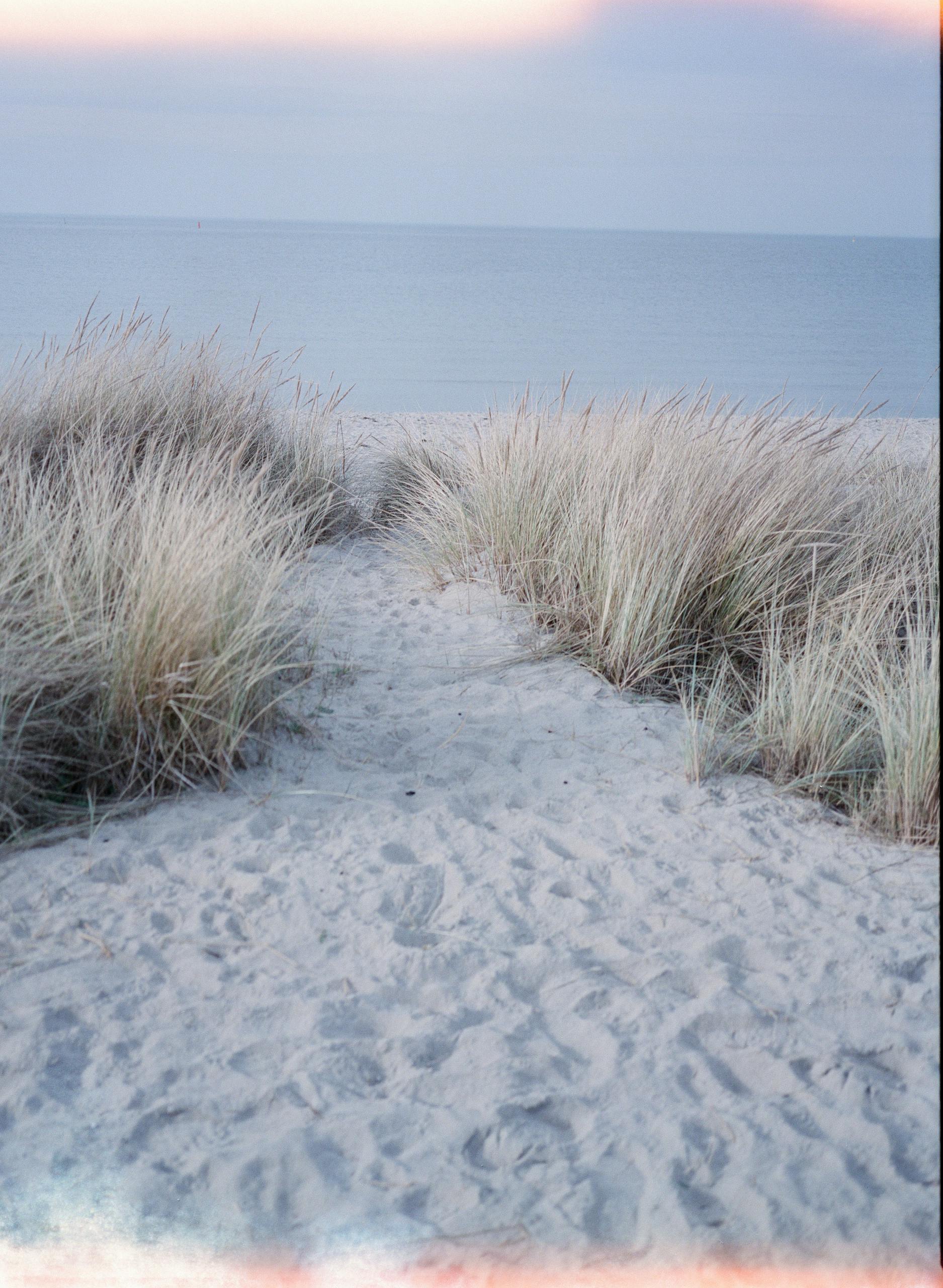
While tourists flock to crowded Amager Beach, Copenhagen locals cycle 20 minutes north to Svanemølle Beach, a hidden gem tucked away in the upscale Østerbro neighborhood. This small sandy beach offers everything you need for a perfect Danish summer day: clean swimming water, grassy areas for picnics, and views of the Øresund Bridge connecting Denmark to Sweden.
The beach sits below Svanemølle Harbor, creating a unique urban beach experience where you can watch small sailboats while children build sandcastles. Unlike the developed beaches further south, Svanemølle maintains a natural, uncommercialized feel with driftwood benches and wild grass growing right up to the sand.
Perfect Setup:
Pack a picnic from a nearby supermarket. There’s a Netto and a Meny along Østerbrogade, and grab fresh bread from Lagkagehuset bakery on your way.
Cycling Route:
Start from city center, follow the harbor bike path north through Kastellet park, past the Little Mermaid (perfect for a quick photo without stopping), continuing along Østerbro’s waterfront. Total cycling time: about 20 minutes from Kongens Nytorv. Bike rental options include Lime, Bolt, Donkey Republic or Bicycle Rental Copenhagen City Center.
➡️ Book: Bicycle Rental Copenhagen City Center
➡️ Read More: How to Explore Copenhagen by Bike in October
5. Explore the Surreal World of Cisternerne: Underground Art in a Former Reservoir
Location: Søndermarken Park, Frederiksberg
Cost: Check the official website for current pricing. The Frederiksberg Museum Pass (covering multiple museums) and the Copenhagen Card both include entry. Book online in advance.
Time Required: 1.5-2 hours
Best Time: Weekday mornings for intimate experience
Descending into Cisternerne feels like entering another dimension. This former underground water reservoir, built in 1856 to supply Copenhagen with drinking water, now hosts some of Europe’s most innovative contemporary art exhibitions. The cathedral-like space features soaring vaulted ceilings supported by ancient columns, creating an otherworldly atmosphere enhanced by dramatic lighting and sound installations.
Each year, Cisternerne commissions one internationally recognized artist to create a site-specific installation designed entirely around the space’s unique conditions , with dripping water, darkness, cool humidity, and cathedral-like acoustics. The 2026 exhibition is “Seven Deaths” by Marina Abramović, the legendary performance artist, running March 14 through November 30, 2026. This cinematic opera installation stages death through seven of opera history’s most iconic female roles, set to arias sung by Maria Callas, filling the dark underground chambers with sound and film. Tickets are valid for one year from purchase, and the space closes from December until mid-March each year.
💡 Practical Tip
Wear warm layers regardless of season because the temperature stays around 10°C / 50°F year-round. Avoid white shoes as the floors are damp. Photography is encouraged and the lighting creates extraordinary shots. Note: Cisternerne is not wheelchair accessible
Getting There:
Metro M1 or M2 to Frederiksberg Station, approximately 10-minute walk through Frederiksberg Gardens.
6. Cruise Like a Local on the Harbor Bus: Copenhagen’s Best-Kept Transportation Secret
Route: Lines 991/992 from Nordhavn to Sydhavn
Cost: 24 DKK (same as metro ticket, or free with Copenhagen Card)
Time Required: Full route 45 minutes
Frequency: Every 15-20 minutes
Skip expensive tourist canal cruises and travel like a true Copenhagener on the Harbor Bus (Havnebus). This yellow waterbus system was designed for commuters but offers visitors the city’s most affordable and authentic way to explore Copenhagen’s waterfront neighborhoods.
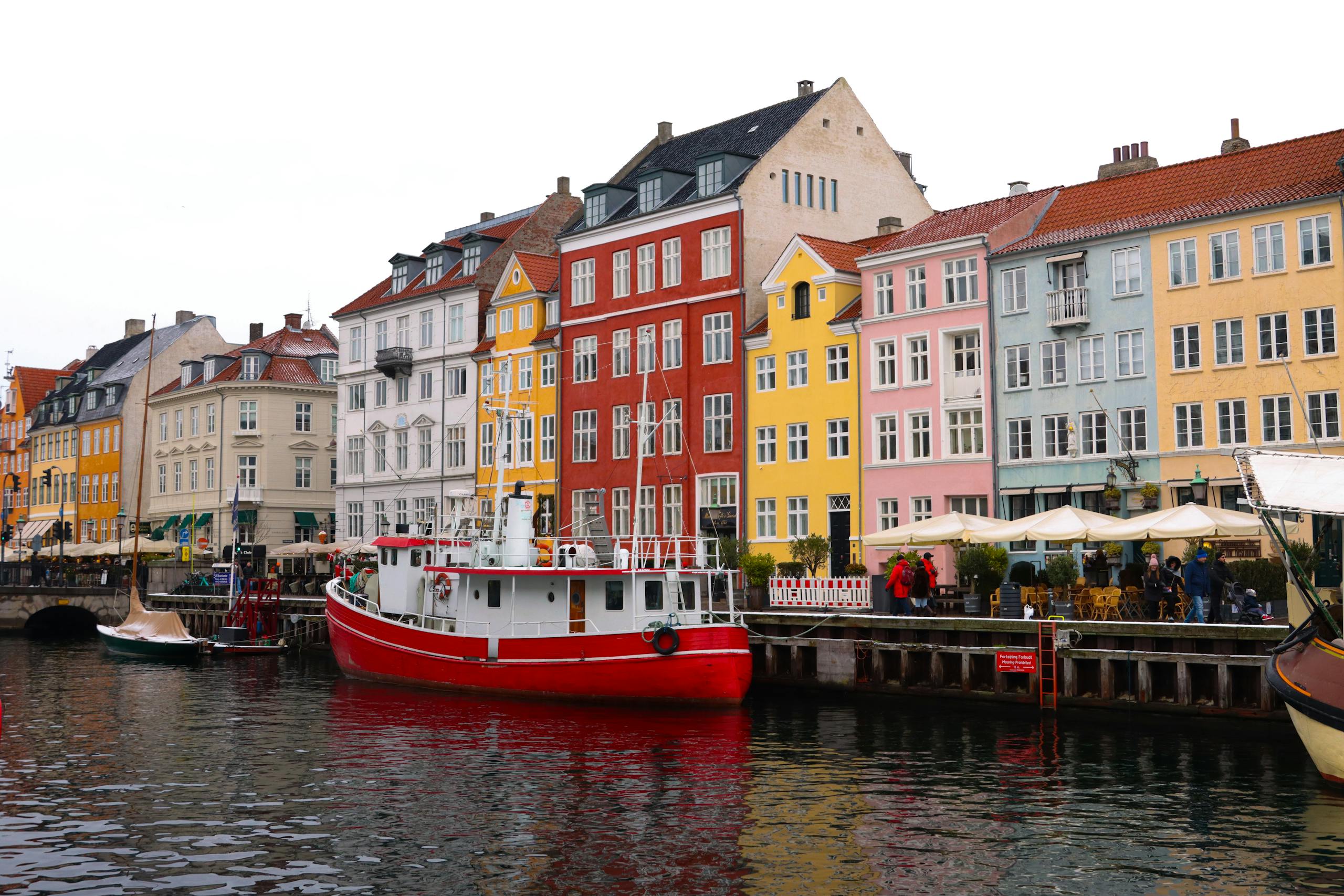
The 991/992 route provides stunning perspectives of Copenhagen’s architecture impossible to see from land. On our adventure, we glided past colorful Nyhavn from the water side, cruised under modern bridges, and discovered hidden harbor communities where locals live in floating houseboats. The journey revealed Copenhagen’s maritime identity, from historic naval areas to cutting-edge sustainable architecture.
Best Photo Opportunities:
- Nyhavn approach – for classic postcard shots without crowds
- Black Diamond Library – dramatic modern architecture
- Opera House approach – stunning harbor panorama
💡 Insider Strategy:
Buy a day pass and use the Harbor Bus for actual transportation between neighborhoods. It’s faster than cycling and offers continuous sightseeing. If you have a Copenhagen Card, the Harbor Bus is already included.
7. Wander the Vibrant Superkilen Park: A Global Journey in Three Colors
Location: Nørrebro District
Cost: Free
Time Required: 1-2 hours
Best for Photography: Late afternoon golden light
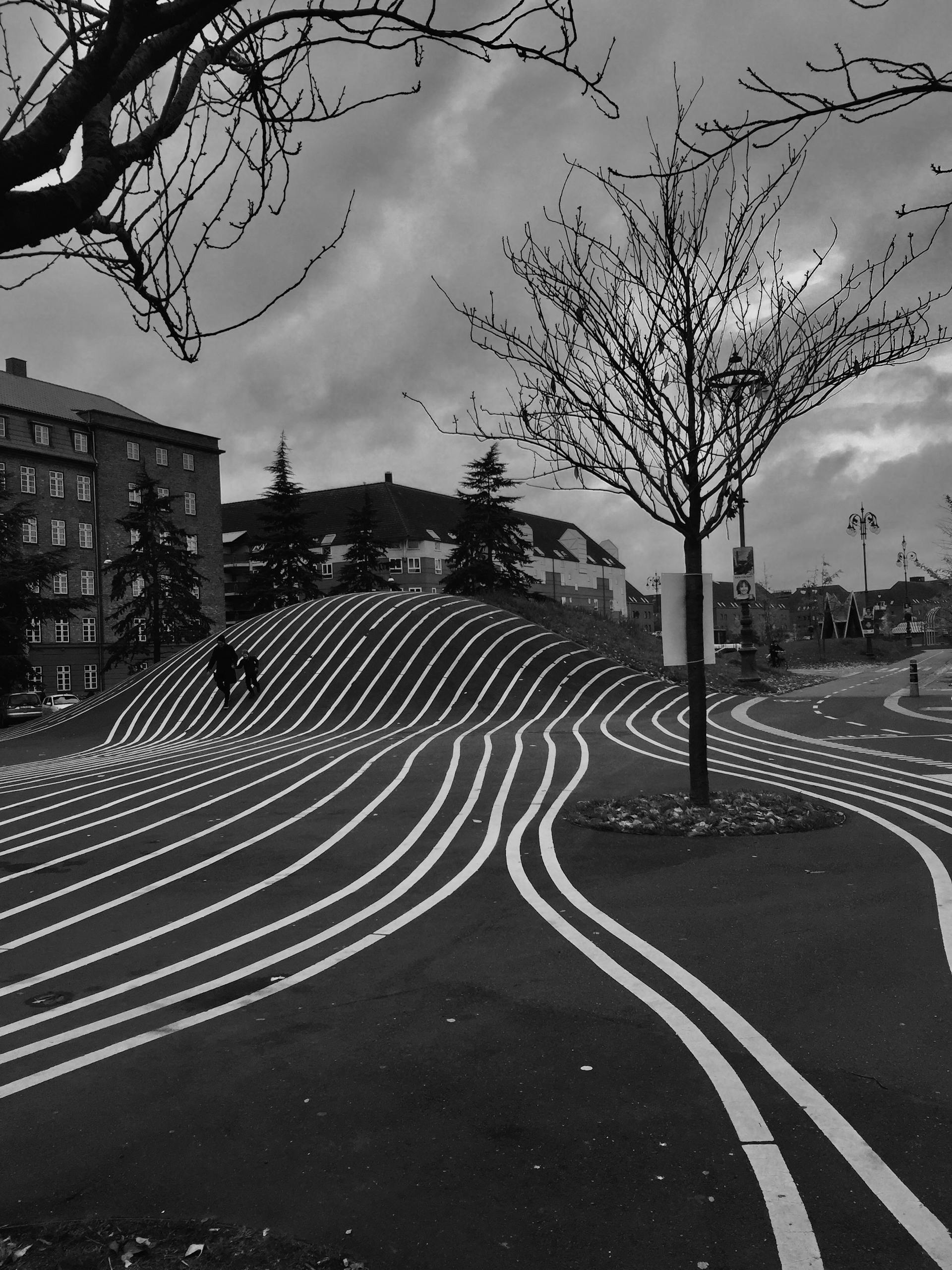
Superkilen Park represents Copenhagen’s commitment to celebrating diversity through design. This linear park stretches across three distinct sections, each representing different global cultures through carefully selected objects, plants, and design elements chosen by local immigrant communities.
The Red Square features Middle Eastern and North African elements, including Moroccan octagonal tiles, Turkish benches, and a Ramadan lamp from Egypt. The Black Market showcases global urban culture with a boxing ring from Thailand, playground equipment from Japan, and neon signs from around the world. The Green Park offers a more traditional recreational space with a diverse collection of trees and plants from every continent.
This park represents Copenhagen’s approach to integration, acknowledging that the city’s cultural richness comes from its immigrant communities. It’s both art installation and functional neighborhood space where locals from dozens of countries meet, play, and celebrate. Sunday afternoons are particularly lively, when families from the neighborhood gather for picnics and children play on equipment representing their parents’ home countries.
Getting There:
Metro to Nørreport, then bus 5A to Nørrebro Runddel (5-minute walk).
8. Climb the Iconic Spiral Tower at Church of Our Saviour: Copenhagen’s Most Thrilling View
Location: Sankt Annæ Gade 29, Christianshavn
Cost: 69 DKK adults, but check official site for current pricing
Time Required: 1 hour
Height: 90 meters to viewing platform
Best Time: Early morning or golden hour
Pre-booking: Strongly recommended, and sometimes required during busy hours
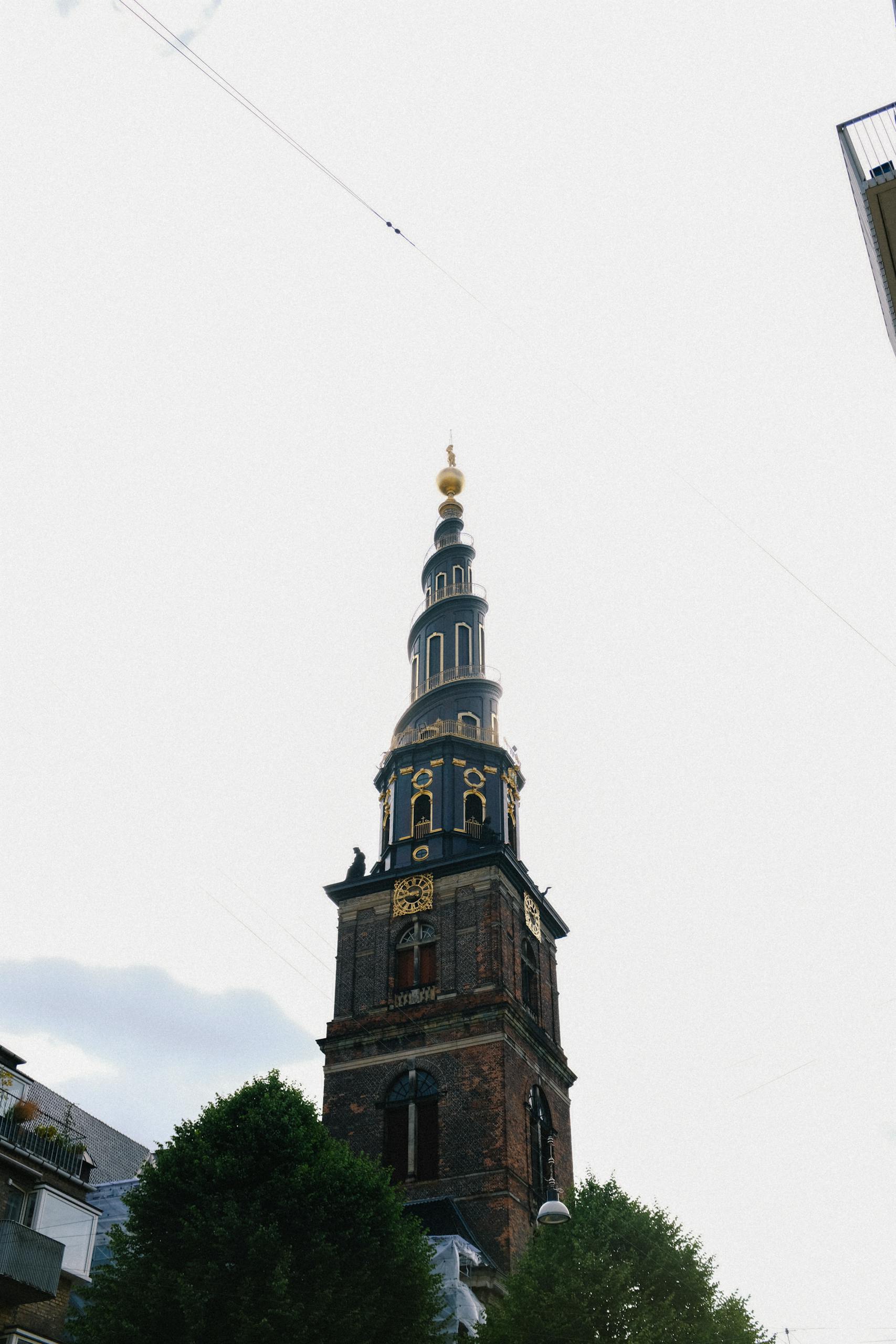
While tourists queue at the Round Tower (Rundetårn), locals head to Church of Our Saviour (Vor Frelsers Kirke) for Copenhagen’s most spectacular and heart-pounding panoramic views. The church’s distinctive gold-and-green spiral spire twists skyward, with an external staircase that offers 360-degree views as you climb.
The adventure begins inside with 400 wooden steps spiraling up through the church tower. Then comes the thrilling part: stepping outside onto the narrow external staircase that winds around the spire’s exterior. The golden bannister gleams in sunlight while Copenhagen spreads out below like a detailed map.
⚠️ Book Ahead
The church strongly recommends pre-booking online to avoid waiting time, and during peak hours staff can require online booking if the tower has reached capacity. The church entrance is free, but the tower requires a ticket. The tower closes temporarily during rain, snow, or strong winds. Not suitable for those with a fear of heights or mobility issues.
Architectural Marvel:
The church dates to 1696, with the spiral spire completed in 1752. The external staircase narrows as you ascend, creating an increasingly dramatic experience with each step.
Viewing Highlights:
Øresund Bridge, Sweden’s coastline, Copenhagen’s medieval city center, and the intricate network of canals that earned the city its “Venice of the North” nickname.
Getting There:
Metro to Christianshavn Station, then 5-minute walk along canal.
9. Indulge in Nordic Cuisine at Gro Spiseri: Farm-to-Table Dining Above the City
Location: Æbeløgade 4, 2100 København Ø
Cost: 3-course dinner 450 DKK, lunch 250 DKK
Reservations: Essential, book 3-4 weeks ahead
Season: Year-round (menu changes seasonally)
Dining at Gro Spiseri feels like discovering a secret garden floating above Copenhagen’s rooftops. This greenhouse restaurant sits atop a former car park, surrounded by organic vegetables, herbs, and edible flowers that end up on your plate within hours of harvesting.
The restaurant embodies New Nordic cuisine principles: hyperlocal ingredients, seasonal menus that change weekly, and presentation that celebrates natural beauty. Expect dishes like hand-picked sea buckthorn with fermented vegetables, wild herbs gathered from Copenhagen’s parks, and fish caught in Danish waters that morning. The dining format is communal where all guests sit together at one long wooden table (seating up to 25) and are served simultaneously.
Unique Experience:
Before dinner, take a guided tour of the rooftop farm where chefs harvest ingredients while you wait. The glass greenhouse glows like a lantern against Copenhagen’s evening sky, creating one of the city’s most romantic dinner settings.
Seasonal Highlights:
- Spring: Wild garlic and early herbs
- Summer: Edible flowers and peak vegetable season
- Autumn: Root vegetables and preserved preparations
Sustainability Focus:
Zero food waste policy, composting system, rainwater collection, and solar panels make this one of Copenhagen’s most environmentally conscious restaurants.
Dress Code:
Smart casual, but bring layers as greenhouse temperatures vary.

10. Immerse Yourself in Vesterbro’s Indie Scene: From Red Light District to Cultural Hotspot
Main Areas: Kødbyen (Meatpacking District), Istedgade
Cost: Varies, drinks 60-90 DKK
Time Required: Evening exploration (4-6 hours)
Best Time: Thursday-Saturday nights
Vesterbro’s transformation from Copenhagen’s former red-light district to its coolest cultural neighborhood represents urban renewal at its finest. Today, this area pulses with craft breweries, independent galleries, vintage boutiques, and restaurants that have earned international recognition.
The epicenter is Kødbyen (Meatpacking District), where former slaughterhouses now house everything from Michelin-starred restaurants to underground nightclubs. The cobblestone streets still echo with industrial history, but now they’re filled with young Copenhageners seeking authentic experiences away from tourist areas.
Craft Beer Scene:
- Mikkeller Bar – Pioneering Danish craft brewery with 40+ rotating taps
- Brewpub Copenhagen – Local favorite with house-brewed specialties
- Fermentoren – Natural wine and craft beer in intimate setting
Cultural Highlights:
- Gallery V1 – Contemporary art in converted warehouse space
- Sort/Hvid – Photography gallery showcasing Danish and international artists
Late-Night Dining:
- Pate Pate – Wine bar with innovative small plates
- BioMio – Organic pizzas and natural wines
- Gorilla – Popular spot for craft beer and creative comfort food
Shopping Finds:
- Episode – Curated vintage clothing across multiple floors
- Henrik Vibskov – Danish fashion designer’s flagship store
- Wood Wood – Streetwear and contemporary fashion
Getting There:
S-train to Dybbølsbro Station or metro to Enghave Plads.
Perfect Day Itinerary: Combining Multiple Experiences
Morning (9-12 PM): Start with Harbor Bus from Nyhavn to Refshaleøen Island, explore Reffen Street Food for coffee and pastries, sauna at La Banchina.
Afternoon (12-5 PM): Cycle to Svanemølle Beach for picnic lunch, then explore Nørrebro’s Ravnsborggade for shopping and coffee.
Evening (5-9 PM): Sunset dinner at Gro Spiseri, followed by drinks in Vesterbro’s Kødbyen.
Alternative Weekend Plan:
Naturpark Amager morning hike, Cisternerne afternoon visit, Church of Our Saviour climb for sunset views
Seasonal Considerations
Spring (March-May): Perfect for outdoor activities, fewer crowds, cherry blossoms in parks.
Summer (June-August): Peak season for rooftop dining, beach visits, and extended daylight hours.
Autumn (September-November): Cozy café culture, beautiful fall colors, harvest season at restaurants.
Winter (December-February): Cisternerne underground exhibitions, Gro Spiseri’s Christmas dinners and hygge evenings, La Banchina’s year-round sauna, and the cosy café culture of Nørrebro and Vesterbro.
Budget Breakdown
Free Experiences: Naturpark Amager, Superkilen Park, Nørrebro exploration, Svanemølle Beach
Budget-Friendly (Under 100 DKK): Harbor Bus, Church of Our Saviour, Cisternerne, craft beer bars
Mid-Range (100-300 DKK): Gro Spiseri lunch, sauna at La Banchina, shopping in vintage stores
Splurge (300+ DKK): Gro Spiseri dinner, extensive craft beer tasting, designer shopping in Vesterbro
>>Note that Denmark is almost entirely cashless and most places, even small markets, prefer cards or MobilePay over cash.
Getting Around: Transportation Tips
Copenhagen City Bikes: Free-floating bike sharing throughout the city. Copenhagen is one of the world’s great cycling cities.
Metro System: Efficient and connects to most neighborhoods mentioned. 24/7, every day
Harbor Bus: Unique water transportation doubling as sightseeing.
Walking: Many experiences are within walking distance of each other, particularly in the city center and Nørrebro/Vesterbro.
Frequently Asked Questions: Copenhagen’s Hidden Gems
What’s the best hidden beach in Copenhagen?
Svanemølle Beach in the Østerbro neighborhood is Copenhagen’s best local beach escape. Sitting below Svanemølle Harbor, it’s a small sandy stretch about a 15–20 minute bike ride north of the city center, easily reached via the harbor cycle path past Kastellet and the Little Mermaid. Unlike the larger, more developed Amager Beach that draws tourists, Svanemølle keeps a natural, uncommercialized feel, with grassy picnic areas, driftwood benches, and clean, shallow swimming water that’s ideal for families with young children. From the shore you can watch small sailboats drift past and catch views toward the Øresund Bridge connecting Denmark to Sweden. The beach is free, has basic facilities, and is busiest on warm summer afternoons. For the quietest experience, visit in early morning or late afternoon between June and September. Pack a picnic from a nearby supermarket and fresh bread from a local bakery to make a full afternoon of it.
Are there unique art experiences in Copenhagen beyond the famous museums?
Absolutely! Cisternerne offers surreal underground exhibitions in a former water reservoir, while Superkilen Park showcases global public art installations. For contemporary art, explore the galleries in Vesterbro’s Kødbyen district, where converted warehouse spaces host cutting-edge exhibitions.
How can I explore Copenhagen’s canals affordably?
The most affordable way to explore Copenhagen’s canals and harborfront is the Harbor Bus (Havnebus), part of the city’s public transport network. A single ride costs just 24 DKK, which is the same as a standard metro or bus ticket, and it’s free if you hold a Copenhagen Card. The yellow waterbuses run lines 991 (southbound to Teglholmen) and 992 (northbound to Orientkaj) roughly every 15-20 minutes, gliding past landmarks like colorful Nyhavn, the Black Diamond library, and the Opera House. Because it’s designed for commuters rather than tourists, you get the same waterfront views as an expensive canal cruise at a fraction of the price, while traveling like a local. Buy a standard transit ticket or day pass through the DOT Tickets app, then hop on and off to reach different harbor neighborhoods. It’s both genuine transportation and continuous sightseeing, which is one of the best value experiences in the city
Which neighborhoods offer the most authentic Copenhagen experience?
Nørrebro and Vesterbro are the two neighborhoods that best capture everyday local life in Copenhagen, away from the main tourist sights. Nørrebro is multicultural and creative, known for vintage shops along Ravnsborggade, independent coffee roasters, street art, and the peaceful Assistens Cemetery, where locals jog and picnic among historic graves. Vesterbro, centered on the former Meatpacking District (Kødbyen), has transformed from a red-light district into a hub of craft breweries, natural wine bars, independent galleries, and acclaimed restaurants. Both areas reward slow wandering: you’ll find genuine café culture, design boutiques, and a mix of long-time residents and young Copenhageners rather than tourist-focused attractions. For the most authentic feel, explore on a weekday afternoon when the neighborhoods belong to the people who live there. Together they showcase Copenhagen’s everyday creative energy, making them ideal for travelers who want to experience the city the way locals actually do.
What’s the best time of year for these offbeat experiences?
Late spring through early autumn (April-October) offers the best weather for outdoor activities like Naturpark Amager, Svanemølle Beach, and rooftop dining at Gro Spiseri. However, winter experiences like Cisternerne’s underground exhibitions and cozy café culture in Nørrebro have their own special charm.
How do I avoid tourist crowds while still seeing Copenhagen’s highlights?
Visit popular areas early morning or late afternoon, use alternative viewpoints like Church of Our Saviour instead of Round Tower, and combine famous spots with these hidden gems for a balanced experience that includes both iconic sights and local secrets.
Wrapping Up: Your Authentic Copenhagen Adventure Awaits
Copenhagen’s magic lies not in its famous attractions, but in these hidden corners where locals actually live, work, and play. These offbeat experiences reveal a city that’s simultaneously cutting-edge and cozy, international and intimately Danish.
The beauty of these hidden gems is that they’re woven into Copenhagen’s everyday life. You’re not just visiting attractions; you’re experiencing the city the way locals do. From morning coffee in Nørrebro to sunset views atop Church of Our Saviour, from harbor swimming to underground art, Copenhagen rewards curious travelers who venture beyond the guidebook.
Ready to explore more of Scandinavia?
How to Do Copenhagen Like a Local Couple (Date Night Edition)
Haunted Fika: A Chillingly Cozy Guide to Stockholm in October
Secret Corners of Helsinki Locals Don’t Want Tourists to Find
