

Brussels Chocolate Walking Tour: The Perfect Self-Guided Route for First-Time Visitors
Wandering Everywhere contains affiliate links and is a member of Amazon Services LLC Associates Program. If you make a purchase using one of our links, we may receive compensation from the company at no additional cost to you. Read our disclaimer here.
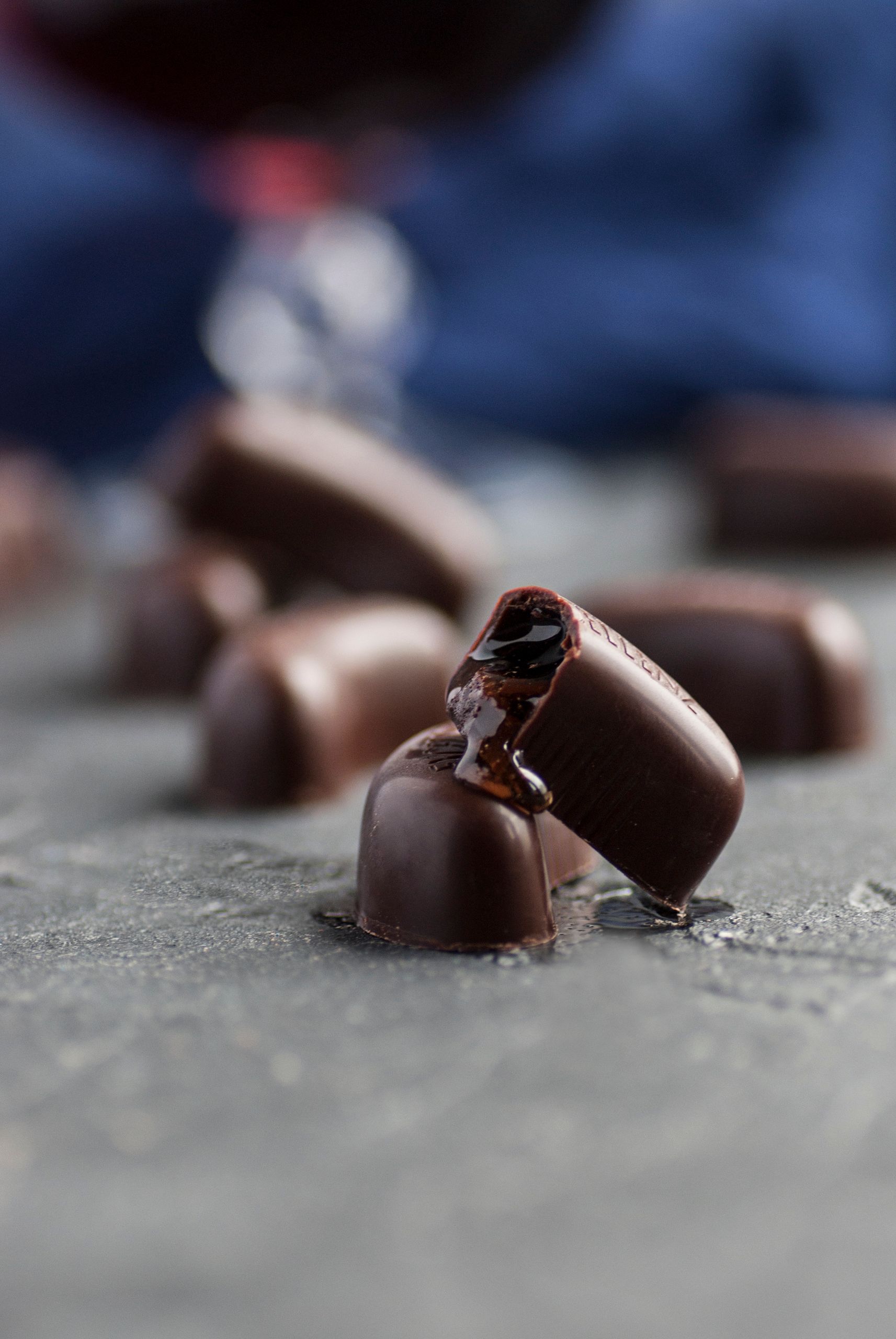
We had been in Brussels for less than an hour when I was stopped in my tracks by a chocolate praline I saw in a window. We’d wandered into the Galeries Royales Saint-Hubert, mostly because we were drawn in by the extraordinary 19th-century glass-vaulted arcade. From there, we ended up at the Neuhaus counter because it was impossible to walk past the display. The chocolate we bit into had a crisp outer shell and a filling that was so perfectly calibrated between sweet and bitter.
That’s Brussels chocolate. It’s not meant to be a souvenir for tourists (although I definitely took some home). Brussels chocolate is created from centuries of craft, codified into law, practiced daily by chocolatiers who treat their work with the seriousness that French chefs bring to sauces.
This self-guided walking tour takes you through six of the city’s finest chocolatiers, from the world-famous praline birthplace in the Galeries to a small, innovative shop in the Sainte-Catherine district where a chocolatier is doing some of the most interesting work in Brussels. We’ve done this route ourselves, chatted with locals, eaten more chocolate than was necessary, and emerged with a very strong set of opinions about which stops are worth your time and exactly what to order at each one.

Quick Answers
⏱️ Time needed: 3-4 hours, including tastings
🚶 Distance: ~3 km (1.86 miles) of easy walking
📍 Start / End: Pierre Marcolini at Grand Place → Laurent Gerbaud
🍫 Stops: 6 chocolatiers, from famous praline houses to local gems
💶 Budget: €3-8 per stop for tastings; €50-100 with gifts
🎟️ Reservations: None needed – go at your own pace
🕘 Best time: Weekday mornings, 9-11 AM
👨👩👧 Good to know: Kid-friendly and wheelchair accessible
Why Take a Brussels Chocolate Walking Tour?
Brussels boasts over 500 chocolate shops and countless chocolatiers who have perfected their craft over generations. A chocolate walking tour allows you to taste authentic Belgian chocolate while exploring the city’s historic streets, learning about chocolate-making traditions, and discovering neighborhoods you might otherwise miss.
Prefer a guided tour?
If you’d rather have an expert take you through the city’s chocolate history while you taste, the Brussels Chocolate Walking Tour with a Local Guide is excellent, the guide’s knowledge of Belgian chocolate history adds real depth, and they get you into some tasting experiences you can’t easily arrange independently. We’d recommend it for first-time visitors or anyone who wants the full story behind what they’re eating.
What Makes Brussels Chocolate Special?
Belgian chocolate’s quality is actually governed by the law. Belgian chocolatiers must use a minimum of 35% cocoa solids, and the tradition of bean-to-bar sourcing and in-house roasting that Brussels’ best chocolatiers practice goes significantly beyond that legal minimum. The city’s chocolate heritage dates to the 17th century, when cocoa arrived through Belgian trading ports, and the praline itself, which is the filled chocolate shell that defines Belgian confectionery, was invented here in Brussels in 1912 by Jean Neuhaus. So, it’s not just marketing that has caused Belgium chocolate to become so popular.
What separates the chocolatiers on this route from the tourist-trap shops that line the streets around Grand Place (and there are many of those) is commitment to freshness and craft. The best Brussels chocolate is made in small batches, contains no artificial preservatives, and is consumed within weeks rather than months of production. This is why buying chocolate here and taking it home is genuinely different from buying Belgian chocolate at an airport or a supermarket anywhere else in the world: what you’re eating is fresh in a way that packaged chocolate cannot be.
The Self-Guided Route: Overview
Total distance: Approximately 3 km (1.86 miles) Total time: 3-4 hours including tastings and exploration Starting point: Pierre Marcolini near Grand Place Best days: Weekday mornings for smallest crowds; Saturday if you want the Sablon antique market alongside Stop 3 Budget: €3-8 per stop for tastings; €50-100 if buying gifts or larger quantities
The route moves logically through Brussels’ historic center, starting at Grand Place → Galeries Royales → Sablon → Rue au Beurre → Manneken Pis area → Sainte-Catherine. Each leg takes 3-10 minutes of walking. The total route is flat and fully accessible.
Stop 1: Pierre Marcolini – Where the Tour Begins
Address: Rue des Minimes 1, 1000 Brussels
Walking time: This is the starting point of our tour
Must-try: Dark chocolate macarons, seasonal single-origin pralines
Pierre Marcolini is where you start because it sets the standard for everything that follows. Marcolini is one of a small number of Brussels chocolatiers who sources his cocoa beans directly from plantations. The chocolatier visits the farms personally, selects the harvest, and roasts the beans in-house. This bean-to-bar approach produces chocolate with a terroir-specificity that you can actually taste. A Ghana bar tastes different from an Ecuador bar tastes different from a Peru bar, in ways that become evident the moment you slow down and pay attention.
The Grand Place location has the most spectacular backdrop of any stop on this tour with the magnificent medieval square outside the window, one of the most beautiful public spaces in Europe, but Marcolini earns his position here on the chocolate alone, not the setting.
Order the dark chocolate macarons if they’re in season. Order whatever single-origin chocolate bar Marcolini has highlighted that week. Ask the staff which origin they’d personally recommend and take that advice seriously because they taste everything they sell (hmmm, should I try to get a job here?).
💡 Budget note: Marcolini is the most expensive stop on this route. A small box of pralines runs €15-25. It’s worth it as an investment in understanding what Belgian chocolate can be at its absolute best, and set this as your quality benchmark for everything that follows.

Stop 2: Neuhaus in the Galeries Royales Saint-Hubert
Address: Galerie de la Reine 25-27, 1000 Brussels
Walking time: 3 minutes from Pierre Marcolini
Must-try: Original pralines, Caprice and Tentation collections
The moment we stepped into the Galeries Royales Saint-Hubert, we were swept away by the elegance. We were impressed with the arched glass ceilings, the golden storefronts, and the specific quality of light that this 1847 arcade produces. But our actual destination was Neuhaus, and what you need to know about Neuhaus is that this is not merely a famous chocolatier. This is the place where the praline was invented
In 1912, while working in this same gallery, Jean Neuhaus Jr. created the first chocolate shell filled with cream and ganache, establishing the form that Belgian confectionery has been perfecting ever since. Eating a Neuhaus praline here, in the gallery where the whole thing began, is the closest thing this tour has to a genuinely historical act.
We sampled their Caprice and Tentation collections, and the balance of crisp shell and smooth, flavored filling is exactly what the praline is supposed to be! We stayed much longer than we meant to, admiring the rows of glossy chocolates.
❤️ For couples: The Galeries Royales Saint-Hubert is one of the most beautiful indoor spaces in Brussels. Take the time to walk its full length before or after Neuhaus. The architecture alone is worth twenty minutes of slow wandering.
Stop 3: Maison Dandoy on Rue au Beurre
Address: Rue au Beurre 31, 1000 Brussels
Walking time: 5 minutes from Neuhaus
Must-try: Speculoos, chocolate-covered biscuits, seasonal tin boxes
We followed the scent of warm spice and caramelized sugar down Rue au Beurre to Maison Dandoy which turned out to be Brussels’ temple of speculoos and the most distinctly Belgian non-chocolate stop on this route. Dandoy was established in 1829, and the shop still uses traditional wooden speculoos molds that are decades old, producing the spiced biscuits in shapes that haven’t changed in generations.
The speculoos here are fundamentally different from what you buy in supermarkets. They are crisp without being hard, deeply spiced with cinnamon and cardamom and a hint of something almost savory, and made with real butter in quantities that explain both the richness and the name of the street (Rue au Beurre aka Butter Street). The chocolate-covered versions are the crossover experience between Dandoy’s biscuit tradition and the tour’s chocolate focus.
This is also your best stop for edible souvenirs. The tin boxes of speculoos are beautiful, travel well, and cost a fraction of what a comparable gift box of chocolate would. We bought two tins and ate most of the contents on the flight home without regret.
Stop 4: Leonidas Near Manneken Pis
Address: Boulevard Anspach 46, 1000 Brussels
Walking time: 4 minutes from Wittamer
Must-try: Fresh pralines, seasonal collections
Leonidas is the most accessible chocolatier on this tour because they are not only present across Belgium but they are also internationally recognizable. If the earlier stops represent what Belgian chocolate can achieve at its most artisanal and specialized, Leonidas represents what it looks like when genuine craft scales to a broader audience without compromising on the fundamentals.
Their pralines are made fresh daily, contain no preservatives, and use real Belgian chocolate. They follow the same quality standards the smaller chocolatiers maintain, at prices that make gift-buying for a large group financially realistic. The variety is impressive, with over 100 praline types in rotation, and seasonal specials that reflect the Belgian confectionery calendar.
The Manneken Pis location also gives you the most famous landmark in Brussels right outside the door. It’s worth a brief stop, though we’d note that the actual statue is considerably smaller than most people imagine and typically surrounded by tourists. Manage expectations accordingly.
💡 For gift-buyers: If you’re purchasing chocolate for a group back home, this is the most cost-effective stop of quality. A large box of mixed pralines runs €15–20 and represents genuinely excellent value for what you’re getting.
Stop 5: Wittamer in the Sablon District
Address: Place du Grand Sablon 6, 1000 Brussels
Walking time: 8 minutes from Manneken Pis
Must-try: Seasonal macarons, caramel ganache, holiday chocolate sculptures (if available)
The moment we reached the Sablon district, we knew we were in for something special. It’s quieter here, and a little bit more refined, so Wittamer fits right in. This family-owned chocolatier has been crafting chocolates for the Belgian royal family for generations, and honestly, it feels like stepping into a palace of sweets.
We tried their seasonal macarons and a glossy caramel ganache that practically dissolved on contact. It was a different experience from Marcolini’s intensity, a bit more approachable, with a sweetness that still managed to be sophisticated. Outside, the weekend antique market was setting up around the square. Between bites, we browsed vintage postcards and silver trinkets from the neighboring stalls.
This is the stop most suited to a long stay. Buy something beautiful, find a bench in the Sablon square, and watch one of Brussels’ most elegant neighborhoods go about its day.
📍 Local insight: The Sablon weekend antique market (Saturdays 9:00 a.m.-6:00 p.m., Sundays 9:00 a.m.-2:00 p.m.) surrounds Wittamer’s terrace and turns this stop into a full cultural experience. If your visit falls on a weekend, plan an extra 30-45 minutes here.
Stop 6: Laurent Gerbaud in Sainte-Catherine
Address: Rue Ravenstein 2D, 1000 Brussels
Walking time: 10 minutes from Wittamer
Must-try: Exotic flavor combinations, single-origin dark chocolates, the tasting corner
We ended our tour on a note of genuine surprise, which is exactly the right way to end any Belgium chocolate tour. Laurent Gerbaud is where classic Belgian chocolate meets global culinary curiosity. It’s a shop that feels modern and confident in a way that the heritage chocolatiers, for all their excellence, don’t quite achieve.
Gerbaud spent years working in China and Japan before returning to Brussels, and that international perspective shows in all of their work, such as a dark chocolate truffle infused with yuzu, another spiced with Jamaican pepper, or a ganache built around Vietnamese coffee. Each combination is unexpected and each one works. These are thought-through flavor constructions where the chocolate and the secondary ingredient enhance wonderfully.
We sat in the cozy tasting corner with fresh iced coffee and a hand-picked chocolate pairing. The staff are passionate about explaining what’s behind each flavor, and the small, bright shop feels like the work of someone who is genuinely still excited about what they make.
If you’re a chocolate traditionalist, you may find Wittamer or Neuhaus more satisfying. If you’re the kind of person who wants to know what excellent Belgian chocolate can do when it’s pushed somewhere unexpected, Laurent Gerbaud is the answer.

Hidden Gem Detour: Mary Chocolatier
** This additional gem fits in best between stop 3 and 4 (Maison Dandoy and Manneken Pis)
Address: Rue Royale 73, 1000 Brussels
Best as: A detour between Wittamer and Dandoy, or a standalone stop if time allows
Mary Chocolatier holds the Royal Warrant and is genuinely beloved by Brussels locals in the specific way that the most famous names sometimes aren’t. Mary is simply a very good chocolatier making exceptional ganaches in a beautiful shop on Rue Royale, and the locals know it.
The ganaches here are the thing. They are more delicate in texture than most Brussels pralines, built on cream-forward bases with flavors that are classical rather than innovative. Raspberry. Bergamot. Champagne. Each one tastes like it was made by someone for whom this specific ganache is the only thing that matters.
It’s a slight detour from the main route but one we’d make on every visit.
My Brussels Chocolate Awards
My Brussels Chocolate Awards
🏆 Best Overall Chocolate: Pierre Marcolini
💕 Most Romantic Stop: Neuhaus
🎁 Best Chocolate Gift: Leonidas
🤯 Biggest Surprise: Laurent Gerbaud
☕ Best Place to Linger: Wittamer
💰 Best Value: Maison Dandoy
Extending the Experience: Workshops & Museums
Planète Chocolat
Planète Chocolat (Rue du Lombard 24) offers hands-on chocolate-making workshops alongside retail sales. This is a genuinely excellent experience if you want to understand how Belgian chocolate is made rather than just how it tastes. Book in advance, especially on weekends.
Choco-Story Brussels
The Choco-Story Brussels museum offers interactive exhibits on chocolate history from Mesoamerican origins through the Belgian praline invention. Good for children and for adults who want the full historical context before or after the tasting route.
Belgian Chocolate Village
The Belgian Chocolate Village combines a museum with a working Belcolade chocolate factory tour and tasting. Located slightly outside the center but worth the trip for serious chocolate enthusiasts.
Practical Tips for Your Brussels Chocolate Tour
Best time to visit:
Weekday mornings (9:00-11:00 a.m.) for freshest stock and smallest crowds. Most chocolatiers briefly close 12:00-2:00 p.m. for lunch. If visiting on a weekend, aim to reach Wittamer early enough to enjoy the Sablon antique market.
What to Bring:
- Comfortable walking shoes (total distance: approximately 3km/1.86 miles)
- Small cooler bag for purchases (Belgian chocolate melts easily)
- Cash (some smaller chocolatiers prefer cash payments)
- A genuine appetite: don’t eat a large meal before starting
Pacing yourself:
Belgian chocolate is rich. We’d recommend taking small tastings at each stop rather than buying large quantities early in the route. The chocolate compounds and you’ll be less appreciative of Laurent Gerbaud’s yuzu truffle if you’ve eaten six Neuhaus pralines in the previous hour.
Getting there:
- Metro to Central Station (1-minute walk to Grand Place)
- Train to Brussels Central Station (3-minute walk)
- Multiple bus lines stop at Grand Place
Accessibility:
Most stops are accessible, but Brussels’ historic streets include cobblestones and older buildings, so travelers with mobility concerns should confirm individual shop access. Public restrooms are available at Grand Place and in the Sablon district.

Seasonal Guide: When to Come
Spring (March–May): Easter chocolate season – the displays become extraordinary, with elaborate egg constructions and seasonal pralines. Mild walking temperatures. This is one of the best times for the tour.
Summer (June–August): Extended daylight and the most tourist activity. Bring an insulated bag because Belgian chocolate melts quickly above 25°C. Start early (before 10:00 a.m.) to beat both the heat and the crowds.
Autumn (September–November): Our personal favorite window with comfortable temperatures, beautiful shop-window displays reflecting the season, and the Sablon market at its most atmospheric. Fewer tourists than summer.
Winter (December–February): Christmas chocolate season transforms every stop: window displays become theatrical, seasonal collections feature elaborate holiday-themed creations, and the warmth of the chocolate shops against the cold outside creates a wonderful chocolate tour atmosphere. The crowds can be significant in December around the Christmas markets, so visit on a weekday if possible.
What I’d Change About My Brussels Chocolate Tour (when we last did it)
First of all, I would start earlier, with a route in mind. I am hoping this blog post can help you, or at least take out the part of resarching and planning your route. We happened on our tour by accident. We didn’t start until midway through the afternoon. We had just arrived after taking the train from London.
Secondly, we ate too much before we started the tour. We didn’t really have breakfast, so we were overly hungry and had a large lunch right before we started our tour. Next time I will start the tour in the morning, after eating a light breakfast.
We also purchased a few gifts along the way. I would recommend trying to save that for the end of your tour, or bring a small bag. By the end our our tour, we had several bags, most of which I almost lost several times by putting them down in different stops. Additionally, by the time we left Brussels a few days later, we almost ate all of our gifts… so next time we are either going to purchase them shortly before we leave Brussels.

FAQs: Brussels Chocolate Tour
How long does the self-guided tour take?
Plan 3-4 hours for the full route including tastings, shopping, and time to appreciate each stop’s atmosphere. You can stretch it into a full afternoon by adding the Sablon antique market, a museum visit, or a longer stop at Laurent Gerbaud’s tasting corner. You can make it shorter if you don’t spend much time wandering or tasting. The walking distance is approximately 3 km on flat ground.
Should I do a self-guided or guided tour?
Both are excellent buf for different reasons. The self-guided route in this post gives you complete flexibility: you go at your own pace, spend as long as you want at each stop, and can adapt based on what you find most interesting. A guided tour with a local expert adds the historical narrative that makes the chocolate taste more meaningful and help with understanding why the praline was invented here in 1912, what distinguishes Belgian quality standards from other countries’ approaches, and getting access to tasting experiences that aren’t on the regular retail menu. We’d suggest the self-guided route for independent travelers and repeat Brussels visitors; the guided tour for first-time visitors who want the full story.
Is this tour suitable for children?
Very much so. Many chocolatiers offer fun shapes and mild flavors that work well for children, and the walking distance (3 km on flat ground) is manageable for most ages. The Planète Chocolat workshop (a detour from the main route) is particularly good for children who want to participate in making rather than just tasting.
Do any stops require advance booking?
No stops on the main route require booking. They are all are retail shops that welcome walk-ins. If you want to add a workshop (Planète Chocolat) or museum (Choco-Story), book those in advance, particularly on weekends and during school holidays.
Are there vegan or dairy-free options on the route?
Some chocolatiers offer limited vegan options, particularly at Laurent Gerbaud, which tends to have more dietary-aware preparations. Ask at each stop since the staff are knowledgeable and will tell you honestly what’s available. The options vary significantly by season and current production.
What’s the best way to transport chocolate home?
Belgian chocolate doesn’t contain preservatives, which is part of what makes it excellent and part of what makes transport tricky. For same-day purchases: an insulated bag is essential in warm weather. For flying home, pack chocolate in your checked luggage (cooler in the hold) rather than carry-on, and consume or refrigerate within 2-3 weeks of purchase. Most chocolatiers can also arrange international shipping for larger purchases.
What’s the difference between the tourist chocolate shops near Grand Place and the stops on this route?
Many of the tourist-focused chocolate shops around Grand Place prioritize convenience and souvenirs over small-batch craftsmanship. They’re trading on Belgium’s chocolate reputation rather than embodying it. The chocolatiers on this route, Marcolini, Neuhaus, Wittamer, Laurent Gerbaud, and Mary, produce small-batch, preservative-free chocolate made by people who have spent their careers on the craft. The price difference is real and the quality difference is more real.
Wrapping Things Up: DYI Chocolate Tour Through Brussels
This Brussels chocolate walking tour guide combines the city’s finest chocolatiers with historic neighborhoods, cultural landmarks, and local insights. Whether you’re a chocolate connoisseur or casual sweet tooth, Brussels offers an unparalleled chocolate experience that reflects centuries of Belgian craftsmanship and innovation.
Remember to pace yourself-Belgian chocolate is rich and satisfying. Take time to savor each tasting, appreciate the artistry behind each praline, and enjoy the beautiful Brussels streets that connect these chocolate temples.
Total tour: 3–4 hours | Approximately 3 km | Easy walking on flat ground
More from Wandering Everywhere on Belgium and Europe:
Ready to embark on your Brussels chocolate walking tour? Start planning your sweet adventure through Belgium’s chocolate capital today!
Are you looking for a custom itinerary plan for your trip? Fill out the form below:
