

How to Plan a Lisbon & Algarve Trip: A Complete Portugal Itinerary for First-Time Visitors
Why Lisbon and the Algarve Are the Perfect First Trip to Portugal
Portugal is one of the easiest countries in Europe to plan, but that doesn’t mean most travelers get it right.
The biggest mistake first-time visitors make is trying to see too much too quickly, often adding extra cities or changing hotels every night. A Lisbon + Algarve itinerary works because it simplifies decisions without sacrificing variety.
Lisbon provides culture, history, and food in a compact, walkable setting. The Algarve offers a beautiful coastline that contrasts naturally with the city. When planned thoughtfully, this pairing delivers a great balance.

Many first-time trips to Portugal feel rushed. This is not because the country is difficult, but because travelers try to see too much too quickly. On my first trip to Portugal, I definitely fell into that category. Lisbon and the Algarve are often paired together, yet rarely planned with enough breathing room. If you have time available, take it!
When done right, you can enjoy a few days of city wandering followed by time on the coast, without constant packing or long travel days. This guide helps you to focus on that.
Updated for current travel planning considerations.
Wandering Everywhere contains affiliate links and is a member of Amazon Services LLC Associates Program. If you make a purchase using one of our links, we may receive compensation from the company at no additional cost to you. Read our disclaimer here.

Why This Lisbon + Algarve Itinerary Works So Well
This Lisbon and Algarve itinerary is paced so you can actually relax and take things in. There’s time to explore, but also time to slow down and enjoy the beautiful Portugal scenery.
Minimal hotel changes
Staying in one base in Lisbon and one base in the Algarve reduces packing, transit stress, and wasted time. This allows you to really settle into each destination.
Logical north-to-south flow
Starting in Lisbon and continuing south to the Algarve follows Portugal’s natural geography, making travel between regions straightforward and efficient.
Built-in recovery time
The itinerary leaves room for some time to explore without a fixed plan, which is key to enjoying both the city and the coast without feeling worn out.
Works for different travel styles
Whether you’re traveling as a couple, solo, or with a group, this structure adapts easily without requiring constant schedule changes.
>>This guide is meant to be saved and referenced as you plan, not followed rigidly day by day.

How Many Days You Need for a Lisbon and Algarve Itinerary
For most travelers, 7 to 10 days is the ideal amount of time to experience both regions without rushing.
- Lisbon: 3–4 days
- Algarve: 3–5 days
- Optional buffer: 1–2 days for travel traveling and sight seeing
Shorter trips are possible, but attempting to do both regions in under a week often leads to unnecessary transit stress and a fragmented experience.
Step 1: Start Your Portugal Trip in Lisbon
Lisbon works best as the starting point for international arrivals. The city is compact, well connected, and easy to navigate, which makes it an ideal place to ease into Portugal before continuing south to the Algarve.
Rather than trying to see everything at once, plan to spend your time:
- Exploring central neighborhoods like Baixa, Chiado, and Alfama
- Planning enough time to enjoy your meals
- Leaving room for wandering without a fixed plan
Lisbon’s walkability and public transportation make it easy to get around without a car, especially if you stay in a central area.

How Many Days to Spend in Lisbon
For most first-time visitors, three to four days in Lisbon provides a comfortable introduction. This allows enough time to explore the historic neighborhoods, enjoy the food scene, and take in Portugal’s wonderful viewpoints, without overloading each day.
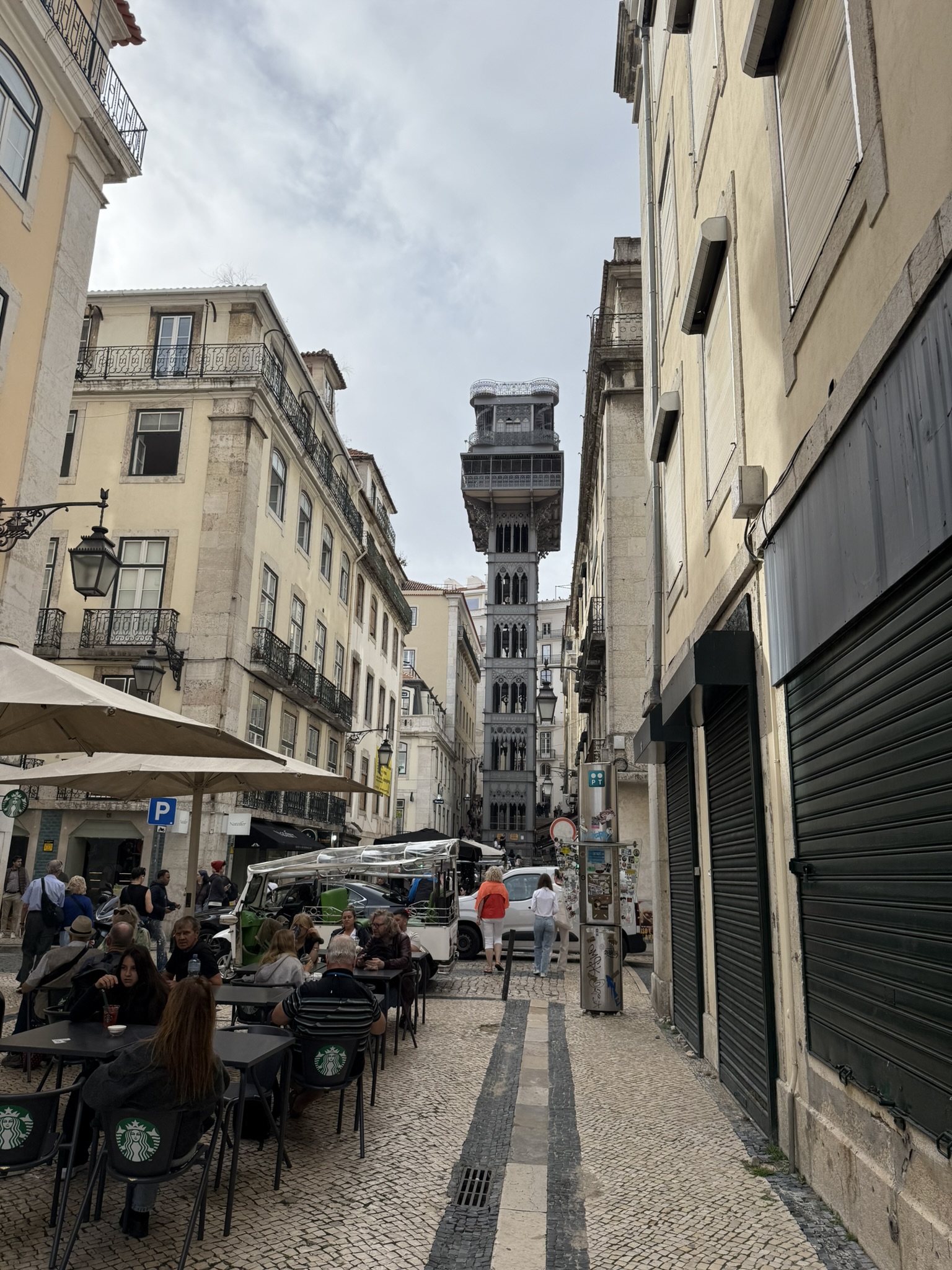
While there are plenty of attractions to visit in Lisbon, the city’s character is best absorbed by wandering through its neighborhoods. Moving between Alfama’s narrow streets and Chiado’s cafés, takes less time than expected, making it easy to build flexible days around one or two anchor plans.
Best Areas to Stay in Lisbon for First-Time Visitors
Where you stay in Lisbon has a noticeable impact on how you perceive the city. Many travelers underestimate the hills, which become more noticeable after full days on foot. Staying centrally reduces uphill walking and cuts down on transit time between neighborhoods.
For a first visit, areas like Baixa, Chiado, and nearby parts of Príncipe Real offer the best balance of walkability, access to public transportation, and proximity to major sights and restaurants. Well-located hotels in Lisbon make exploring on foot much easier, especially when you’re navigating hills and historic neighborhoods.
Step 2: Choose the Best Place to Stay in the Algarve
The Algarve is not a single destination but a long coastal region, and choosing the right base has a major impact on how your time there feels. Towns may look close on a map, but travel between them often takes longer than expected. When planning, make sure you factor in narrow roads, parking, and seasonal traffic.
For most first-time visitors, staying in one location and exploring outward is far more relaxing than moving hotels every few nights. The key is aligning your base with the areas you most want to visit, rather than trying to cover the entire coastline.

Best Algarve Towns for First-Time Visitors
Each Algarve town offers a different experience, and none are inherently “better” than the others, they’re simply suited to different priorities.
- Lagos
The most well-rounded choice for first-time visitors. Lagos offers dramatic cliffs, beaches within walking distance, a lively but manageable town center, with easy access to boat tours and coastal walks. - Carvoeiro
Carvoeiro is smaller and quieter, with a scenic village feel. It works well for couples or travelers who enjoy a more relaxed way of traveling, while staying close to coastal viewpoints and beaches. - Tavira
Calmer and less resort-driven, with a more traditional atmosphere. Tavira works well for longer stays, especially if you’d rather stay put and enjoy one area instead of beach hopping. - Albufeira
More resort-oriented and nightlife-focused. While popular, it’s generally better suited to travelers specifically looking for an energetic, party-forward experience. If you aren’t necessarily looking for that type of experience but are visiting outside of the summer, Albufeira can be a good place to stay because the crowds and nightlife simmer down.
For most itineraries, Lagos or Carvoeiro strike the best balance between scenery, accessibility, and atmosphere.
Lagos vs Carvoeiro vs Tavira: Which Is Right for You?
If you’re deciding between the most popular places to stay, the choice should come down to how you want to spend your time.
Lagos is ideal if you want a mix of coastal scenery, activities, and a walkable town with plenty of dining options. Carvoeiro suits travelers who prefer quieter evenings, scenic surroundings, and a more relaxation. Tavira appeals to those looking for a more local-feeling stay, especially outside peak summer months.
Making one of these towns your home base, then planning short day trips, rather than changing hotels, makes it easier to enjoy the Algarve without constant packing or long drives.
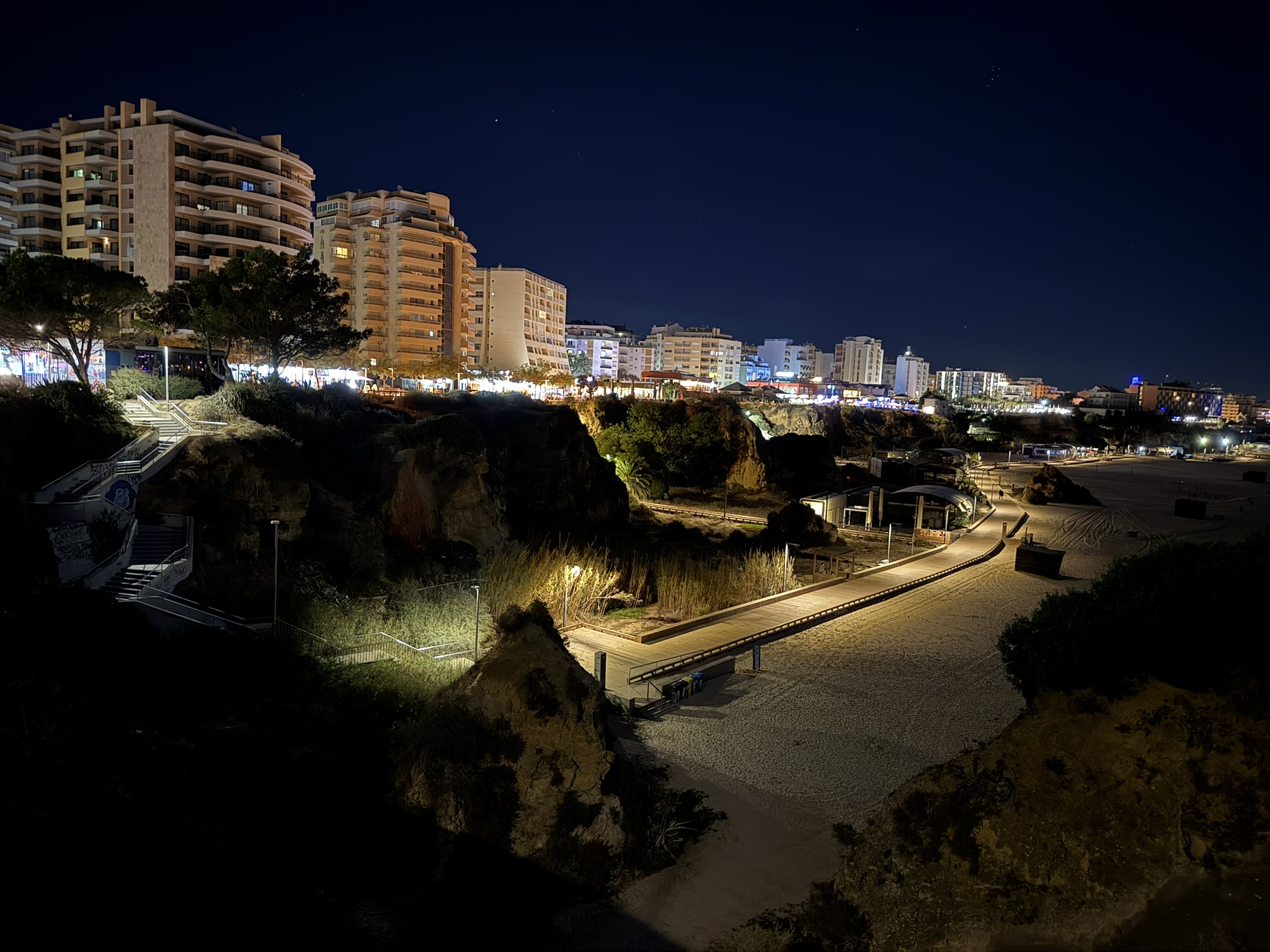
Hotels in Lagos offer easy access to beaches, boat tours, and coastal walks, making them a convenient base for first-time visitors.
Step 3: How to Travel Between Lisbon and the Algarve
There are several ways to travel between Lisbon and the Algarve. Not all options are equally efficient once timing and logistics are considered. The best choice depends on how much flexibility you want once you arrive in the south, not just how quickly you can get there.
For most first-time itineraries, keeping the journey simple and separating city travel from coastal exploration leads to the smoothest experience.
Taking the Train from Lisbon to the Algarve
The train is the most common and straightforward way to travel from Lisbon to the Algarve. Trains are comfortable, affordable, and remove the stress of driving out of the city.
Most routes take around three hours and arrive in Faro, the Algarve’s main transportation hub. From there, you can connect easily to other towns by regional train, bus, or car rental. For travelers who don’t want to drive in Lisbon, this option keeps the transition between regions simple and predictable.
Renting a Car for Your Algarve Trip
While a car isn’t necessary in Lisbon, it becomes much more useful once you reach the Algarve. Many beaches, viewpoints, and coastal walks are spread out and not always convenient to access by public transportation. A good option is planning on picking up your car rental on your way out of Lisbon.
A second reasonable option for renting a car is picking it up after arriving in the Algarve, rather than in Lisbon. This allows you to avoids city driving while still giving you flexibility along the coast. Parking, narrow streets, and traffic make cars more of a burden in Lisbon, whereas in the Algarve they allow you to explore at your own pace without long transfers or fixed schedules.
Is Flying Between Lisbon and Faro Worth It?
Flights between Lisbon and Faro do exist, but they rarely save much time. Once airport transfers, security lines, and baggage collection are factored in, flying often takes just as long, if not longer, than traveling by car or train.
For most travelers, the added complexity of flying outweighs any perceived time savings, especially when trains place you directly in central Faro rather than outside the city.
What Works Best for Most Travelers
For the majority of Lisbon–Algarve itineraries, taking the train south and renting a car once you arrive offers the best balance of simplicity and flexibility. This approach keeps city logistics manageable while still allowing you to explore the Algarve’s coastline comfortably.
Renting a car in the Algarve makes exploring the coastline significantly easier, especially if you plan to visit multiple beaches or towns.

Step 4: How to Plan Your Algarve Itinerary Without Rushing
The Algarve is best enjoyed when the focus shifts from covering distance to spending time in a place. Instead of trying to see every beach along the coast, plan a trip around visiting fewer locations.
A more relaxed Algarve itinerary typically centers on:
- One or two coastal areas instead of changing locations daily
- Short walks or hikes along the cliffs, rather than full-day excursions
- Time near the water without the pressure to keep moving
This approach makes it easier to appreciate the scale of the coastline and avoids the fatigue and frustration that comes from constant driving and parking.
How to Explore the Algarve Coast Efficiently
Some of the Algarve’s most dramatic scenery is best seen from the water or on foot, not from a car. Boat tours and coastal walks often reveal perspectives that are difficult to access independently, especially along sections of cliffs and sea caves. Choose a small number of experiences that show the coastline from different angles, instead of just hopping between beaches. This reduces travel time while still providing variety and allowing you to really see the Algarve region.
Best Ways to Experience the Algarve Beyond the Beaches
While beaches are the Algarve’s main draw, the region also lends itself to experience-based activities. Kayaking along the cliffs allows access to sea caves and quieter coves, while guided coastal excursions provide insight into areas that are harder to reach on your own.
These activities often become highlights of the trip because they combine scenery and hard to visit spots, without requiring constant relocation.
Coastal boat tours offer a different view of the Algarve’s cliffs, especially in areas that are difficult to access by land.

Step 5: Best Time to Visit Lisbon and the Algarve
Timing plays a major role in how a Lisbon and Algarve trip feels. While Portugal is a year-round destination, not all seasons offer the same experience, particularly if you’re trying to combine both regions in one itinerary.
Best Months for a Lisbon and Algarve Trip
For most travelers, late spring and early fall offer the best overall experience.
- April–May
Mild temperatures, fewer crowds, and good conditions for sightseeing in Lisbon and coastal walks in the Algarve. - September–October
Warm seas, long days, and a more relaxed atmosphere after peak summer crowds disperse. This is one of the most balanced times to visit both regions.
These shoulder-season months make it easier to enjoy Lisbon’s neighborhoods and the Algarve’s coastline without adjusting plans around extreme heat or crowds.
When to Avoid Crowds in Portugal
Summer (June–August)
Summer brings warm water and long daylight hours, but also higher prices and heavier crowds, particularly in the Algarve’s most popular towns and beaches. Lisbon can feel noticeably busier and hotter during this period.
Winter (November–March)
Winter is quieter and often scenic, especially in Lisbon, but beach conditions in the Algarve are limited. This season suits travelers focused more on cities and walking rather then swimming in the ocean.
What Works Best for a Combined Trip
If your itinerary includes both Lisbon and the Algarve, spring and early fall provide the best balance of weather, pricing, and crowd levels. These seasons allow you to enjoy outdoor time in both regions without needing to plan around peak heat, packed beaches, or limited accommodation availability.

Step 6: What a Lisbon and Algarve Trip Costs
Portugal is often considered one of Western Europe’s more affordable destinations. However, costs can vary noticeably depending on season, location, and travel style. Understanding where you’re likely to spend more, and where value is strongest, makes it easier to plan realistically.
Understanding how costs differ between Lisbon and the Algarve and how timing affects prices is more helpful then thinking about a strict daily budget.
Accommodation Costs in Lisbon vs the Algarve
- Lisbon
Accommodation prices in Lisbon are moderate by European city standards, especially given the quality of hotels and short-term rentals available. Staying centrally may cost more upfront but often saves money on transportation and time. - Algarve
Coastal accommodations tend to be more expensive, particularly in peak summer months and in towns close to popular beaches. Prices drop noticeably outside of July and August, especially in quieter towns like Carvoeiro or Tavira.
Booking accommodations early, particularly for spring, summer, and early fall, helps keep options flexible and prices reasonable.
On our last trip to the Algarve region, we got an excellent rate at the Grande Real Santa Eulalia Resort & Hotel Spa, with an ocean view room, because we visited at the end of October.
Food, Transportation, and Daily Expenses
- Food
Portugal offers strong value when it comes to dining. Casual meals, bakeries, and local restaurants remain affordable, while higher-end dining is often less expensive than in comparable European destinations. - Transportation
Trains between Lisbon and the Algarve are affordable, and fuel costs are reasonable by European standards. Renting a car in the Algarve adds expense but often saves time and simplifies logistics. You may be able to get cheaper train tickets, if you book them well in advance of your trip. - Activities
Many highlights such as viewpoints, beaches, walking neighborhoods, are free. Paid activities like boat tours or kayaking are optional but can add value without dramatically increasing overall costs.
How to Manage Costs Without Sacrificing Experience
A Lisbon and Algarve trip doesn’t require cutting corners to stay within budget. Traveling outside peak summer, booking accommodations in advance, and limiting hotel changes often have a bigger impact on cost than skipping experiences.
Focusing on fewer bases, using public transportation where practical, and choosing experiences selectively helps keep spending aligned with your budget.

Step 7: Common Mistakes to Avoid When Planning a Portugal Trip
Many first-time trips to Portugal feel more hectic than necessary. Avoiding a few common mistakes can make the difference between a trip that feels rushed and one that feels balanced.
Trying to Cover Too Much Ground
Portugal may look compact on a map, but travel time between regions and towns adds up quickly. Packing too many destinations into a single itinerary often leads to long transit days and limited time to actually enjoy each place.
Focusing on Lisbon and one Algarve base is a great starting point. It takes longer to get between towns in the Algarve region then you think it does.
Changing Hotels Too Frequently
Changing accommodations every few nights often makes a trip feel more complicated than it needs to be. Each move requires packing, checking out, traveling, and reorienting which takes time that could be spent exploring or relaxing.
Staying in one place in Lisbon and one place in the Algarve simplifies planning and helps days feel less fragmented.
Treating the Algarve as a Single Town
The Algarve is a region, not a single destination. Beaches, towns, and viewpoints are spread across the coastline, and choosing the wrong base can lead to long drives and frustration.
Understanding the differences between towns and selecting one that matches your travel style is more effective than trying to see everything.
Over-Scheduling Every Day
Filling each day with back-to-back plans leaves little room for spontaneity, rest, or adjusting to weather and energy levels. Building flexibility into the itinerary often improves the experience.
Why Avoiding These Mistakes Matters
Portugal is easy to enjoy when the trip is planned with restraint (especially travelers, like myself, who want to see EVERYTHING!). Thoughtful plans for each day that allow plenty of time to explore and enjoy and realistic expectations create a smoother experience.

Practical Planning Tips for a Lisbon and Algarve Trip
A Lisbon and Algarve trip works best when it’s treated as two complementary experiences, not a single checklist to complete. Lisbon is well suited to walking and spontaneous exploration, while the Algarve is better enjoyed with flexible plans and relaxed days by the coast.
A few practical choices can make the trip feel noticeably smoother:
- Comfortable walking shoes, especially for Lisbon’s hills and cobblestone streets
- Booking accommodations in advance, particularly during spring, summer, and early fall
- Leaving room in your schedule rather than planning every hour

Lisbon and Algarve Trip Planning FAQs
Is 7 days enough for Lisbon and the Algarve?
Seven days works if the trip is paced carefully, with roughly three days in Lisbon and three to four days in the Algarve. Shorter trips often feel rushed, mostly due to travel time.
Should I rent a car for the entire trip?
Most travelers do not need a car in Lisbon. Renting a car only for the Algarve portion reduces stress and improves flexibility.
Can I visit the Algarve as a day trip from Lisbon?
While technically possible, it is not recommended. On a day trip, the travel distance and pace you’d have to get through the Algarve region diminish the experience significantly.
Is the Algarve only for beach trips?
No. Coastal hikes, boat tours, historic towns, and scenic drives make the Algarve appealing even outside peak beach season.
Final Thoughts: Is a Lisbon and Algarve Itinerary Right for You?
A Lisbon and Algarve trip is better when you don’t try to do too much at once. Treating the city and the coast as two distinct experiences allows each to shine without competing for time or energy.
This itinerary isn’t meant to cover everything. It leaves room for good meals, time outdoors, and the kind of moments you don’t plan ahead. By limiting hotel changes, choosing a thoughtful base in the Algarve, and allowing flexibility between regions, the trip feels cohesive rather than rushed.
If you’re planning your first visit to Portugal, this approach often works best for most travelers. This plan makes it easier to adapt the trip to your travel style, season, and priorities. When you don’t try to rush or turn it into a checklist, combining Lisbon and the Algarve becomes not just doable, but genuinely enjoyable.
Related Posts:
>>Where to Stay in Lisbon (First-Time Visitors): Best Areas, Hotels & Tips
>>Is Lisbon Worth Visiting? What First-Time Visitors Should Know
